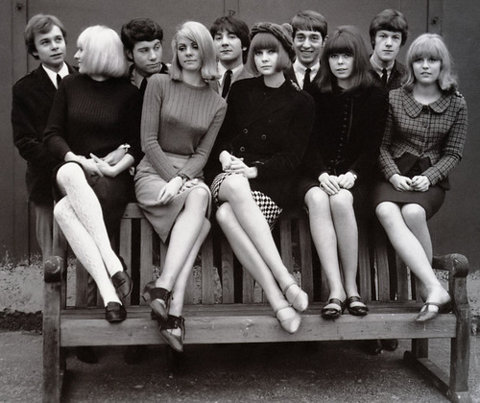
1940s, 1950s, 1960s, 1970s, caftan, history

The History of the Caftan

When you think of a caftan, you might immediately visualize Elizabeth Taylor swooning around in her beautifully flowing silk robes, or your mind may float its way to the 1970s and Bea Arthur in Maud, or even Mrs. Roper for the 1977 – 1984 sitcom Three’s Company. The caftan has recently experienced a resurgence in popularity, partly due to the Tiki Community, as well as vintage reproduction sewists who have been scooping up caftan sewing patterns. Social media is abuzz with the stylish, loungeworthy garments! I even have plans to make one or two myself. The caftan, however, isn’t a modern invention; it has a long, rich history that goes beyond the 1970s. If you want to find out more about the Caftan, watch this video.

What is a caftan/kaftan?

Before we dive into the history of the caftan, I wanted to explain why I am doing these types of videos. In today’s culture, we wear garments based on other cultures, and there is an important history behind these garments. If we’re going to wear or design clothing based on any of this, we must understand the history of that particular culture. The vintage and vintage reproduction community embraces historical clothing and costumes, and sometimes we are so excited about finding a vintage piece or a pattern to replicate that we tend to forget its origins. I think it is really important to understand this. Right now, the caftan has made a massive resurgence, and this is partly due to the tiki community. As well, we’re now seeing a lot of people scooping up old caftan sewing patterns, and modern designers are recreating the patterns so everyone can access them. I think this is wonderful, but this is an example of what I just mentioned. We need to understand where it all began.

I also want to mention this is not going to be a super in-depth history lesson about the caftan. I wanted to give you a brief history before we talk about modern looks and where you can find resources and ways to recreate the caftan. I have been intrigued for a very long time about this garment, and I have waffled back and forth about doing a more in-depth series specifically about the different cultures and eras that have worn the caftan. If this is something that is of interest, please let me know when I can do a multipart series about the history of the caftan.

Now on to the history.

A caftan is a garment whose design is a variation of a robe or tunic. I’ll get a little more in-depth about where it possibly originated, but the general knowledge of the caftan is that it originated in Asia, and it’s been worn by many different cultures around the world for thousands of years. Some cultures also have slight variations on the caftan.

A caftan can be made in a variety of different fabrics, including wool, cashmere, silk, or cotton, and most of the time it is either worn with a sash or it has a sash built into the garment. It can be made with a plain fabric or it can be incredibly elaborate with beading, sequins, and embroidery. Plainer fabric caftans would normally be worn by everyday people, and ones that are much more elaborate would usually be worn by heads of state or royalty. 
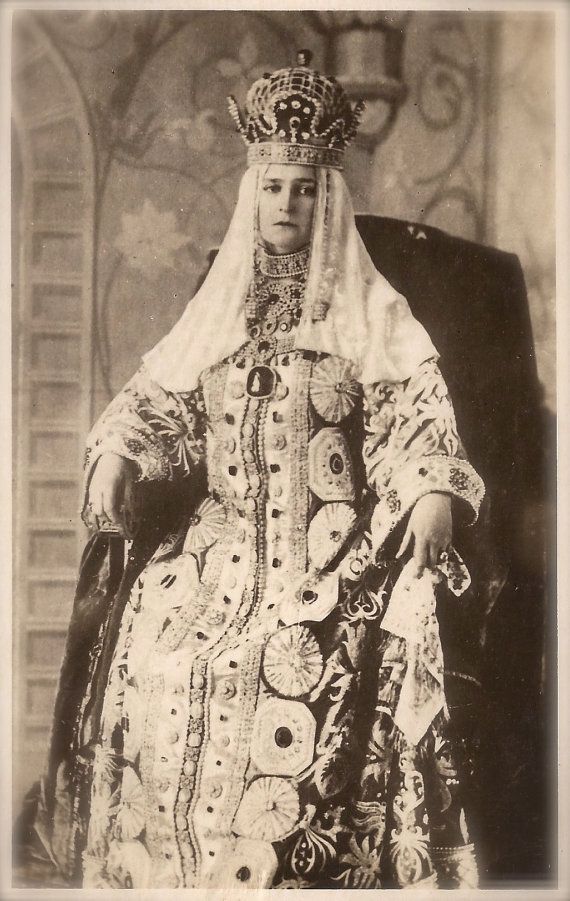
In some cases, it would be worn as a day-to-day garment, and in other cases, it would be a coat or part of an entire ensemble. Most would also be floor length as opposed to some more modern ones, where they are just below the knee. But in almost all cases, they would be flowing and very loose-fitting for comfort.

Now that we know a little bit more about what exactly a caftan is, let’s talk about where it all began. 

Every piece of clothing you wear has a history, inspired by another garment of our past, whether it be a more recent past or centuries ago. The caftan is one of these garments and is much older than you might imagine. There has also been a lot of discussion around exactly where the true origins of the caftan come from. Some believe it is based on the Japanese kimono, while others argue that the original caftan is based on the caftan worn in the 830s, Byzantine Empire. When you look at today’s caftans, they resemble more of a Middle Eastern style caftan as opposed to the kimono; however, I do see why you would think it comes from one or the other.

The caftan wasn’t just worn in Japan or the Middle East; many other cultures also embraced this beautiful, flowing garment. The history of the caftan can be seen in Africa, Asia, and Russia.

From my research, the earliest version of the caftan seems to have been worn in 830 in the Byzantine Empire, as I mentioned above. The caftan was and still is incredibly popular in hot climates, due to its breathability and flowing fabrics. You could cover up from the sun and remain somewhat cool.
Another incredibly interesting part of the caftan history is that it appears to be the oldest Turkish dress. It can be traced as far back as the Hun, the Ottomans, and the Göktürks periods. These garments can also be found in some Hun tombs as well.

Many of these garments were manufactured from fabrics made in places such as Istanbul and Bursa, but some of those fabrics even came as far away as Venice, Genoa, Persia, India, and sometimes even China. I can only imagine how stunning these fabrics would be and what the completed caftans would look like. They would be breathtaking.

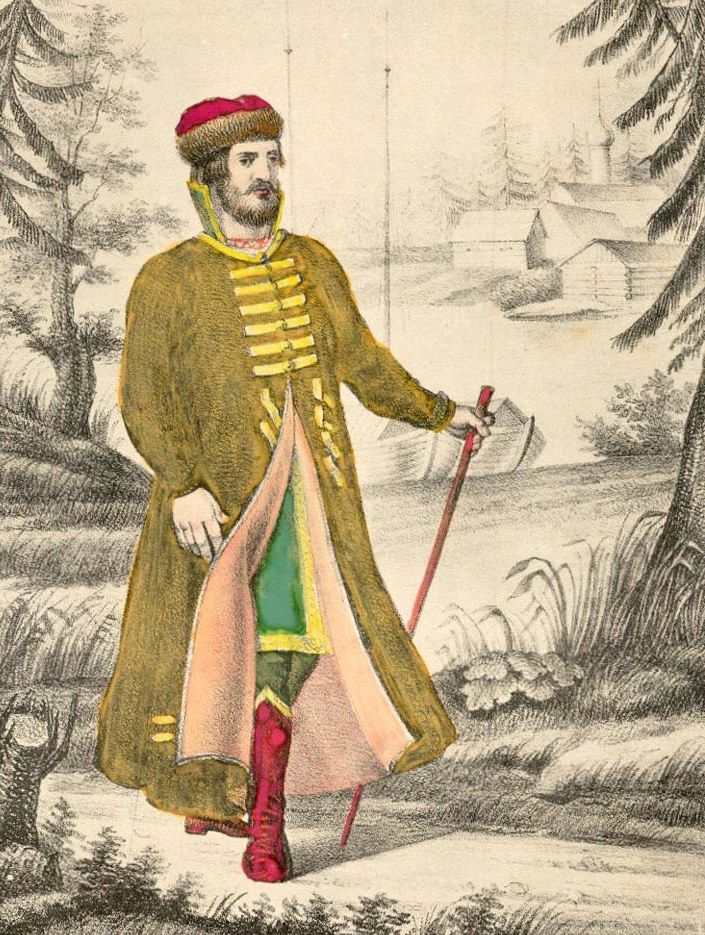
Depending on what part of the world you’re in, you would wear the caftan differently. For example, in West Africa, the caftan was worn by both men and women and usually was a robe that was pulled over the head and worn with pants that would have a drawstring at the waist.

In Russia, it refers to a style of men’s long suits with tight sleeves

Other countries and communities might wear the caftan belted, while others will have it remain loose. Different countries would have different types of fabrics, colors, and textures. This would all depend on the fabrics that were available to them and the fabrics that would be most comfortable for them in their climate.

Different religious communities would also wear the caftans, such as the Jewish communities or the Muslim communities. In those cases, they would often be a specific color and worn in a very specific way due to that culture or religion.

So that was a brief history of the caftan, bringing us up towards modern times. As I mentioned above, I am more than happy to do a more in-depth series about this, as the culture and history of this remarkable garment are quite in-depth and very interesting.
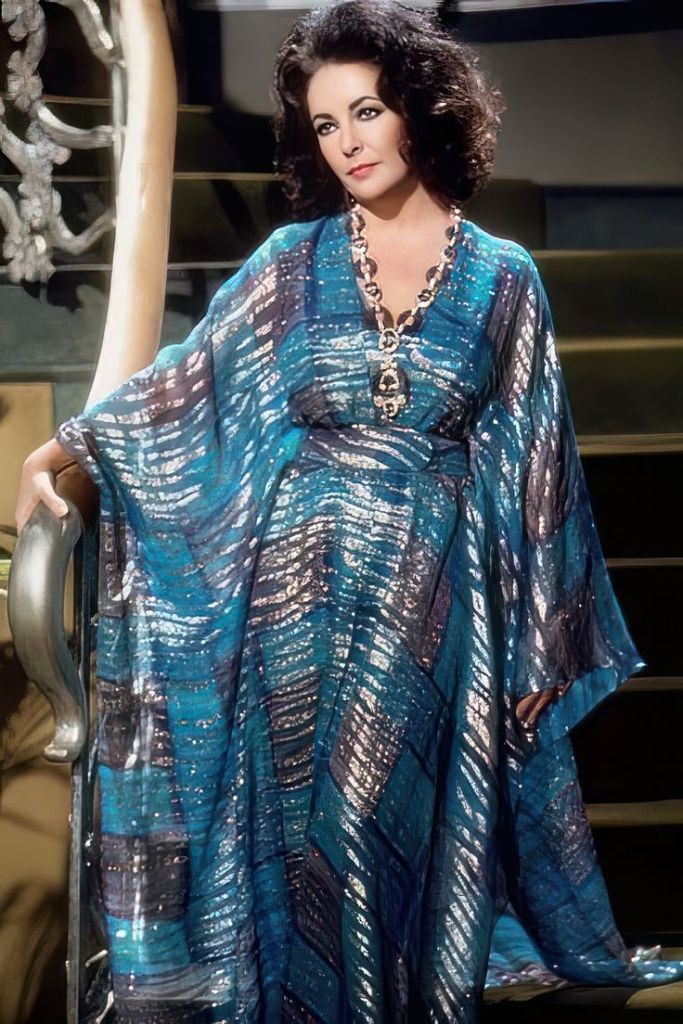
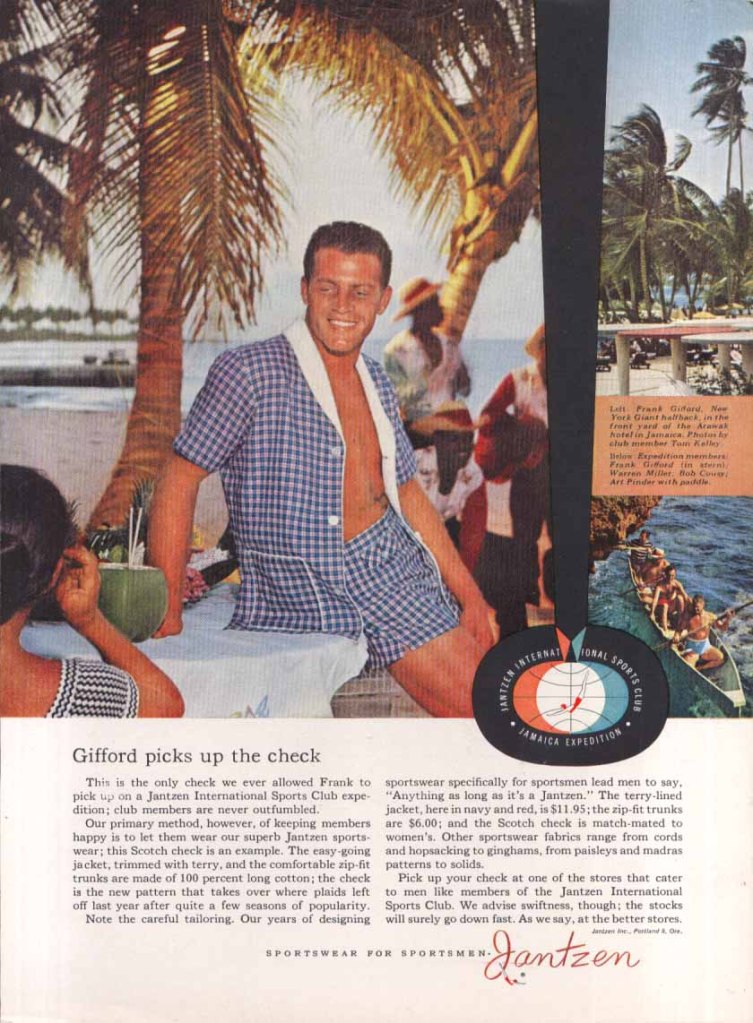
What would the modern caftan be? As I mentioned above, the tiki community has helped to bring back the popularity of the caftan, but before that, you would have seen it in movies, television, magazines, and photographed on a variety of celebrities, going back as far as the 1950s. As with many types of fashion, it does get popularized more when a person of fame wears it. Elizabeth Taylor is one of the most iconic actors who was photographed (quite often) wearing one. There are even photos of Marlon Brando wearing one, and on television, the wonderful Mrs. Roper is also someone who comes to mind. She is also honored with a Mrs. Roper Day every year, where there is a gathering and parade of red-wigged, caftan-wearing fans. 
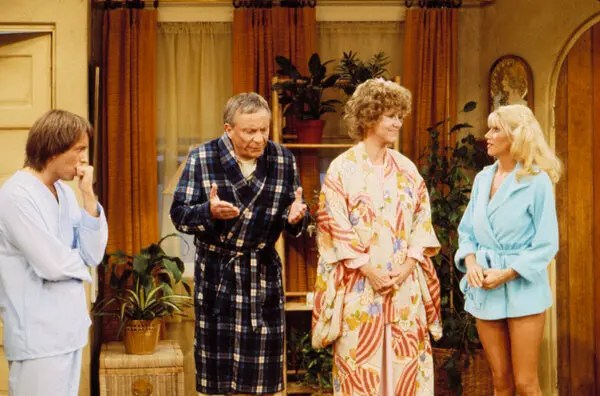
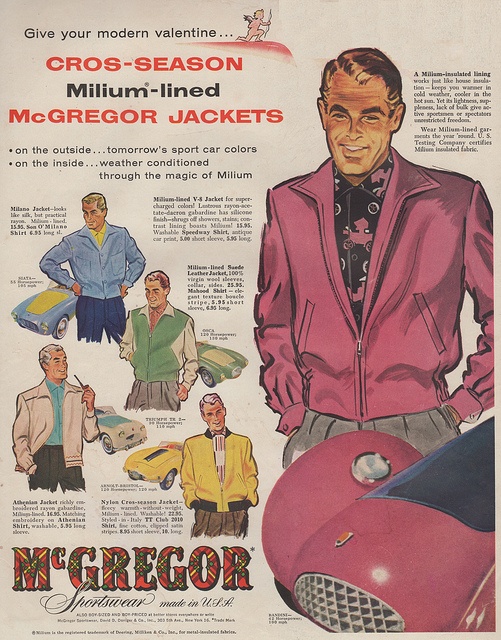
Before its current wave of popularity, the caftan was incredibly popular in the 50s, 60s, and 70s. It was boldly embraced by the hippie culture, especially. 

In the 1950s, designers such as Christian Dior and Cristobal incorporated caftan-inspired elements into many of their collections, and that included dresses and coats that would also have very high slits.
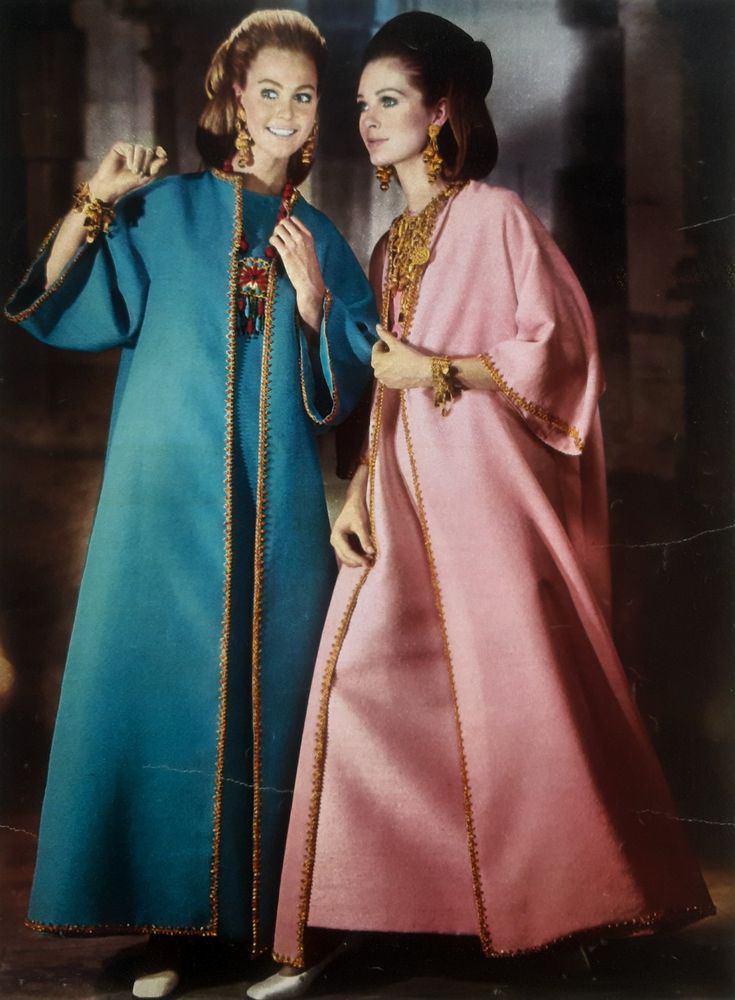
As they are today, they would be worn for a variety of reasons, from lounging at home to wearing them as a Hostess Dress or, of course, if you’re lounging by the pool or at the beach, you can wear them as a cover-up later. As with historical costumes, fabrics range from very comfortable cottons up to very fancy silks and brocades.

As we move into the 1960s and 1970s, the caftan has now become part of the hippie and bohemian lifestyles, and most people started associating it with that culture. Though you are still seeing celebrities like Elizabeth Taylor wearing the caftan on a variety of different occasions. She was photographed a lot in some of the most beautiful fabrics that you would see at that time.

Then, as we move into the mid-70s, we’re seeing the caftan becoming a regular part of television shows. As I mentioned in my intro, Bea Arthur wore the caftan occasionally in the television series Maud, and then, of course, our beloved Mrs. Roper made it incredibly popular as a very fun way to lounge around the home. She would accessorize with the most outrageous jewelry, and I absolutely adored it when I watched it back in the ’70s, as well as when I watch the reruns now. She is my absolute favorite part of that entire show, and there has been a love for her for many decades. As I mentioned above, there is a day that is dedicated to her, and I love that.

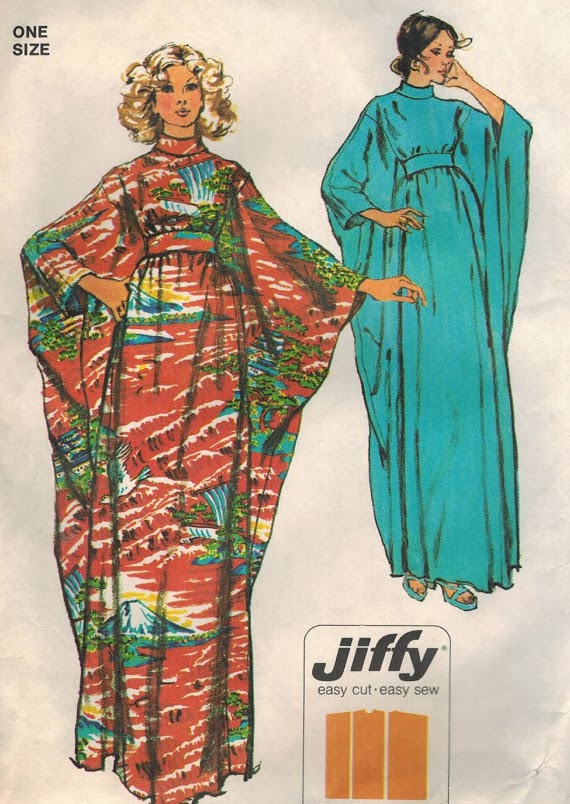
I have been wanting to make one myself, and I do have a sewing pattern right here. I have many friends who have made this, and currently, there is a version of this over on Gertie’s Patreon in case you are a member. I did have a struggle trying to find this particular pattern. Everywhere I looked, it was sold out as it has become super popular. I believe it is because of the ease of making it. I have fabric set aside for it, I just need to find time to make it.  I don’t want to just make it for summer; I think this would be a lovely lounging garment for the colder months as well.  I mean, think about it, a Halloween-themed caftan! Raise your hand if you’re there with me. 
I hope you enjoyed this history lesson, although brief, about the caftan, as well as a little bit about what is happening in modern culture with it.
If you enjoyed this video, please subscribe, give this video a thumbs up if you liked it and also, I now have memberships on this channel and those memberships do include early access to weekly videos, eventually I’ll do semi-regular members only chats, you’ll get discounts to new products, I’ll also do some members only posts, videos and possibly some tutorials shortly. It does not cost that much to join, and it helps out my channel.

I have a Patreon. I would love it if you became a member.  https://www.patreon.com/killerkitschdesigns

If you are inclined, I have a Ko-Fi account. All donations are appreciated and will help me upgrade my equipment (lighting, microphones etc).

Thank you so much!  https://ko-fi.com/killerkitschlizzie

Other links to follow! Discord: https://discord.gg/yPeZRJpWpk

Instagram: https://www.instagram.com/killerkitsch13/

Facebook: https://www.facebook.com/killerkitsch13

Website: https://killerkitschdesigns.com/
1950s, 1960s, art, beatnik, poetry, rebellious fashion, writing

Rebellious Fashion: The Beatnik Generation

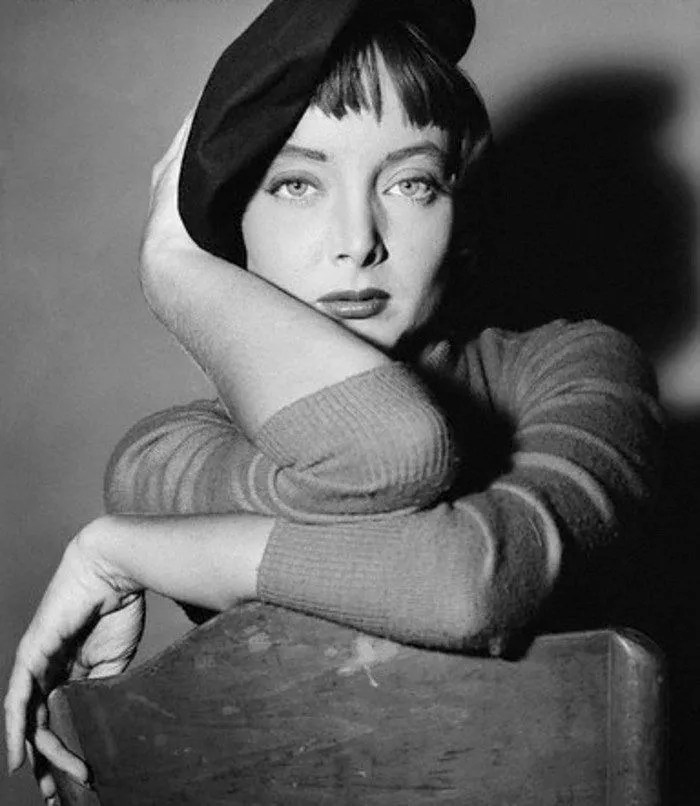
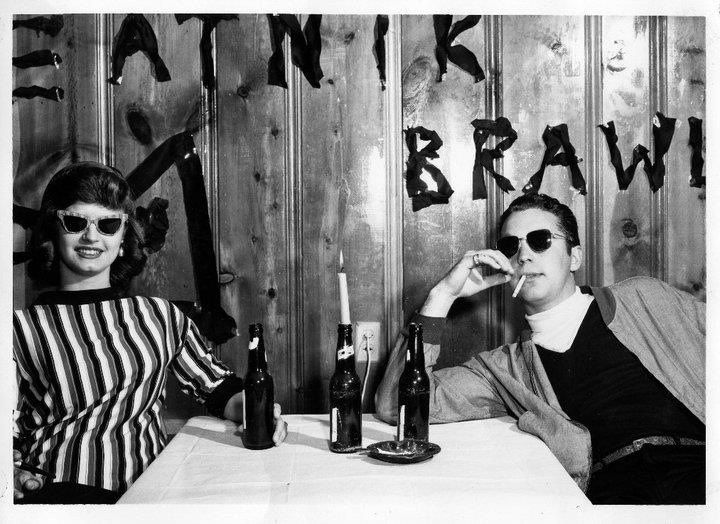
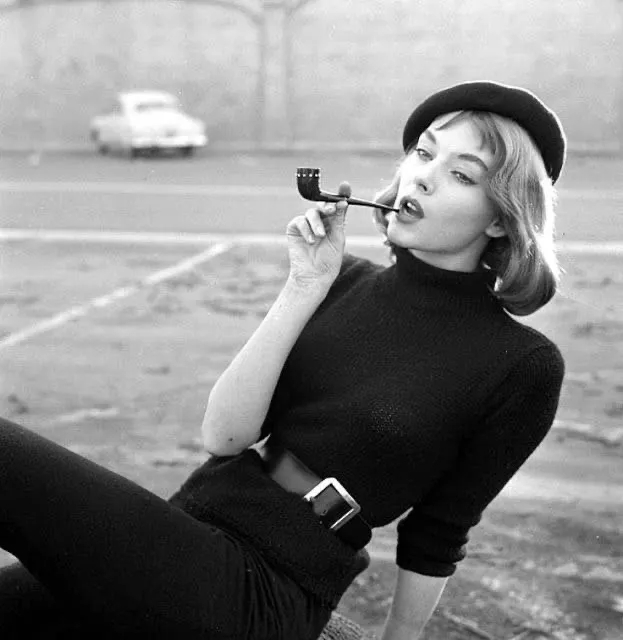
If you’ve ever heard the word beatnik, one of the first images that likely comes into your mind is of a lanky male or female dressed head to toe in black with a beret on their head, a turtleneck, slim slacks on their body, and loafers on their feet. As well, you may also associate them with poetry and smoky jazz cafes or coffee houses. However, there is so much more to the history of the beat generation. They were rebellious and spoke out against the way that society had changed after World War II. They were using their fashion style and their words to voice out against what they believed to be a world moving in the wrong direction.

To find out more about the beatnik generation, its history, and its style, keep watching.

“The term ‘beatnik’ was coined by Herb Caen of the San Francisco Chronicle on April 2, 1958, blending the name of the recent Russian satellite Sputnik and Beat Generation. This suggested that beatniks were “far out of the mainstream of society” and “possibly pro-Communist.” Caen’s term stuck and became the popular label associated with a new stereotype—the man with a goatee and beret reciting nonsensical poetry and playing bongo drums while free-spirited women wearing black leotards dance.” {Wikipedia}

If you’ve ever watched a movie from the mid-1950s up to the early 1960s, you may have come across scenes that take place in Bohemian-style coffee shops. In those scenes, you’ll see poets or musicians doing some sort of beat style poetry, spoken word or music, and there were always bongos. One of my favorite movies with beatnik style is the Jimmy Stewart and Kim Novak movie called Bell, Book, and Candle. It also stars one of my favorite all-time actors, Jack Lemmon, who, of course, works in a coffee house and is part of the house band, and he plays the bongos.

Before I get into what the beatnik style was, I want to talk about the history of the beatnik culture.

As with many fashion trends, it is usually inspired by some kind of culture or era, or some kind of artistic inspiration. Beatnik fashion is no different. Firmly linked to what is called the Beat Generation, it was considered a counterculture movement, and it was heavily influenced by artists, intellectuals, and anyone who was off the beaten path. and they usually frequented coffee houses, bookstores, jazz clubs, or some very smoky, underground-type establishments. It was a very Bohemian style culture. Toronto had its very own counterculture, artistically driven, Bohemian-style neighbourhood. That was Yorkville back in the ’50s and ’60s. Today, if you were to visit Yorkville, it is not anywhere related to what that culture was back then. Now it is very sheeshee, high-end, boutique stores, rich people’s playgrounds. A far cry from what it was during its beatnik generation era. Other little pockets in the city of Toronto also had a similar culture; the Annex was one of the other ones. Every major city would have an area that was dedicated to the beatnik generation. London, San Francisco, and New York are other examples of large cities that have a very colorful and interesting history in their culture. Speaking of New York City, this was where the movement began.

Beatniks were considered rebellious, and in their own way, they were rebelling against society. What was that way, you ask?

As with many artists over the centuries, they rebelled through their art, and with the beatniks were amongst those artists. The beatniks were rebelling against conformity, materialism, and what American society became after World War II. 

After World War I, the world went through a cycle of wealth and insane spending, to the Great Depression, and then to war. When the Second World War ended, the world began having a cycle of wealth again. People had become materialistic, and their spending habits had changed greatly from the decade previous to the war. This was one of the things that the culture was rebelling against. They were critiquing what was now perceived as the American dream. Keeping up with the Joneses. The stages of life once again being: get married, own a house, have a car, and work at a job that you stay at for your entire life. The wife stayed at home and cooked, cleaned, and raised the children. As Bohemians, they wanted to live their lives freely, artistically, and not have to follow the rules of what was considered the standard way of life. Through their art, they were trying to find a way to liberate themselves from all of that.

During this time, several writers and artists became incredibly well-known. 

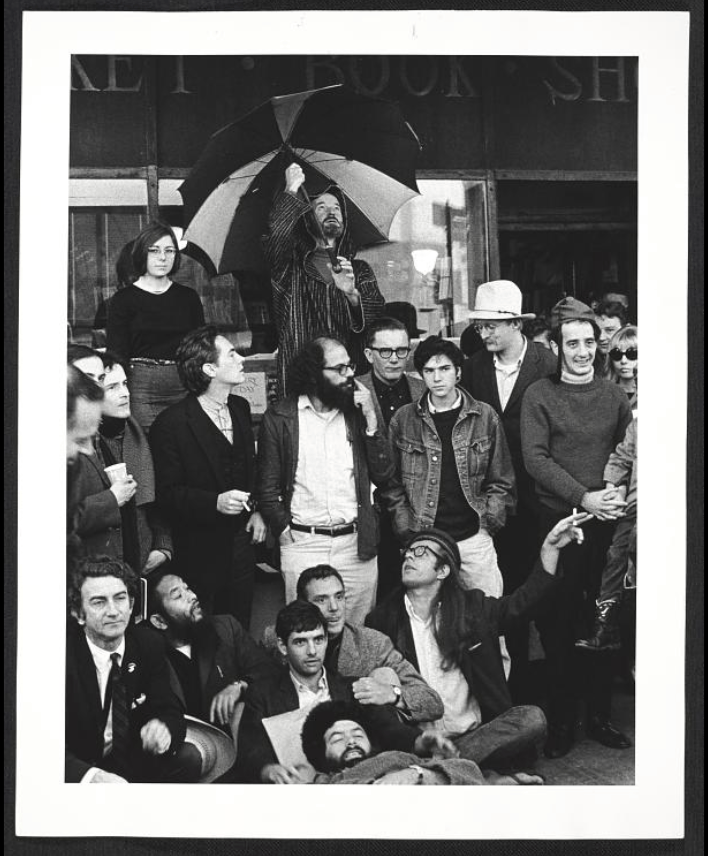
Writers such as Jack Kerouac, Allen Ginsberg, and William S. Burroughs are considered to be key figures in the movement. If you’ve read any of their works, you would see a very strong message in them about fighting against this conformity. 

Other important poets, writers, and artists of that time would include Edie Parker, Ted Joans, John Asbery, and Ruth Weiss.

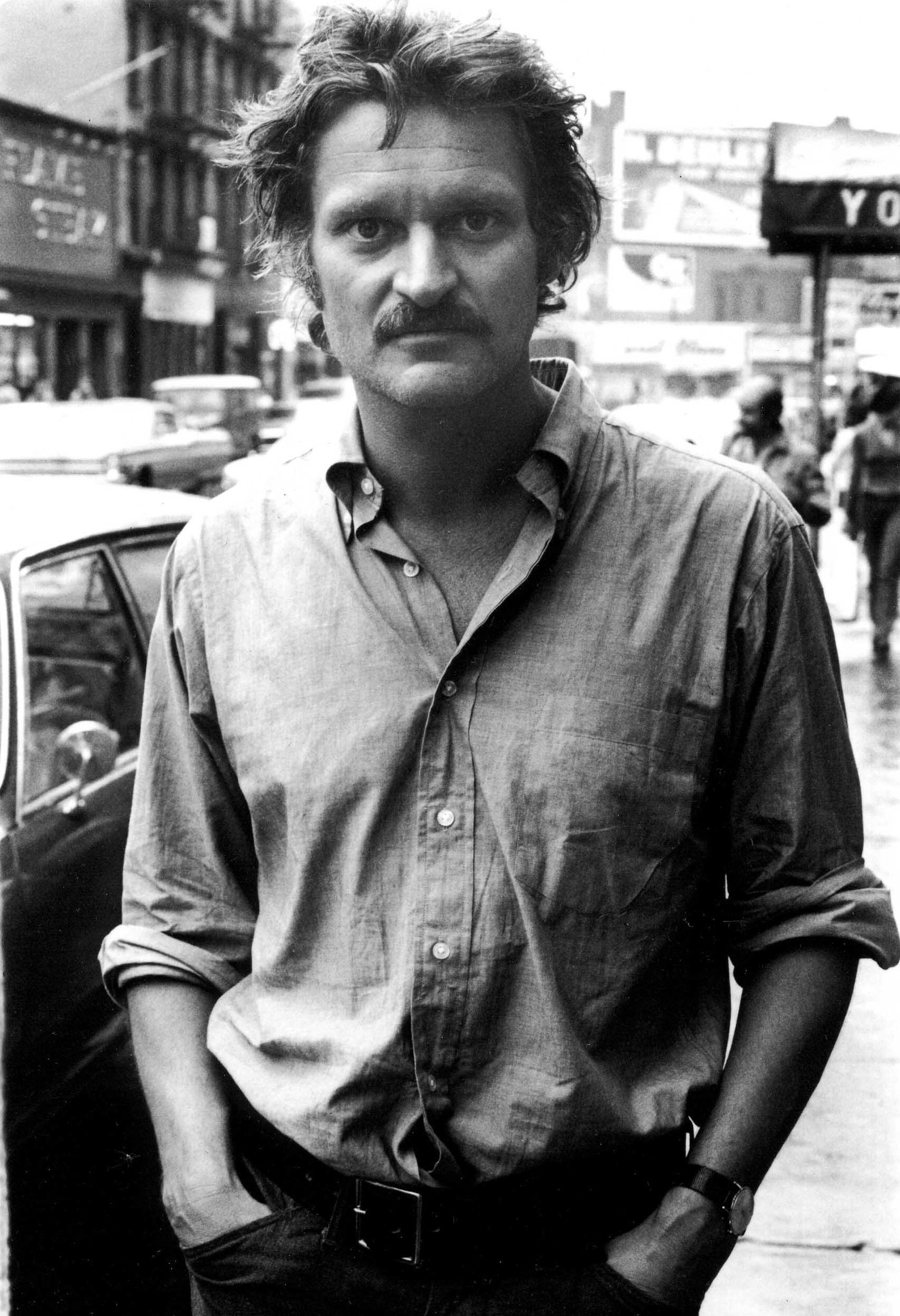
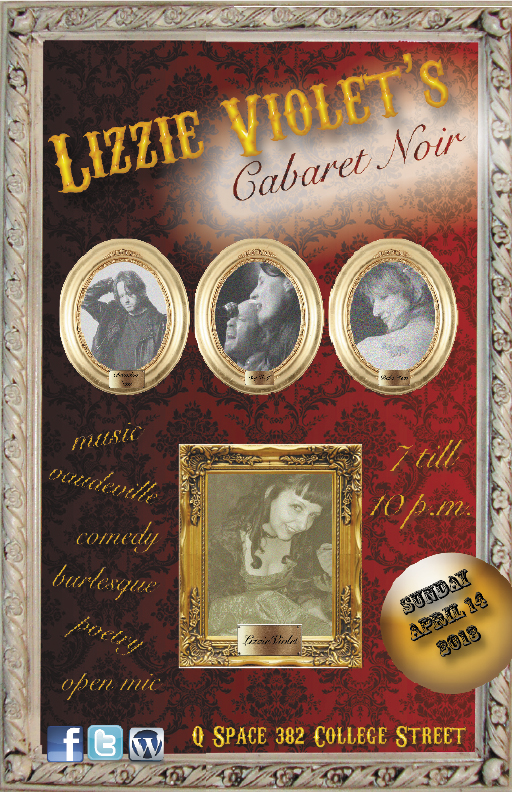
As I mentioned above, a huge part of the beatnik culture was the poetry scene and the music scene. Here in Toronto, I was part of both of those scenes. I ran a cabaret called Lizzie Violet’s Cabaret Noir, and part of that Cabaret was poetry and music. I was good friends with a lot of very Bohemian-style artists. One in particular was Nik Beat. Nik’s name was a variation of the word beatnik. Nik was a very well-known artist and poet in Toronto, as well as a huge supporter of the arts. He had a weekly show on the radio station CIUT. I performed on the show a few times, and I’m very grateful to have known him. Unfortunately, he passed away a few years ago, but as I was writing the script for this video, I was thinking about Nik as well as my time in that scene.

Along with running a cabaret, I was also a spoken word artist. Being a spoken word artist, I was also part of the poetry community. I’m no longer part of that scene as I had walked away from it when the pandemic happened, and at that point, I had already moved on to other artistic endeavors.

As promised, let’s talk a little bit about beatnik style.

Beatnik style was a combination of a few different looks. Both men and women embraced this style, and one of the reasons was its simplicity. But I’m getting ahead of myself, let me tell you a little bit about exactly what beatnik style is.

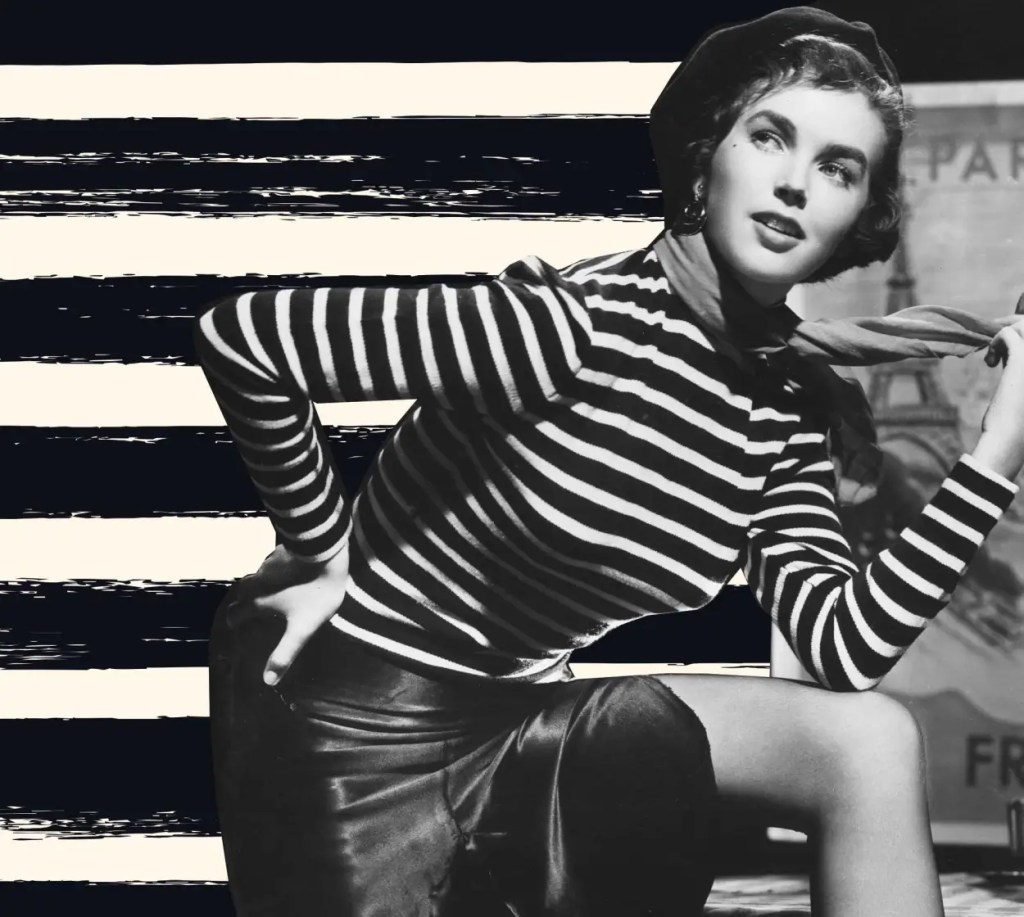
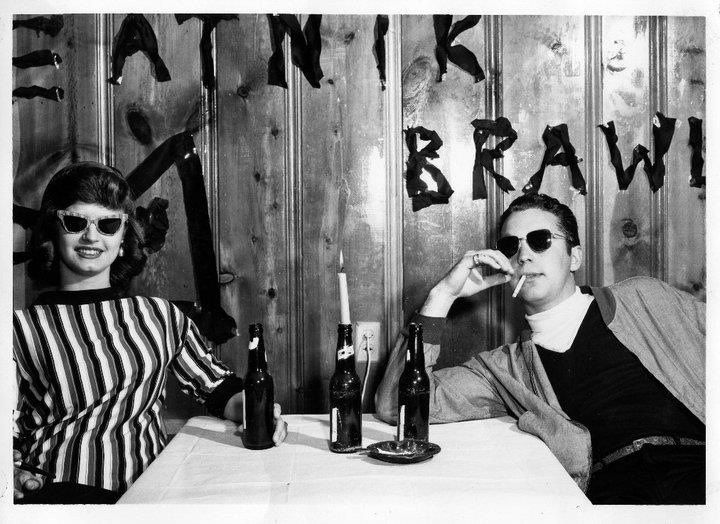
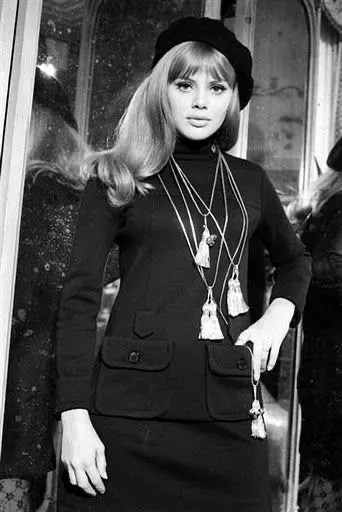
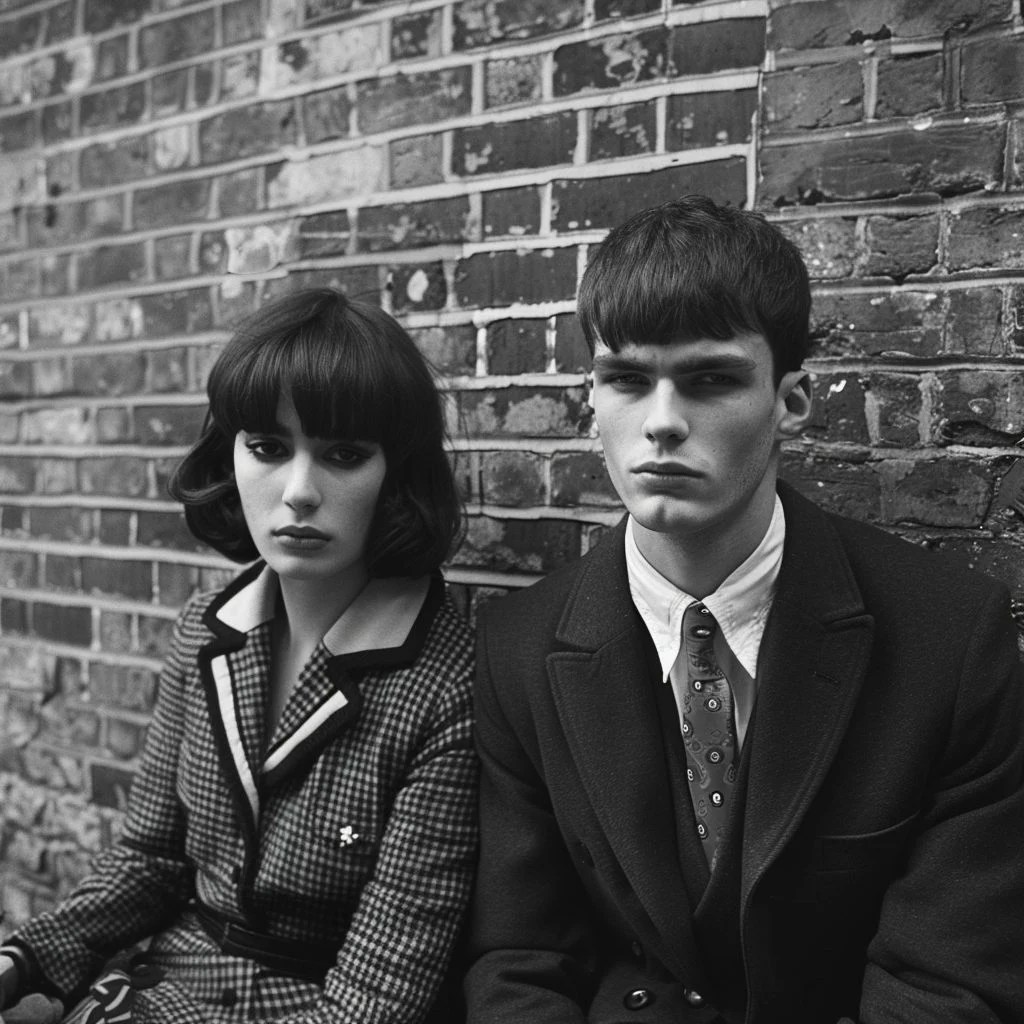
Beatnik style was probably at its height towards the end of the 1950s, and it was usually described as a very minimalist, intellectual, and androgynous style. Men and women tended to wear very similar styles. This look would include mostly black clothing, occasionally another color would pop in, such as white, and it was a mishmash of turtlenecks, skinny tight pants similar to narrow-legged trousers or ankle-length capris, and the footwear was always comfortable. Women who were into beatnik fashion usually steered away from high heels or any kind of uncomfortable, fashionable footwear.

Another very well-known and very familiar beatnik style is the striped long-sleeved top. It would be in the fashion of either a turtleneck or a Breton-style top. Breton would be a wide, round-neck or boat neck shape.

Along with berets, as headwear, you would almost always see beatniks wearing sunglasses. It didn’t matter if they were indoors or outdoors. They were also very likely not to be sun worshipers in any sort of way. They would rather spend their time inside a dark, smoky coffee house.

Women’s hairstyles tended to be long and straight with bangs, a variation of the Bettie Bang that was popular in the 1940s. Bettie Page especially made that look famous. Men usually had longish hair with beards, and often their beards would be in the style of a goatee. 

The beatnik minimalist look would not have any flashy patterns. As I mentioned above, the striped top was probably as flashy as they got. 

Below are a few articles I read when doing my research for this video!

https://vagazine.com/exploring-beatniks-and-the-beat-generation-legacy/

https://en.wikipedia.org/wiki/Beatnik

https://www.anothermag.com/fashion-beauty/8395/how-beatnik-style-made-the-underground-mainstream

https://gbacg.org/finery/beatnik-fashion/

Would you consider your look to be Beatnik? If you were around in the 1950s, would you be part of the Beatnik culture?

I hope you enjoyed this video, please subscribe, give this video a thumbs up if you liked it and also, I now have memberships on this channel and those memberships do include early access to weekly videos, eventually I’ll do semi-regular members only chats, you’ll get discounts to new products, I’ll also do some members only posts, videos and possibly some tutorials shortly. It does not cost that much to join, and it helps out my channel.

I have a Patreon. I would love it if you became a member.  https://www.patreon.com/killerkitschdesigns

If you are inclined, I have a Ko-Fi account. All donations are appreciated and will help me upgrade my equipment (lighting, microphones etc).

Thank you so much!  https://ko-fi.com/killerkitschlizzie

Other links to follow! Discord: https://discord.gg/yPeZRJpWpk

Instagram: https://www.instagram.com/killerkitsch13/

Facebook: https://www.facebook.com/killerkitsch13

Website: https://killerkitschdesigns.com/
Uncategorized

Julie Adams, The Creature & Her Costumes

Every summer, I have a tradition that marks the start of the season. I watch two very specific movies. Jaws and The Creature From The Black Lagoon! It just doesn’t feel like summer, unless I’ve watched them at least once. In today’s video, I am going to be talking about the latter, as well as Julie Adams’ style and how you could recreate it. 

When you hear the words The Creature From The Black Lagoon, you automatically think of the creature known as The Gill-man. For us vintage gals, we are usually drooling over the fabulous 1950s stylings of Julie Adams. Who, by the way, is the perfect ingenue for this movie? Her entire wardrobe is what I consider to be the most incredible summer capsule wardrobe. Julie Adams’ character, Kay Lawrence, is one of the reasons I decided it was time to make shorts for myself.

Before I get into the costumes, let me chat a bit about what this movie is about. 

The Creature from the Black Lagoon is a 1954 American black and white monster style horror movie that was originally done in 3D.  I’ve seen this movie many times and both in 3D and regular screenings, and to be honest, I do prefer the regular screenings over the 3D.

This movie was produced by William Alland, and it was directed by Jack Arnold. it stars Richard Carlson, Julie Adams, Richard Denning, Antonio Moreno, Nestor Paiva, and Whit Bissell. Many of you might be familiar with Julie Adams and Richard Denning, as they did do quite a lot of television in the 1950s. Richard Denning is also very well known as being the sassy detective in the television show Michael Shayne.

I am going to mention just a little bit about the movie plot. If you don’t want to know anything about it, skip to the next paragraph. I am going to attempt not to have too many spoilers. The movie’s plot is about a group of scientists who encounter an amphibious humanoid-type creature in the Amazon. They go to the Amazon to hunt down this creature to research it, and of course, along the way, this creature fights for its life. That’s all I’m going to tell you about it, as I do want you to watch this movie if you’ve never seen it. It’s so much fun! If you can, I highly recommend you see it on the big screen. If you live in a city or town that has at least one rep theater, they do tend to show it at least once a year in the summer. If they haven’t shown it, I would suggest it to them. If there’s enough interest, I’m sure they would show it. Otherwise, it is available on a variety of different formats, including DVD and Blu-ray, so it is a pretty easy movie to get hold of. 

I have done a video about the creator of the Gill-man, Milcent Patrick. You can check out that video here.

Before I talk about the specific costumes in the movie, I want to talk a little bit about who designed the costumes for this movie, Rosemary Odell. Rosemary was a costume designer for Universal Studios from 1945 until 1967. She was especially well known for designing the costumes for movies such as Bend of the River (1952), It Came From Outer Space (1953,) Creature from the Black Lagoon (1954), The Island Earth (1955), To Kill a Mockingbird (1962), and several of the Ma & Pa Kettle movies. 

Now it’s time to talk about the fabulous costumes that Julie Adams wears throughout this movie. As I mentioned in the opening, this is visually a great movie to watch if you want an easy-to-wear to wear, easy-to-make summer capsule wardrobe. Another movie that also has great costuming is the 1960 version of Little Shop of Horrors, and though in that case Jackie Joseph used for own wardrobe, it is also a great type of inspiration for another capsule wardrobe. I do have a video planned in the future for that movie.

As I talk about the outfits, I am going to pop up photos of those particular outfits, as well as images of patterns that I think would be perfect, especially if you can get hold of some of them. As I’m able to, I will post patterns that would be available to buy online as PDFs.

I am going to begin with the costume that is possibly the one that shows up second most in stills from this movie, and I will end with the most iconic one. 

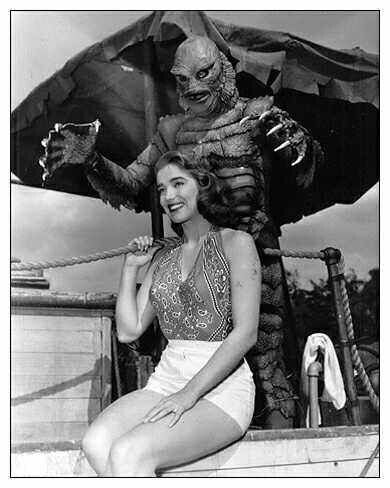
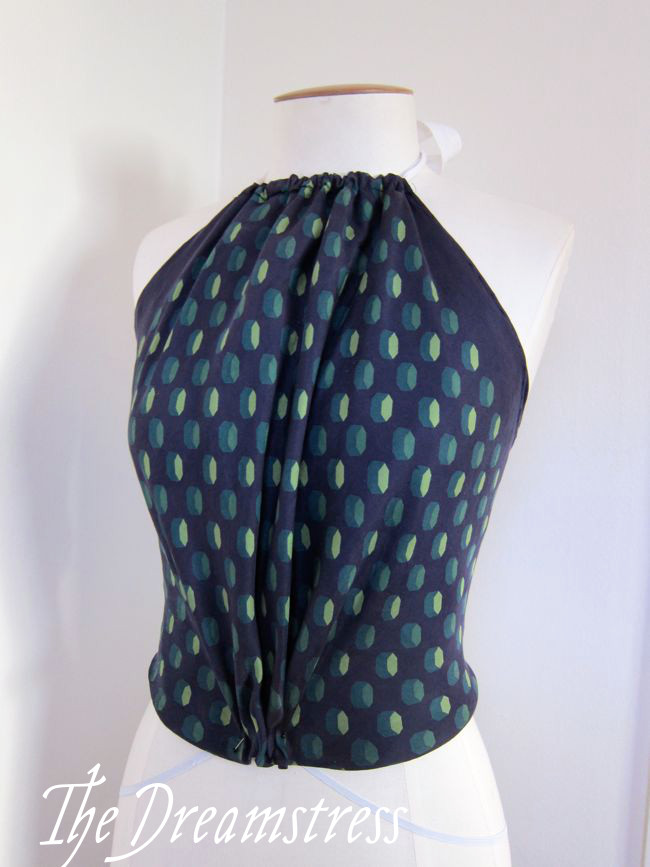
First up is not only one of the cutest outfits from this movie, but it is the outfit that inspired me to make shorts. Julie Adams is wearing a handkerchief-style halter top with white shorts. I think of all of these outfits, it is also probably the easiest to make. A handkerchief halter top would be pretty easy to sew; you can probably even self-draft it yourself, or simply sew handkerchiefs together from below your cleavage to the waist. Basic shorts are very easy to make as well. If you want to create your draft-at-home pattern for this, I do have a video where I talk about making shorts as part of a tiki capsule wardrobe. I’m going to link that in the show notes below, as well as the blog post that I’m going to have over at http://www.killerkitschdesigns.com.

Shorts:

Drafting Shorts with the Haslam System of Dresscutting https://youtu.be/kVheSjW_PMw 

Handkerchief halter top:   

I found this really easy tutorial to make a 1930 style handkerchief halter top on the website https://thedreamstress.com/. It would work for the halter top and shorts outfit.

1950s https://www.etsy.com/ca/listing/1552833064/pdf-vintage-1950s-sewing-pattern-set-of?ref=shop_home_active_6&logging_key=88088d0841cf1801e4abbb05d1a6312bac62624f%3A1552833064

1930s https://thedreamstress.com/2015/03/tutorial-how-to-make-a-1930s-style-handkerchief-halter-top/ 

Next up is the polka dot blouse and what I’m assuming are white capris, and the reason I’m assuming that is that during the 1950s, white capris were incredibly popular. I would not wear white pants; I would go with a different color, even red. I just can’t keep anything white.  It would end up with horrendous stains all over it. 

Polka dot blouse:

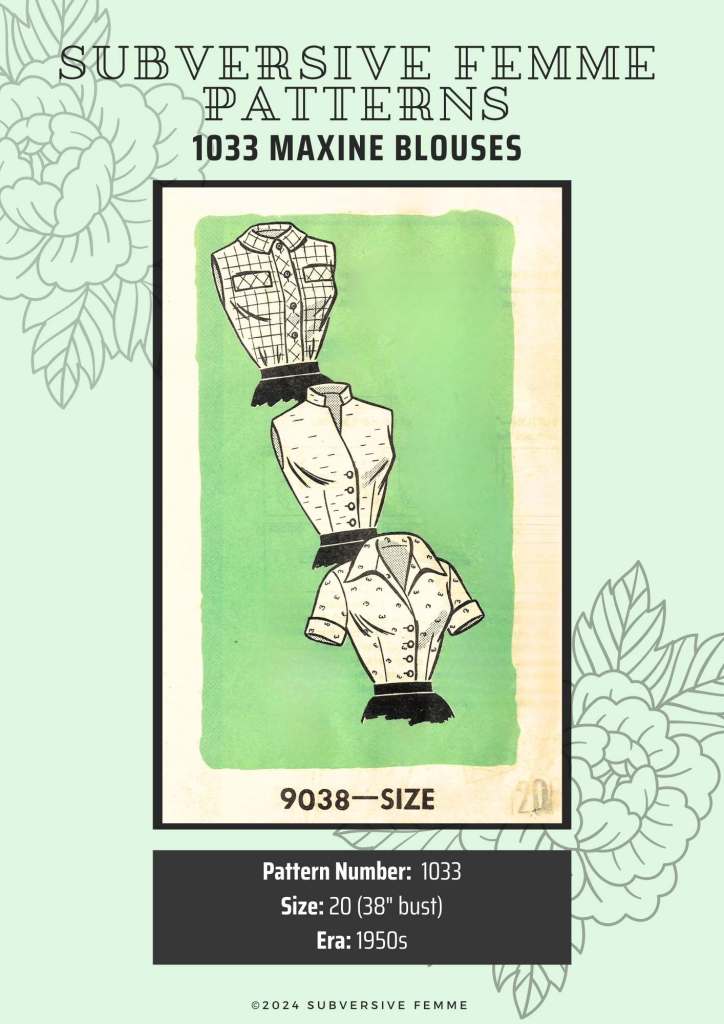
Subversivefemme.com has the Maxine Blouse. The sleeve option could be lengthened to a ¾ sleeve easily!  https://subversivefemme.com/patterns/1950s-maxine-blouses-1033/  

White capris:

If you can get your hands on a coffee, the Butterick 7557 sewing pattern is the perfect Capri pattern. I was fortunate and I was able to find a PDF version of this pattern, it is only in one size, please note that,  so you will have to grade it up or down if you’re not that size. But it’s convenient to have the pattern.  

For the next two pieces, I am assuming it’s a khaki color. Unfortunately, many black and white movies don’t do colored stills; instead, they colourize their stills, and it’s not necessarily the actual color of the garment. Both of these patterns are pretty basic sewing patterns. Almost any blouse or trousers from the late 40s into the 50s would work for this. Two patterns that I have and are amazing, though, just warning you, would have to grade both up or down depending on your size, are from subversivefemme.com again. I adore the knitting and sewing patterns from Subversive Femme.

Long-sleeved blouse

For the long-sleeved khaki blouse, you can very easily use this as a blouse. Now, the Zelda blouse does have a poof at the bottom of the sleeve, but you can easily remove the extra fabric from what the pattern piece has and straighten it out. In that case, it would work perfectly. 

Zelda Blouse https://subversivefemme.com/patterns/1940s-zelda-blouses-in-size-36-simplicity-1728/ 

Trousers:

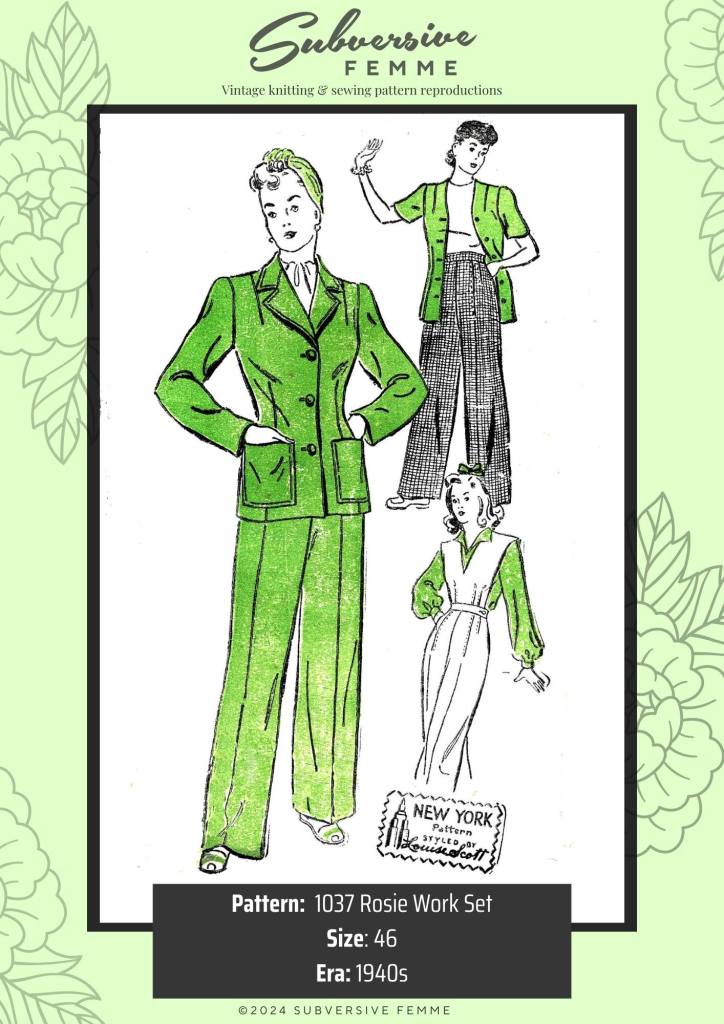
For the trousers, the Rosie work set is perfect. As a matter of fact, you could also use the fitted jacket as a blouse, simply by using shirting-weight fabric. It also works for this outfit. https://subversivefemme.com/patterns/1940s-rosie-work-set-in-size-46-vintage-sewing-pattern/ 


Turtleneck:

I didn’t realize how difficult it was going to be to find a 1950s women’s turtleneck sewing pattern. There is a plethora of knitted ones, but if you’re doing a summer capsule wardrobe, I don’t think you want a wool turtleneck sweater. I did find several versions of modern patterns that could easily be used as a 1950s pattern, and Mood Fabrics has a free pattern on their website when you subscribe to them.  If you’re interested in that pattern, here is a link. I am not associated with them in any way.https://www.moodfabrics.com/blog/the-crimson-turtleneck-and-the-voltage-midi-skirt-free-sewing-patterns/ 

Additionally, Gertie has a pattern on her Patreon called the Barbie top, and there is an extension to do a mock turtleneck for it. If you are a member of her Patreon, you can easily do that pattern. I haven’t made it myself, but I’ve heard that it’s super easy to make. I can’t imagine wearing a turtleneck in the summer.

And Julie Adams is wearing the same white shorts again that she wears with the halter top with this turtleneck.

White bathing suit

And of course, the most iconic of all of the outfits from this movie is that absolutely gorgeous white bathing suit. I highly recommend the Ester bathing suit from Charm Patterns. The reason I’m suggesting this it is size inclusive and has a very large range of sizes, so almost anyone can make this bathing suit. As well, the instructions for any of the term patterns are incredibly easy to follow. Sometimes Gertie has tutorials on her YouTube channel, though I don’t think there is one specifically for this bathing suit. However, it is a great option. It looks very similar to the bathing suit that Julie Adams is wearing in the movie.

Hopefully, this gives you a little bit of an idea of what patterns you could use to recreate the Wardrobe from the Creature from the Black Lagoon. To be honest, you could use any basic blouse or trouser pattern and then from those two pieces recreate this entire wardrobe. I’ve turned trouser patterns and shorts before, and I’ve added long sleeves to sleeveless blouses before. That is really how you create a capsule wardrobe without having to buy a ton of patterns. Use what you have and hack them.

Other links:

How to take the width out of trousers: https://youtu.be/njTURJic7a8 

Haslam System of Dresscutting Playlist: https://youtube.com/playlist?list=PLjSfw2LRUE9TNKnOk9Bcocjco09xGbNeN&si=849Wg6eIKDwkvpt3 

I hope you did find this all useful as well as entertaining and informative, with the little bit of information I need to gave you about the movie and the designer. If you like this type of video, please let me know, and I’m more than happy to continue doing garment-related videos with a little bit of history.
If you enjoyed this video, please subscribe, give this video a thumbs up if you liked it and also, I now have memberships on this channel and those memberships do include early access to weekly videos, eventually I’ll do semi-regular members only chats, you’ll get discounts to new products, I’ll also do some members only posts, videos and possibly some tutorials shortly. It does not cost that much to join, and it helps out my channel.

I have a Patreon. I would love it if you became a member.  https://www.patreon.com/killerkitschdesigns

If you are inclined, I have a Ko-Fi account. All donations are appreciated and will help me upgrade my equipment (lighting, microphones etc).

Thank you so much!  https://ko-fi.com/killerkitschlizzie

Other links to follow! Discord: https://discord.gg/yPeZRJpWpk

Instagram: https://www.instagram.com/killerkitsch13/

Facebook: https://www.facebook.com/killerkitsch13

Website: https://killerkitschdesigns.com/
Uncategorized

Projects, WIPs & Sneak Peeks! OH MY!

It’s been a while since I’ve done this type of video, and I thought it was time for a little catch-up. In this video, I’m going to talk about the things I’ve recently finished, the things that are still in my ‘Works in Progress’ pile, and a little sneak peek at something that’s going to happen in October. If you would like to find out more, watch this video.

Additional links:

Where to find my blog posts: www.killerkitschdesigns.com

Where I found the red gingham fabric: https://gkfashionfabrics.com/ 

Tara Deighton’s Sinead Wrap Cardigan: https://www.taradeighton.co.uk/post/introducing-the-sinead-ballet-wrap-cardigan

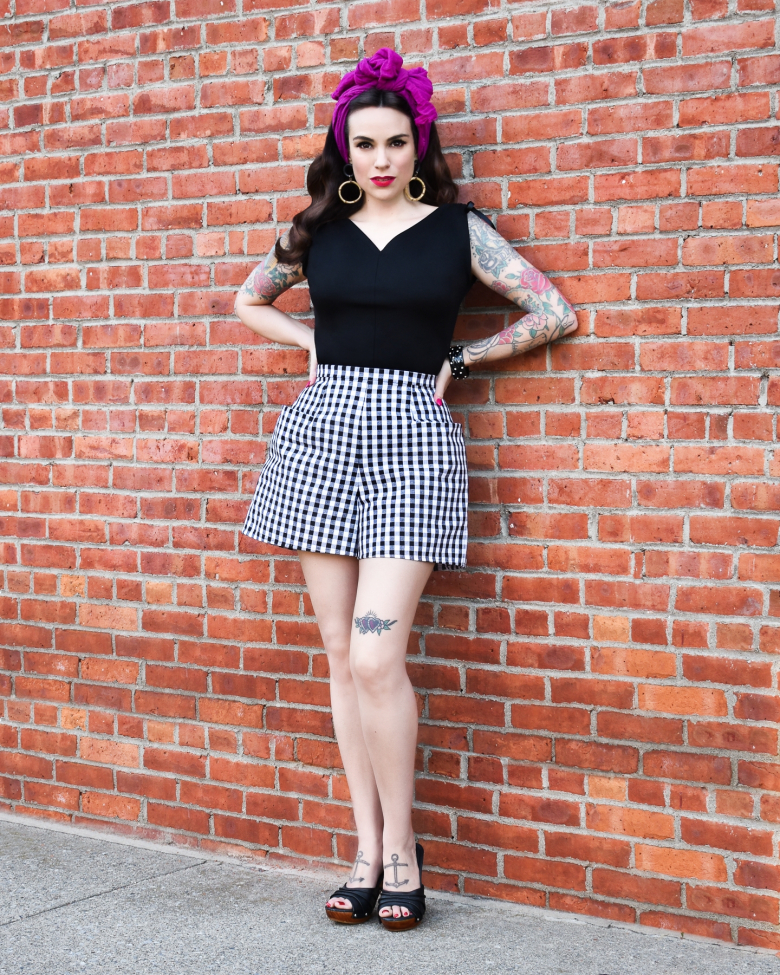
Loretta Shorts: https://charmpatterns.com/loretta-shorts-pattern/ 

Bare Shoulder Blouse: https://subversivefemme.com/patterns/1950s-maxine-blouses-1033/ 

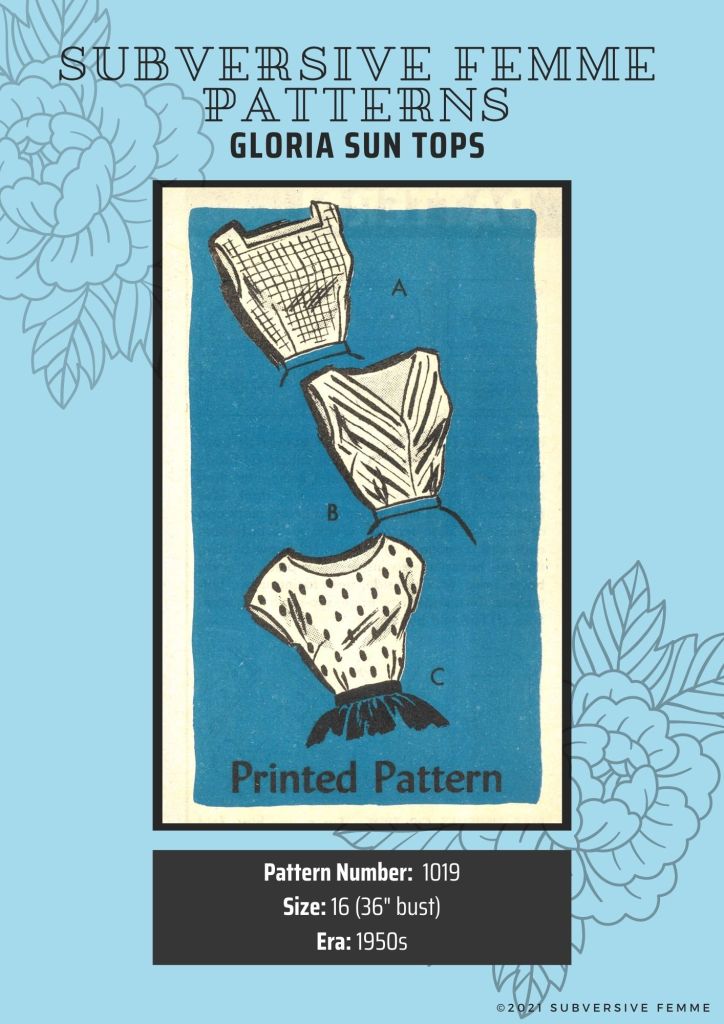
Multi-tops: https://subversivefemme.com/patterns/1950s-gloria-sun-tops-medium-size-print-at-home-vintage-sewing-pattern-1019/ 

The Betty Dress: https://sewoverit.com/products/betty-dress-add-on-pack-pdf-sleeves-and-necklines 

Peggy Dress Video: https://youtu.be/Q4dyRoShN24 

If you enjoyed this video, please subscribe, give this video a thumbs up if you liked it and also, I now have memberships on this channel and those memberships do include early access to weekly videos, eventually I’ll do semi-regular members only chats, you’ll get discounts to new products, I’ll also do some members only posts, videos and possibly some tutorials shortly. It does not cost that much to join, and it helps out my channel.

I have a Patreon. I would love it if you became a member.  https://www.patreon.com/killerkitschdesigns

If you are inclined, I have a Ko-Fi account. All donations are appreciated and will help me upgrade my equipment (lighting, microphones etc).

Thank you so much!  https://ko-fi.com/killerkitschlizzie

Other links to follow! Discord: https://discord.gg/yPeZRJpWpk

Instagram: https://www.instagram.com/killerkitsch13/

Facebook: https://www.facebook.com/killerkitsch13

Website: https://killerkitschdesigns.com/

1950s

1950s Summer Fashion!

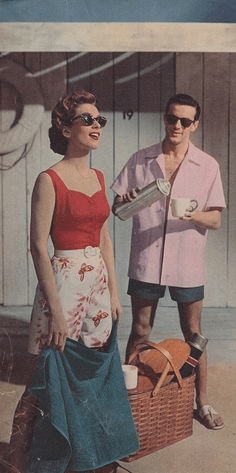
Though I am madly in love with the 1920s and 1930s, style-wise, I tend to gravitate to the 1950s. One of my favorite seasons for 1950s-inspired outfits is summer. From bare shoulder blouses, to cute shorts,  to capris, to big, flowy, gathered skirts, the 1950s is my dream era. In this video, I’m going to talk about the summer fashion through the years of the 1950s. If you want to see the styles and the changes that happened throughout the decade, watch this video.

As I mentioned in the intro, I tend to gravitate towards the style of the 1950s when it comes to Summer fashion. Knitwear, I tend to knit patterns from the 1930s and usually the 1940s more than I do the 1950s. But when it comes to sewing, because of my silhouette, the 1950s tends to suit me better.

If you recently watched my 1930s summer fashion video, you would have heard me talk about how fashion style changes from the beginning to the end of the decade. The 1950s are no exception to this rule. At the beginning of the decade, you’re going to see some of the latter Fashions from the 1940s still hanging on, and by the end of the decade, you will start to see some changes that will then melt into the 1960s.

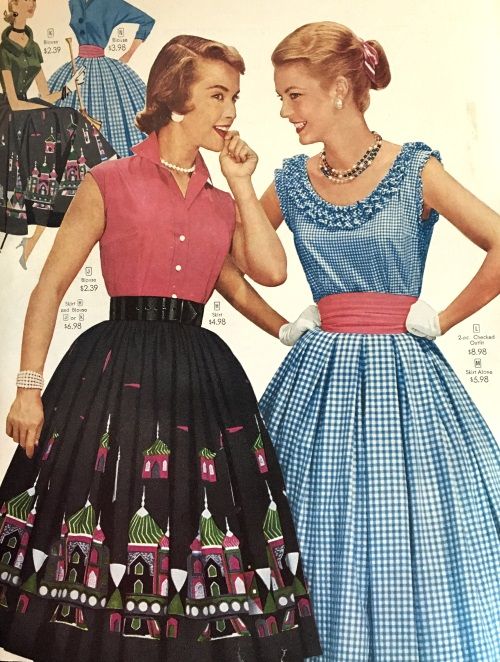
At the end of the 1940s, Christian Dior created the New Look. Garments had cinched-in waists and full skirts. At this point, the Great Depression and the war are over, and the economy is starting to have an upswing. Many talk about how the 1950s had very large skirts, showing off how well the economy was doing. A good economy means better jobs, which means more money to spend on things like fabric. In the last two decades, women had to be very careful with how they used the fabric in their garments, and now, in the 1950s, being a time of abundance, they could go nuts with huge gathered or very flowy circle skirts.

One look, which stayed pretty consistent through the 1950s, was the fit and flare dress. I feel that this style of dress is flattering on absolutely everyone. However, to achieve this look, we then start returning to more structured and sometimes restrictive undergarments. Though not as restrictive as corsets, you will start to see waist-shaping and belly flattening girdles. The new trend for underground is also seeing a different structure for brassieres. You’re now seeing more padding, as well as a more defined, pointed shape in the structure.

Now that I’ve covered those, let’s talk a little bit more about what changes from the beginning of the decade to the end.

At the beginning of the 1950s, something you are going to start seeing a little less of are those squared-off off masculine shoulders. You might have some drastic changes in waistlines and bust areas, you are starting to see things soften a little bit. softer shoulders, as well as the color of the fabric. Summertime in the addresses is a beautiful example of this. You would often see pretty pastels in both solids and prints, especially a lot of dotted, checked, and plaid style fabrics.

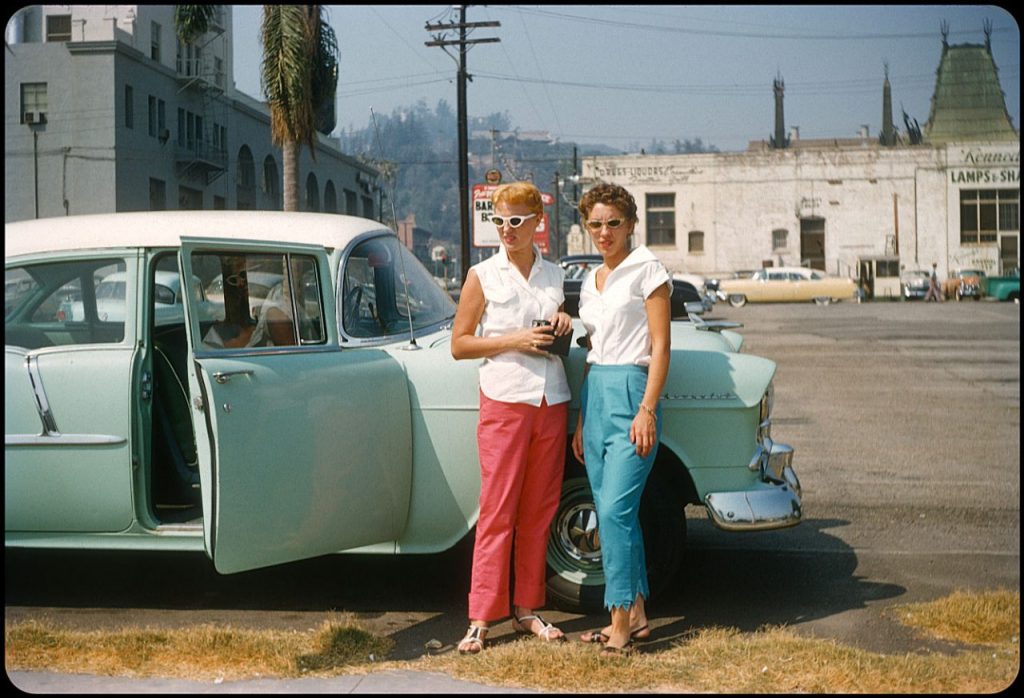
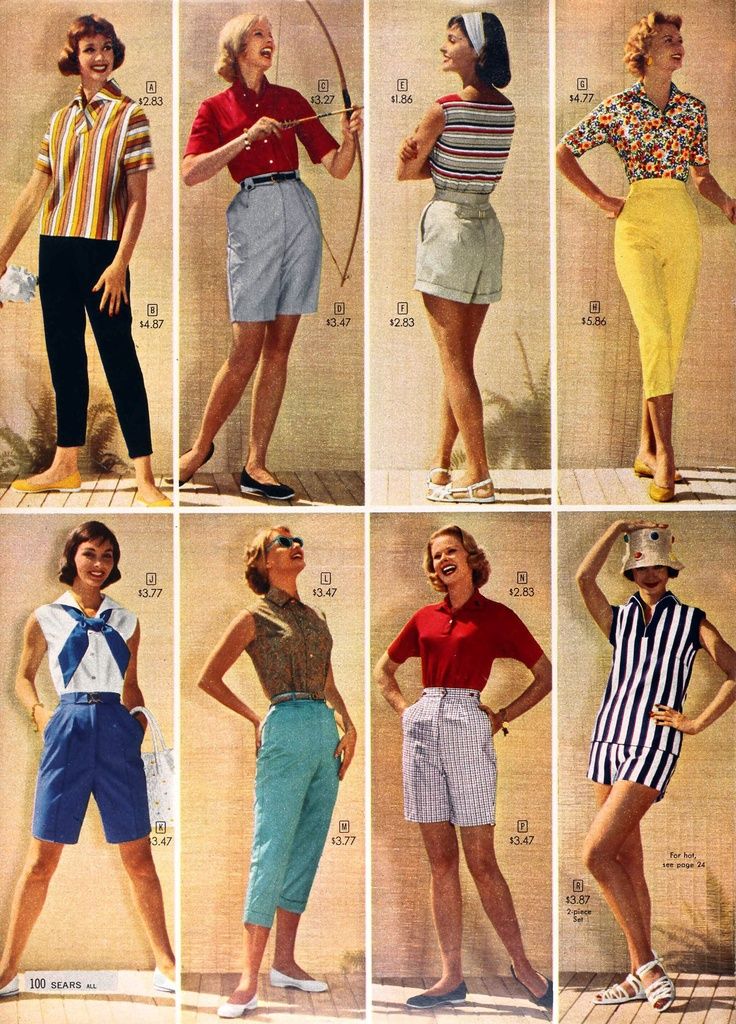
Throughout the 1950s, even though the length of shorts might change, trending towards shorter, one thing that was pretty consistent was that they were still pretty high-waisted. This was a holdover from the 30s and 40s. 

Along with shorts, you’re going to start seeing different lengths and trouser styles of garments. Something very popular with women was Bermuda shorts and pedal pushers or capris.

To go with those capris or shorts, footwear tended to continue with some of the looks from the 1930 years and 40s and in the espadrille was still quite popular, in addition to the Capri you were starting to see sneakers as well as a boat shoe style. as well, you would see ballerina style flats. You would also see open-toe sandals coming in a variety of different heel heights.

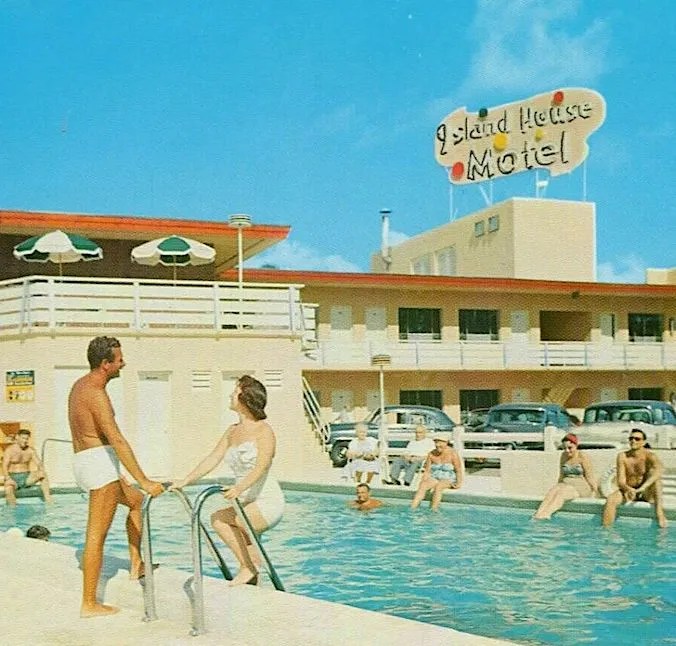
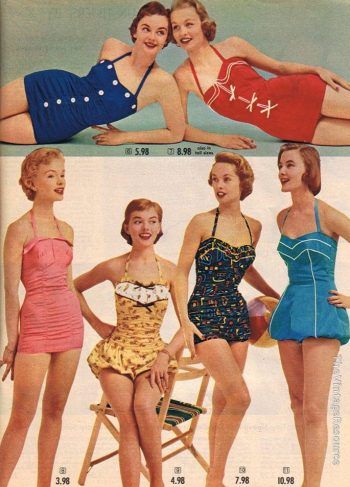
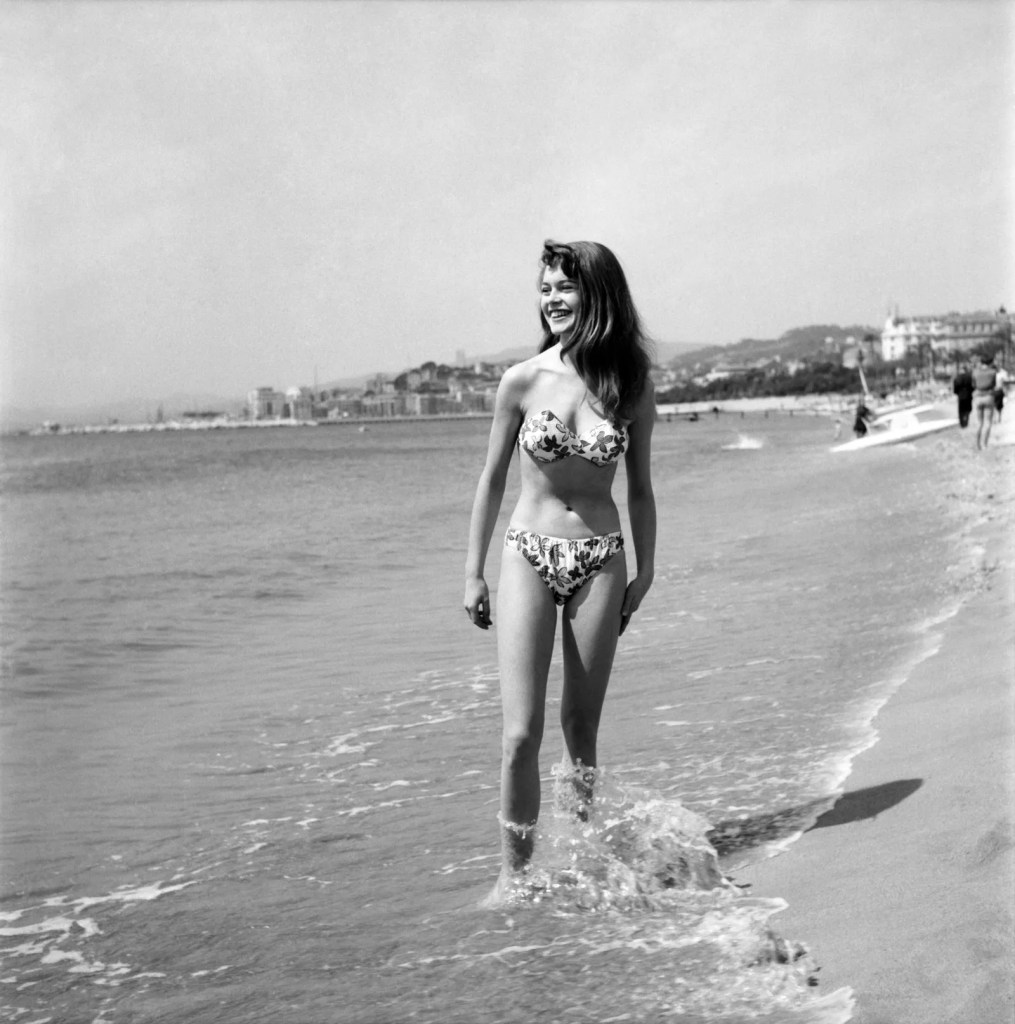
The 1950s starts to see even more innovation in bathing suits, including more structured and figure-flattering. You would also see the bikini becoming incredibly popular. With the bikini, you’re seeing a lot more skin.

As with the 1930s and 40s, Lastex was being added to a greater variety of fabrics, including cotton and taffeta. As well as in 1956, Speedo introduced nylon in swimwear. The benefits of nylon were that it stretched more easily over your body, it dried faster, and it retained its shape. Also, with the 1950s bathing suit innovation came ultra-light fabrics, which made wearing a bathing suit even more of a joy.

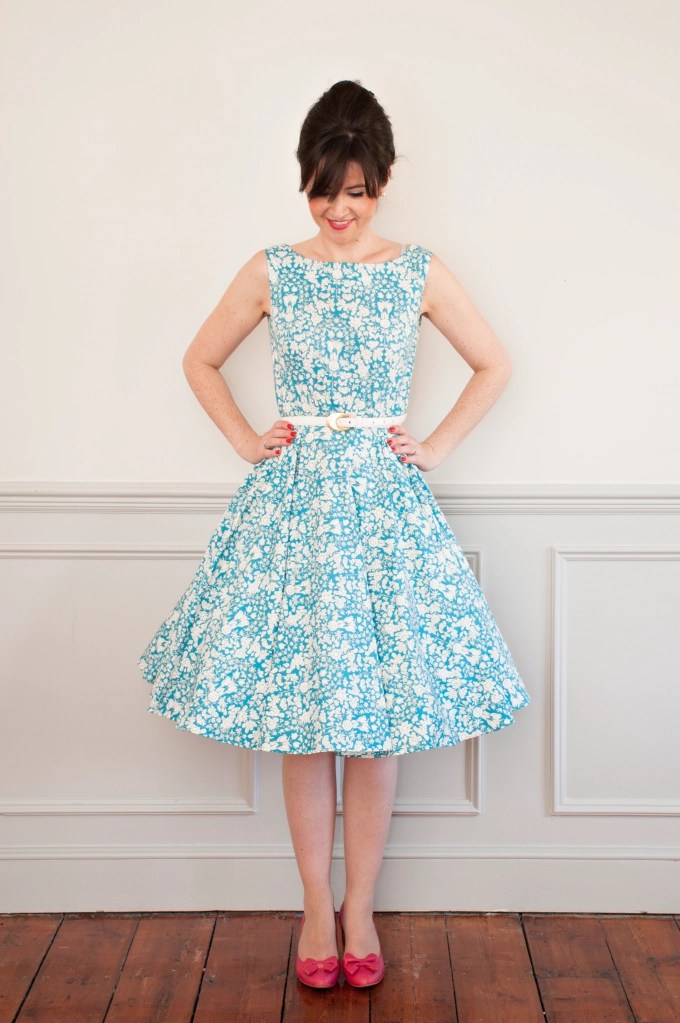
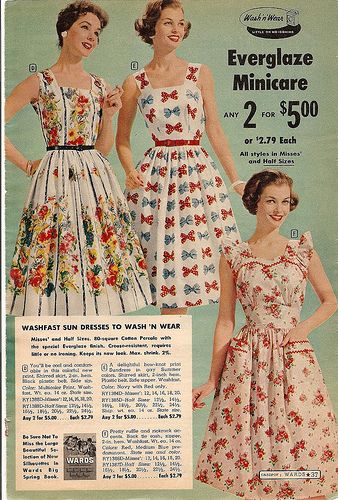
Of course, we can’t forget sundresses and big flowy skirts. Cotton was all the rage in the 1950s! Due to wartime rationing of the fabric, it wasn’t showing up in many garments in the 1940s. Rationing gone, it became a summer staple again. Many gorgeous sundresses, shorts, blouses, and skirts were fully embracing this!

Full gathered skirts and circle skirts with fun summery prints were seen everywhere. Including fun border prints! These would often be worn with bare arm blouses, halter tops, blouses that tied at the top, and many more summer-style tops.

Sundresses were made, often taking advantage of the abundance of cotton, also using fun prints and patterns. One of my favourite styles of sundress is the one that ties at the shoulders. You would also see a variety of dress styles, including shirt-waist, halter, and bare arms.

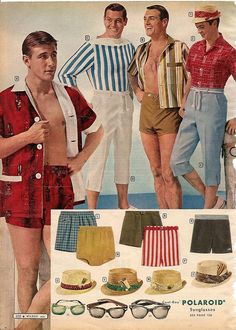
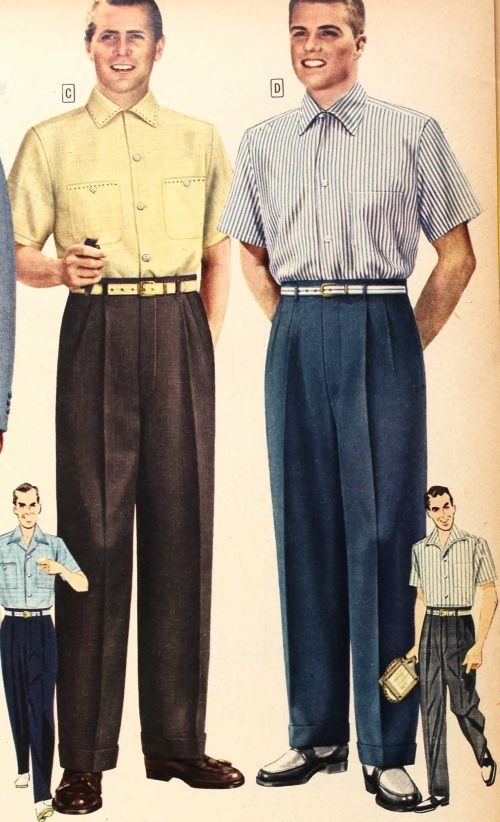
In menswear, you’re still going to see trousers and short-sleeved shirts, as well as that nautical style, that both men and women are wearing in the 1950s, as they did in the 1930s. One thing that you will see quite a bit more starting in the late 1940s is the Hawaiian shirts. That would become a summer staple for many men. 

Short-sleeved knit-style fabric was also very popular in menswear in the summers of the 1950s.

Another trend that was happening in men’s wear was that the nylon jacket was replacing the casual sports jacket. Though you’re still going to see sports jackets in the nautical style summerwear.

Along with women, men are also wearing shorts in the summer. Cabana sets, become very popular, especially for lounging around the pool.

In the summer of the 1950s and you will start to see more denim on men and women.  Honestly, there is nothing cuter than some rolled-up and denim pants, with a pair of espadrilles and a cute halter top or a short-sleeved blouse.

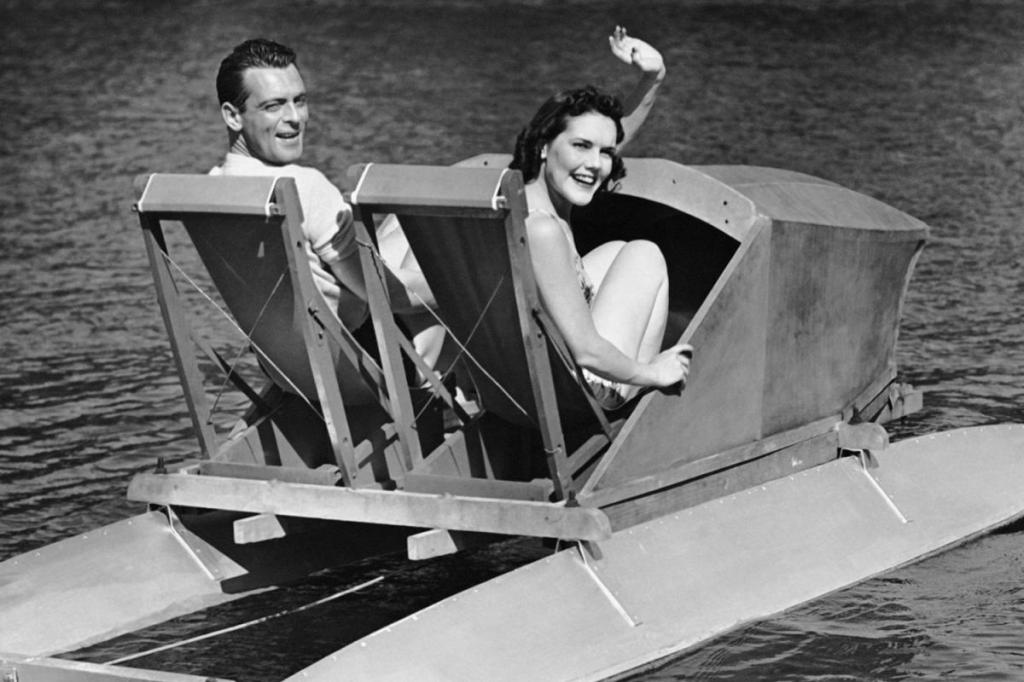
Whether you are lounging by the pool, the beach, sitting on a dock at the cottage, or hanging out around a campfire, summer styles of the 1950s were much more comfortable due to the use of cotton! I also feel that fun has returned to people’s wardrobes!

I hope you enjoyed this video. Please subscribe and give this video a thumbs up if you liked it. Also, I now have memberships on this channel, and those memberships include early access to weekly videos. Eventually, I’ll do semi-regular members-only chats, and you’ll get discounts on new products. I’ll also do some members-only posts, videos, and possibly some tutorials shortly. It does not cost that much to join, and it helps out my channel.

I have a Patreon. I would love it if you subscribed! I put detailed blog posts for each video I post.  https://www.patreon.com/killerkitschdesigns

I have a Ko-Fi account if you are inclined. All donations are appreciated and will help me upgrade my equipment (lighting, microphones, etc.). 
Stay Kitschy T-shirt! https://ko-fi.com/s/d1c506b10f

Thank you so much!  https://ko-fi.com/killerkitschlizzie

Other links to follow! Discord: https://discord.gg/yPeZRJpWpk

Instagram: https://www.instagram.com/killerkitsch13/
Facebook: https://www.facebook.com/killerkitsch13

Website: https://killerkitschdesigns.com/