

If you’ve ever heard the word beatnik, one of the first images that likely comes into your mind is of a lanky male or female dressed head to toe in black with a beret on their head, a turtleneck, slim slacks on their body, and loafers on their feet. As well, you may also associate them with poetry and smoky jazz cafes or coffee houses. However, there is so much more to the history of the beat generation. They were rebellious and spoke out against the way that society had changed after World War II. They were using their fashion style and their words to voice out against what they believed to be a world moving in the wrong direction.
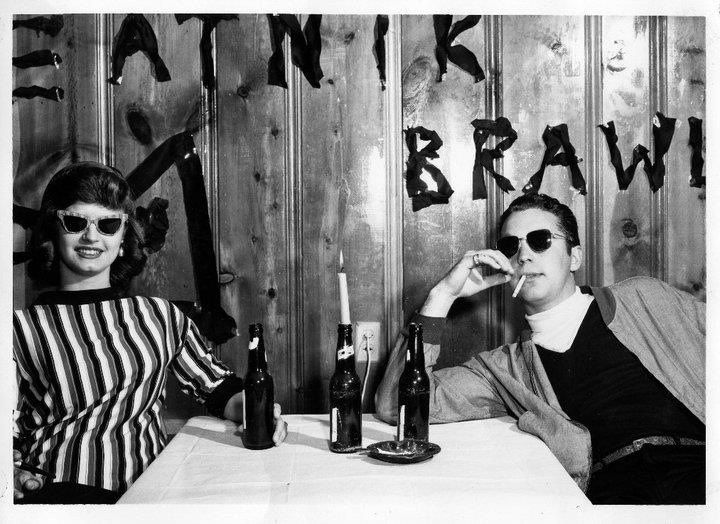
To find out more about the beatnik generation, its history, and its style, keep watching.
“The term ‘beatnik’ was coined by Herb Caen of the San Francisco Chronicle on April 2, 1958, blending the name of the recent Russian satellite Sputnik and Beat Generation. This suggested that beatniks were “far out of the mainstream of society” and “possibly pro-Communist.” Caen’s term stuck and became the popular label associated with a new stereotype—the man with a goatee and beret reciting nonsensical poetry and playing bongo drums while free-spirited women wearing black leotards dance.” {Wikipedia}
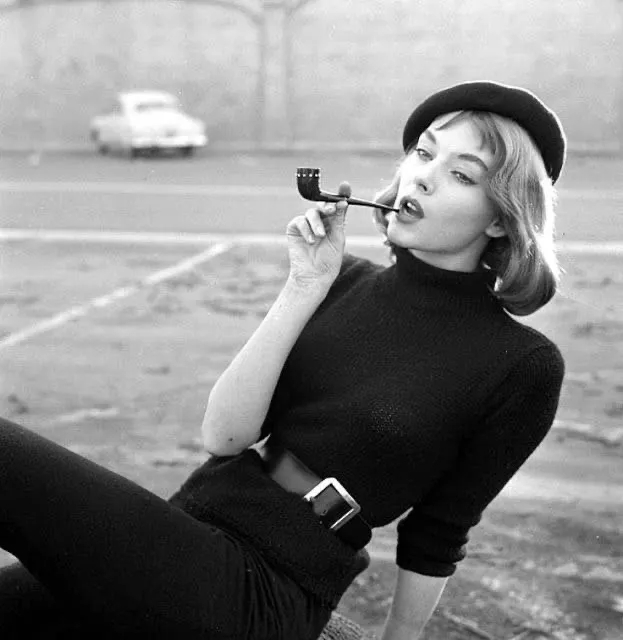
If you’ve ever watched a movie from the mid-1950s up to the early 1960s, you may have come across scenes that take place in Bohemian-style coffee shops. In those scenes, you’ll see poets or musicians doing some sort of beat style poetry, spoken word or music, and there were always bongos. One of my favorite movies with beatnik style is the Jimmy Stewart and Kim Novak movie called Bell, Book, and Candle. It also stars one of my favorite all-time actors, Jack Lemmon, who, of course, works in a coffee house and is part of the house band, and he plays the bongos.
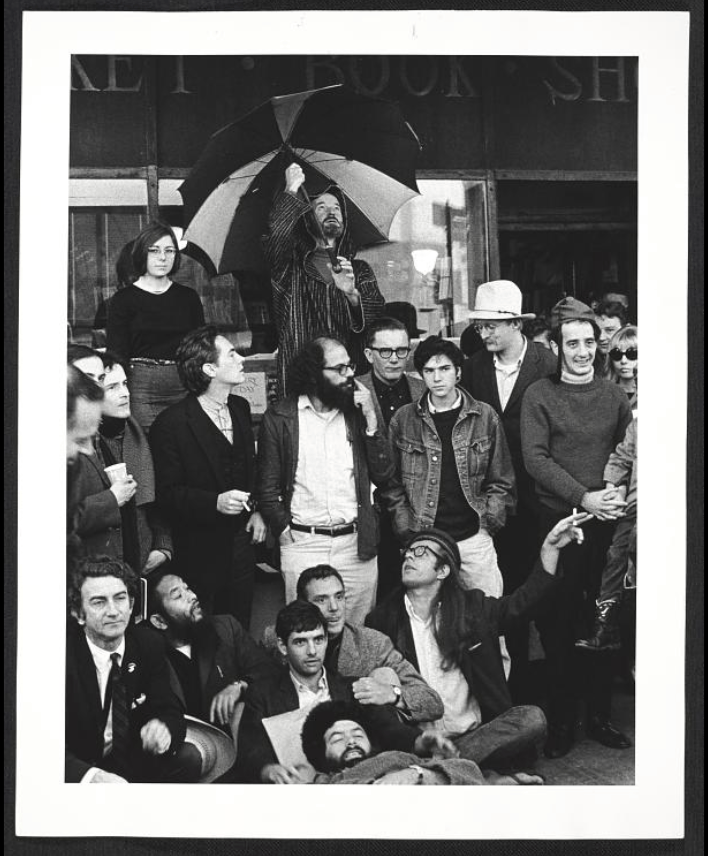
Before I get into what the beatnik style was, I want to talk about the history of the beatnik culture.
As with many fashion trends, it is usually inspired by some kind of culture or era, or some kind of artistic inspiration. Beatnik fashion is no different. Firmly linked to what is called the Beat Generation, it was considered a counterculture movement, and it was heavily influenced by artists, intellectuals, and anyone who was off the beaten path. and they usually frequented coffee houses, bookstores, jazz clubs, or some very smoky, underground-type establishments. It was a very Bohemian style culture. Toronto had its very own counterculture, artistically driven, Bohemian-style neighbourhood. That was Yorkville back in the ’50s and ’60s. Today, if you were to visit Yorkville, it is not anywhere related to what that culture was back then. Now it is very sheeshee, high-end, boutique stores, rich people’s playgrounds. A far cry from what it was during its beatnik generation era. Other little pockets in the city of Toronto also had a similar culture; the Annex was one of the other ones. Every major city would have an area that was dedicated to the beatnik generation. London, San Francisco, and New York are other examples of large cities that have a very colorful and interesting history in their culture. Speaking of New York City, this was where the movement began.
Beatniks were considered rebellious, and in their own way, they were rebelling against society. What was that way, you ask?
As with many artists over the centuries, they rebelled through their art, and with the beatniks were amongst those artists. The beatniks were rebelling against conformity, materialism, and what American society became after World War II.
After World War I, the world went through a cycle of wealth and insane spending, to the Great Depression, and then to war. When the Second World War ended, the world began having a cycle of wealth again. People had become materialistic, and their spending habits had changed greatly from the decade previous to the war. This was one of the things that the culture was rebelling against. They were critiquing what was now perceived as the American dream. Keeping up with the Joneses. The stages of life once again being: get married, own a house, have a car, and work at a job that you stay at for your entire life. The wife stayed at home and cooked, cleaned, and raised the children. As Bohemians, they wanted to live their lives freely, artistically, and not have to follow the rules of what was considered the standard way of life. Through their art, they were trying to find a way to liberate themselves from all of that.


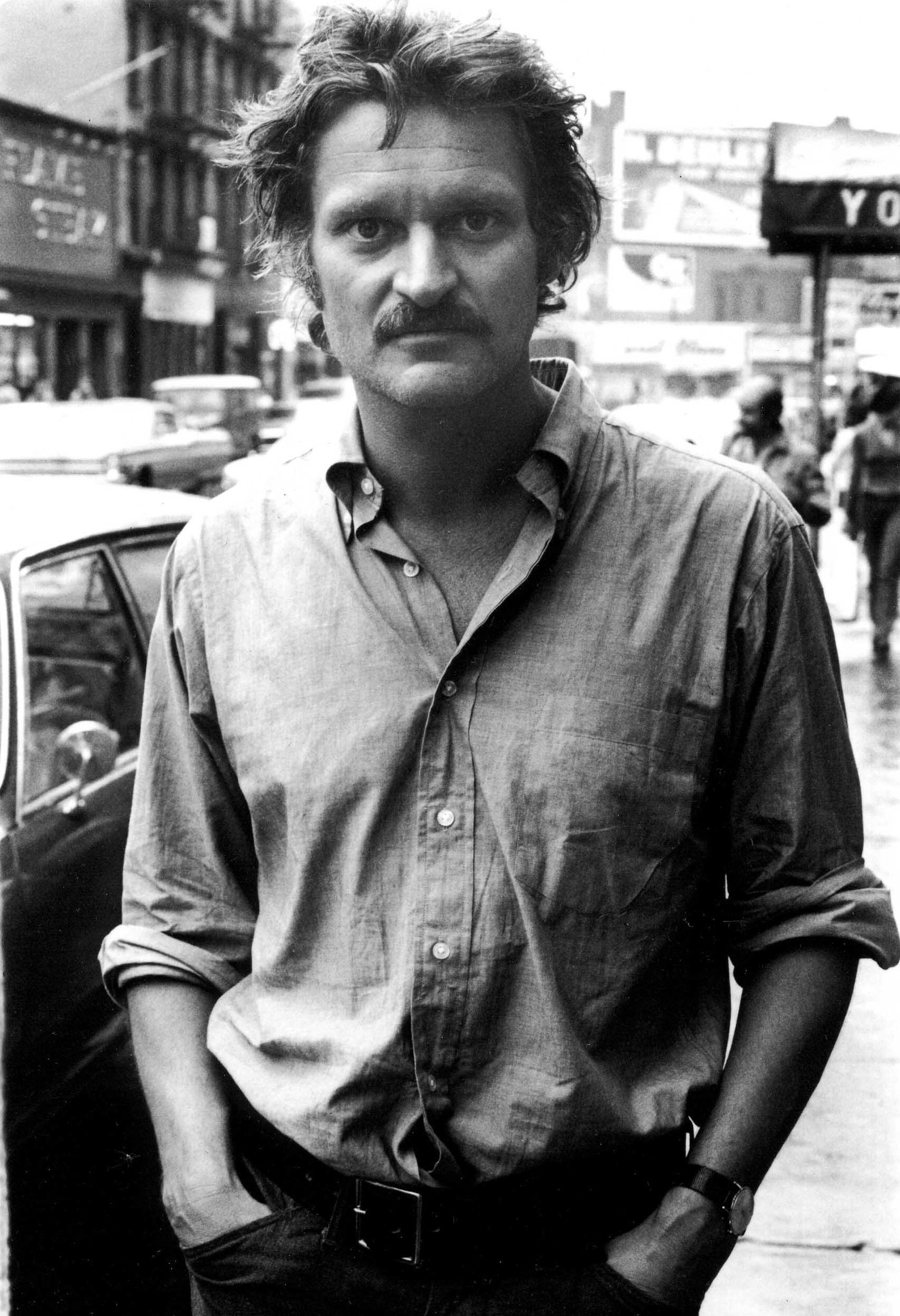


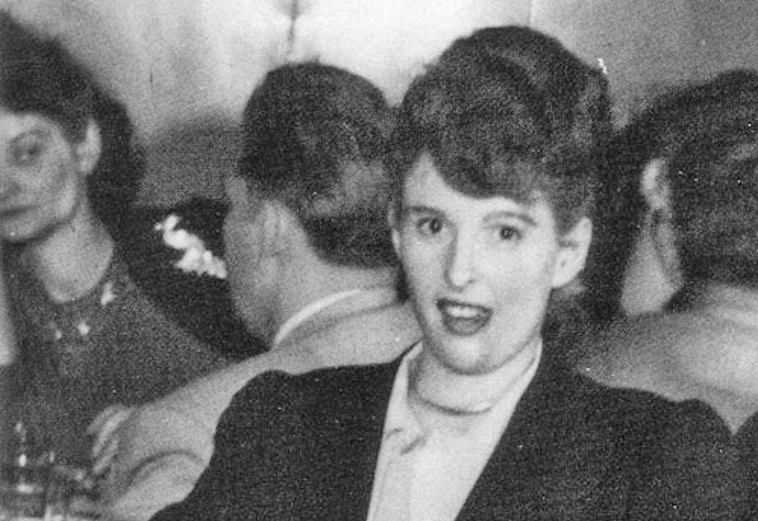


During this time, several writers and artists became incredibly well-known.
Writers such as Jack Kerouac, Allen Ginsberg, and William S. Burroughs are considered to be key figures in the movement. If you’ve read any of their works, you would see a very strong message in them about fighting against this conformity.
Other important poets, writers, and artists of that time would include Edie Parker, Ted Joans, John Asbery, and Ruth Weiss.

As I mentioned above, a huge part of the beatnik culture was the poetry scene and the music scene. Here in Toronto, I was part of both of those scenes. I ran a cabaret called Lizzie Violet’s Cabaret Noir, and part of that Cabaret was poetry and music. I was good friends with a lot of very Bohemian-style artists. One in particular was Nik Beat. Nik’s name was a variation of the word beatnik. Nik was a very well-known artist and poet in Toronto, as well as a huge supporter of the arts. He had a weekly show on the radio station CIUT. I performed on the show a few times, and I’m very grateful to have known him. Unfortunately, he passed away a few years ago, but as I was writing the script for this video, I was thinking about Nik as well as my time in that scene.


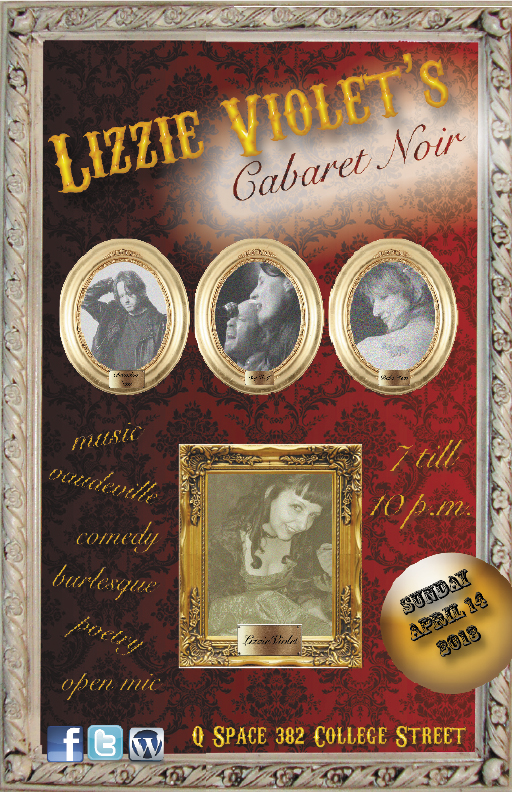
Along with running a cabaret, I was also a spoken word artist. Being a spoken word artist, I was also part of the poetry community. I’m no longer part of that scene as I had walked away from it when the pandemic happened, and at that point, I had already moved on to other artistic endeavors.
As promised, let’s talk a little bit about beatnik style.
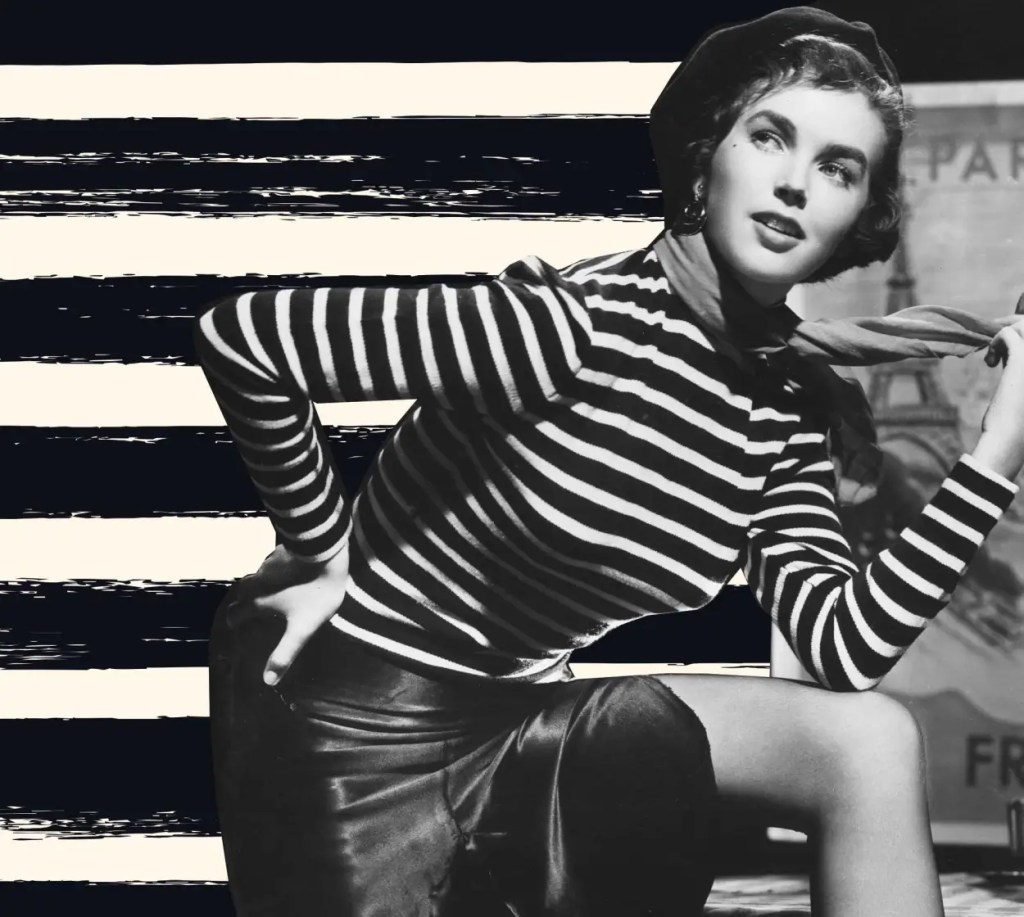

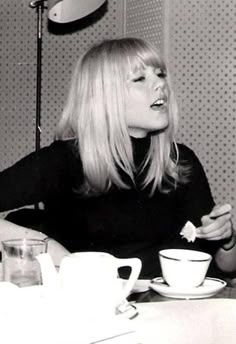

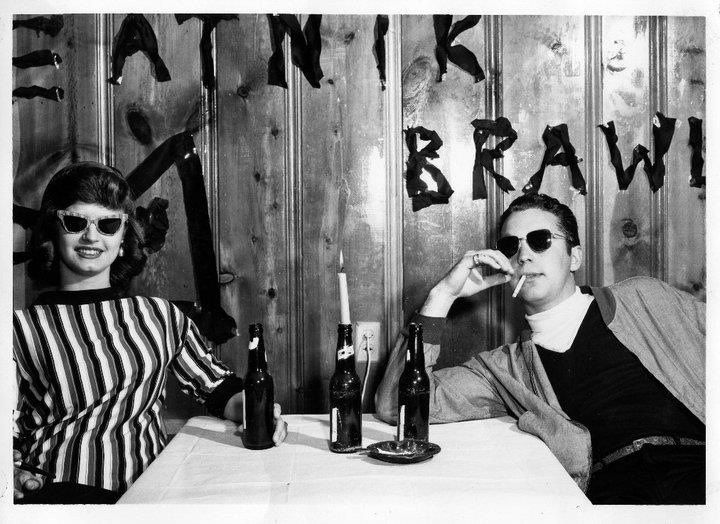
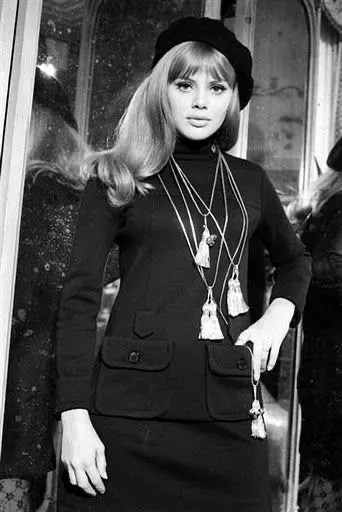
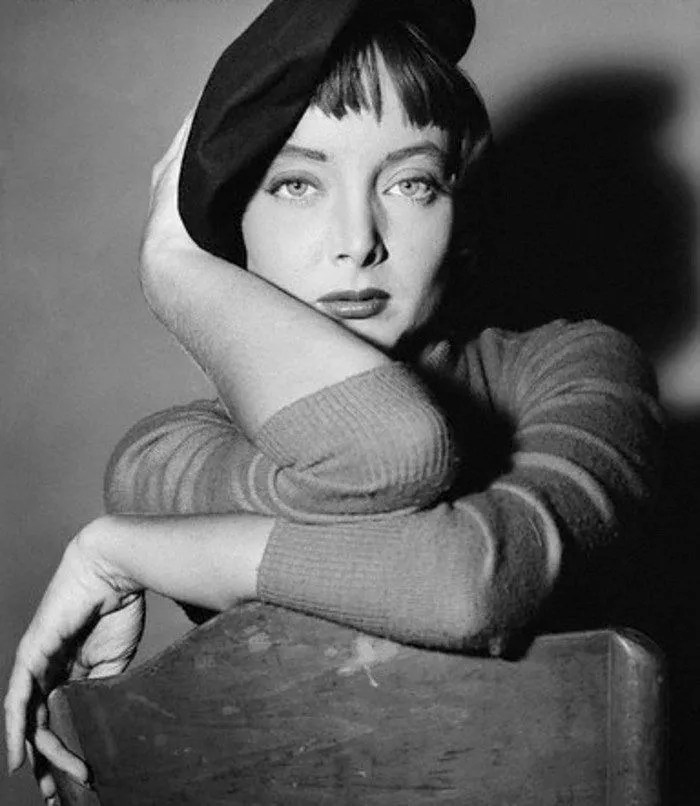
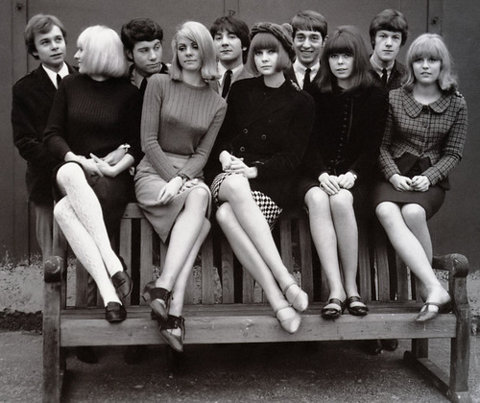
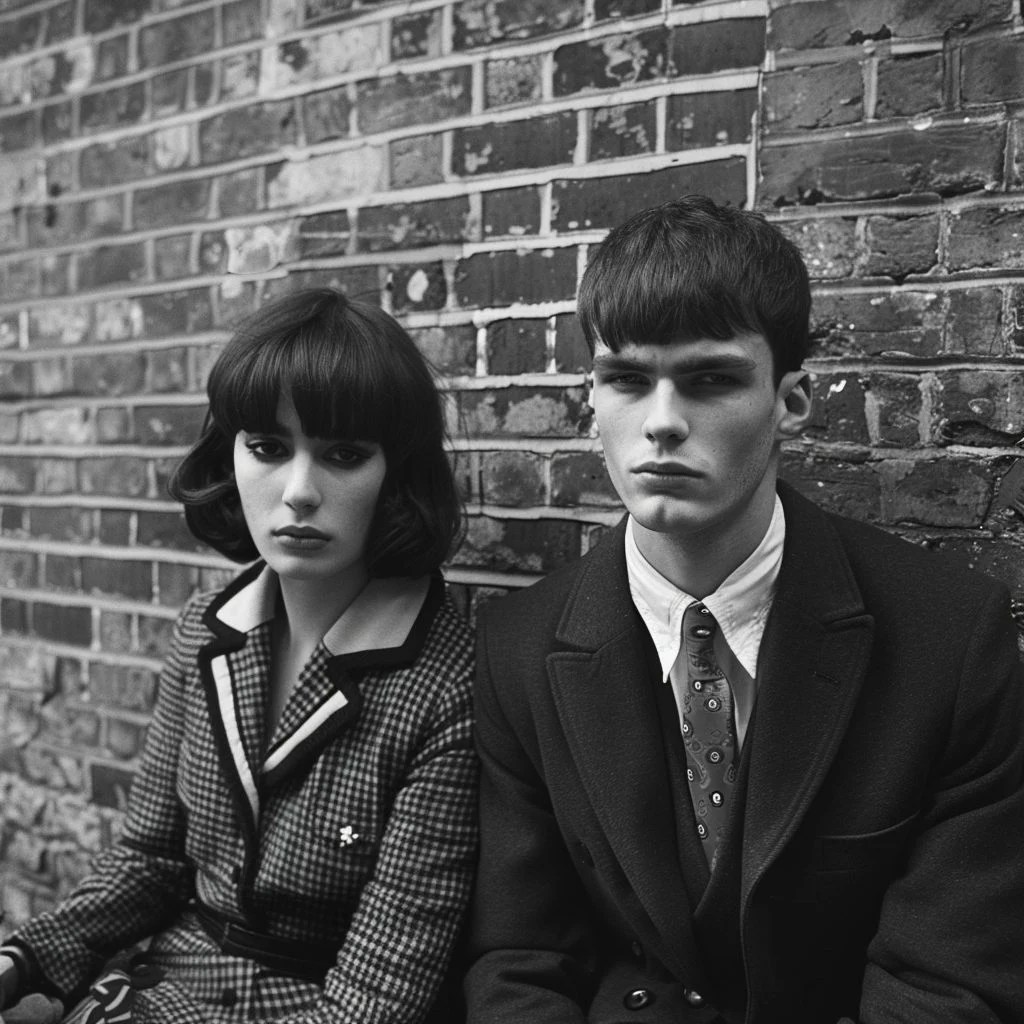

Beatnik style was a combination of a few different looks. Both men and women embraced this style, and one of the reasons was its simplicity. But I’m getting ahead of myself, let me tell you a little bit about exactly what beatnik style is.
Beatnik style was probably at its height towards the end of the 1950s, and it was usually described as a very minimalist, intellectual, and androgynous style. Men and women tended to wear very similar styles. This look would include mostly black clothing, occasionally another color would pop in, such as white, and it was a mishmash of turtlenecks, skinny tight pants similar to narrow-legged trousers or ankle-length capris, and the footwear was always comfortable. Women who were into beatnik fashion usually steered away from high heels or any kind of uncomfortable, fashionable footwear.
Another very well-known and very familiar beatnik style is the striped long-sleeved top. It would be in the fashion of either a turtleneck or a Breton-style top. Breton would be a wide, round-neck or boat neck shape.
Along with berets, as headwear, you would almost always see beatniks wearing sunglasses. It didn’t matter if they were indoors or outdoors. They were also very likely not to be sun worshipers in any sort of way. They would rather spend their time inside a dark, smoky coffee house.
Women’s hairstyles tended to be long and straight with bangs, a variation of the Bettie Bang that was popular in the 1940s. Bettie Page especially made that look famous. Men usually had longish hair with beards, and often their beards would be in the style of a goatee.
The beatnik minimalist look would not have any flashy patterns. As I mentioned above, the striped top was probably as flashy as they got.
Below are a few articles I read when doing my research for this video!
https://vagazine.com/exploring-beatniks-and-the-beat-generation-legacy/
https://en.wikipedia.org/wiki/Beatnik
https://www.anothermag.com/fashion-beauty/8395/how-beatnik-style-made-the-underground-mainstream
https://gbacg.org/finery/beatnik-fashion/
Would you consider your look to be Beatnik? If you were around in the 1950s, would you be part of the Beatnik culture?
I hope you enjoyed this video, please subscribe, give this video a thumbs up if you liked it and also, I now have memberships on this channel and those memberships do include early access to weekly videos, eventually I’ll do semi-regular members only chats, you’ll get discounts to new products, I’ll also do some members only posts, videos and possibly some tutorials shortly. It does not cost that much to join, and it helps out my channel.
I have a Patreon. I would love it if you became a member. https://www.patreon.com/killerkitschdesigns
If you are inclined, I have a Ko-Fi account. All donations are appreciated and will help me upgrade my equipment (lighting, microphones etc).
Thank you so much! https://ko-fi.com/killerkitschlizzie
Other links to follow! Discord: https://discord.gg/yPeZRJpWpk
Instagram: https://www.instagram.com/killerkitsch13/
Facebook: https://www.facebook.com/killerkitsch13
Website: https://killerkitschdesigns.com/
 Killer Kitsch Designs