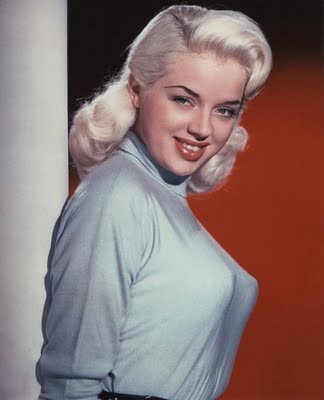
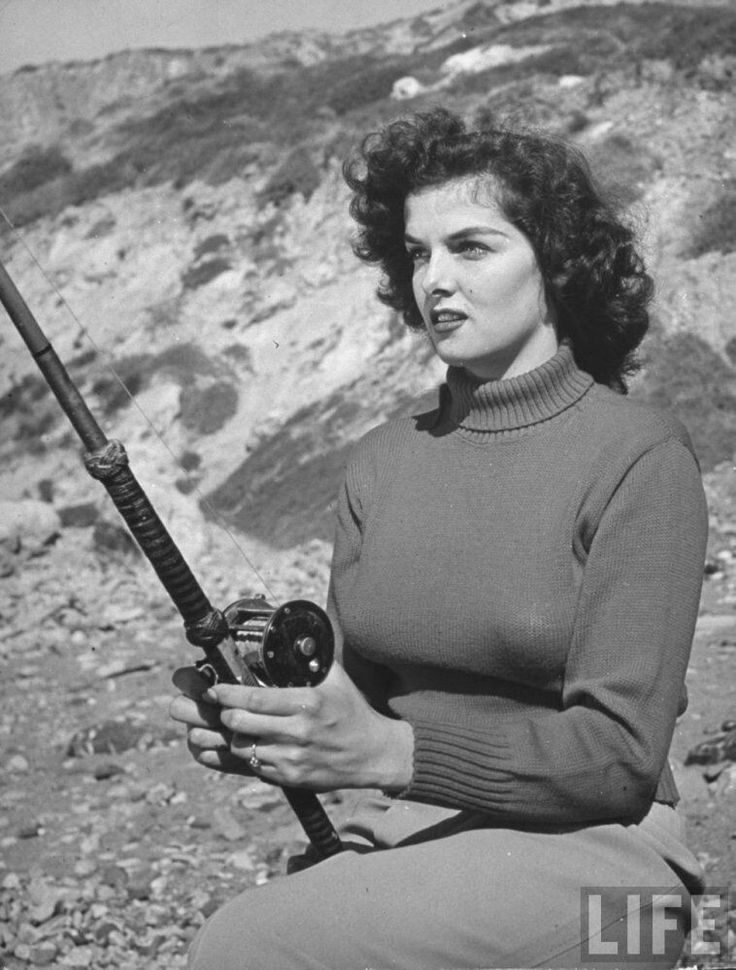
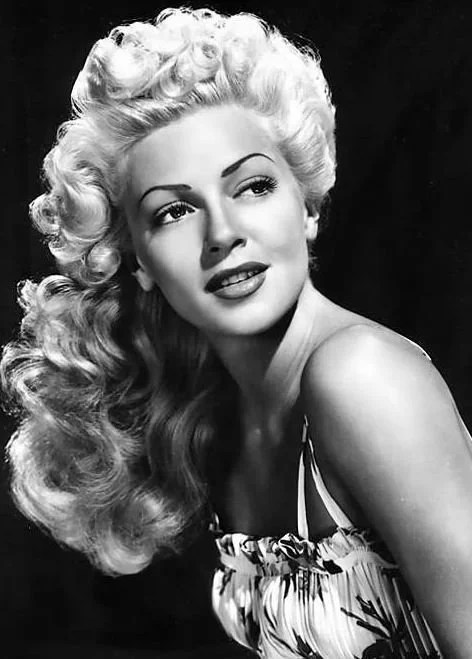
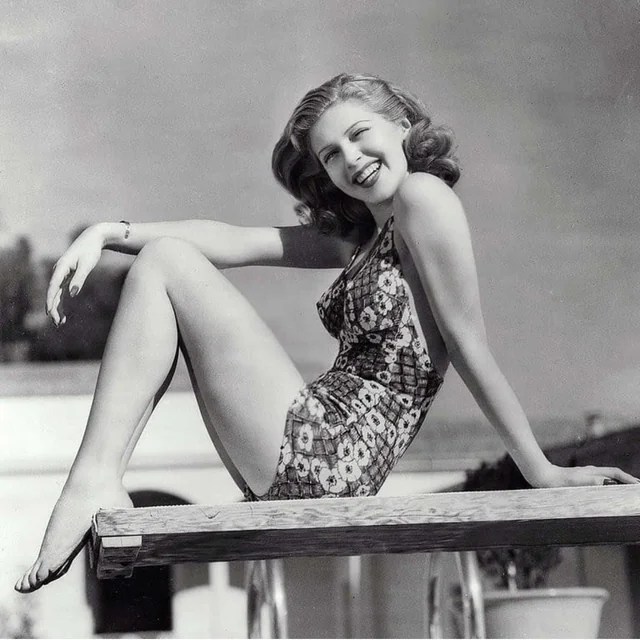
1940s, 1950s, bobby soxers, jane russell, jayne mansfield, lana turner, marilyn monroe, sweater girl

Rebellious Fashion: The Sweater Girls

When you hear the word sweater girl your mind might automatically go to Marilyn Monroe or the many curvaceous women of the 1950s. However, the term sweater girl and the fashion itself started long before that. If you want to find out more about the origins of the sweater girl, watch this video.

It’s the mid-1940s, and the world is at war. Many young men are off to fight the biggest battle of their lives and are likely away from home for the very first time. They’re also incredibly stressed out. During this time, women’s fashion was also changing drastically, and one of those changes was the sexy, tight-fitting sweater. Not only was this a way for women to show off their curves, but the sweater girl also became a symbol of World War II and a way to help distract men from their daily lives as soldiers. That isn’t when the sweater girl trend began. It actually started much earlier than that, and the original model for the sweater girls was not Marilyn Monroe,  as many people believe.

To learn the origins of where the sweater girl started, we need to go back to the year 1937. Before we dive into the history, let’s just talk a little bit about what exactly a sweater girl is.

The sweater girl was a 1940s and 1950s fashion trend that originally was very popular amongst Hollywood actresses, and as with a lot of fashion trends, young women started to emulate the way that these actresses looked. For many, it was a way to express their sexuality in a time when women were still supposed to look a certain way. That style itself was also very controversial, as many would say that women dressing in such a sexy way was showing society’s moral decline. When in fact this was giving women a sense of empowerment, and of course, many didn’t like that.
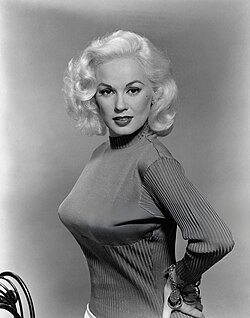
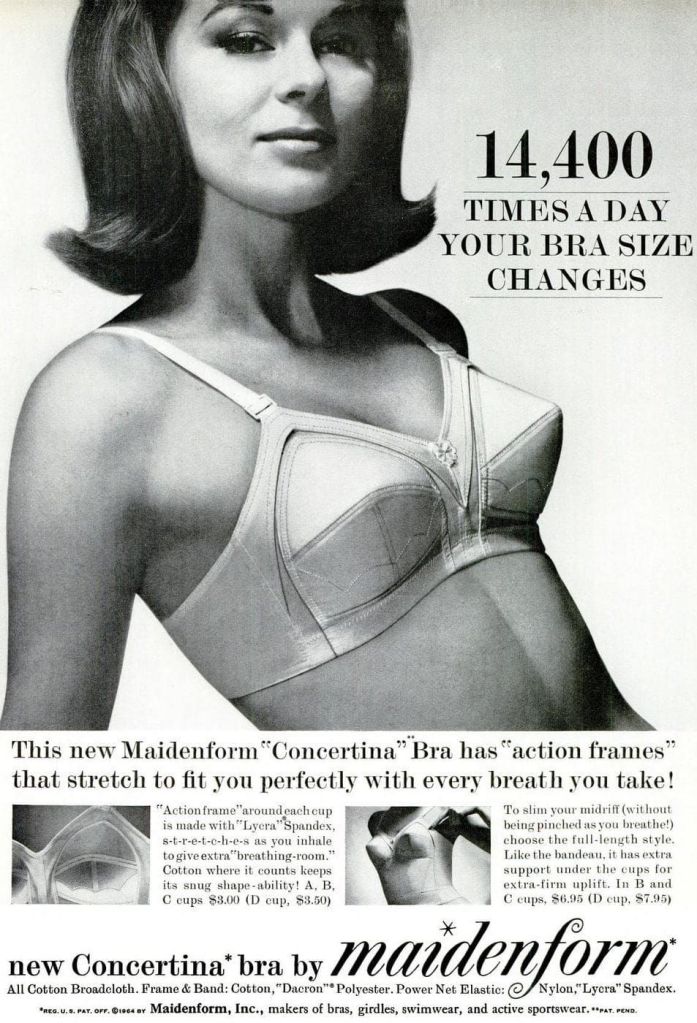
To add to the sexiness of the very fitted sweater, it was often worn with bullet bras and either pencil skirts or capris, or other tighter-fitting pants. You even see photos of women wearing tight-fitting sweaters with shorts. 

Let’s get into the history of the origins of the term sweater girl.

It’s said that the original actress who encapsulated the ultimate sweater girl was Lana Turner. She was dubbed sweater girl in 1937 after appearing in a very sexy fitted sweater in the film They Won’t Forget. Trust me, no one forgot how absolutely sexy she looked. From that moment on, other actresses realized how much attention they could get with these very snug-fitting garments and also began wearing them. This new fashion trend then created what the world viewed as a new version of a sex symbol. 
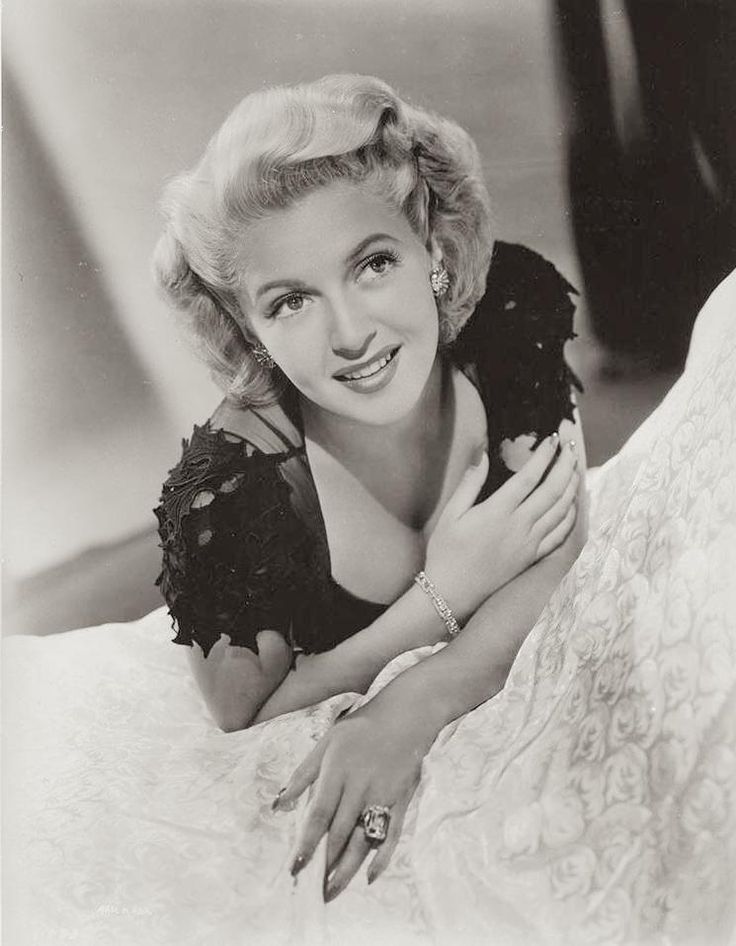
It’s also said that Lana Turner’s picture was very popular with soldiers during World War II. Along with Lana, soldiers would have many photos of other actresses and pin-up models with them. Apparently, this was a source of comfort for them, and it helped them a bit when they were homesick. It was also a great way for them to be distracted from the horrors going on around them. 

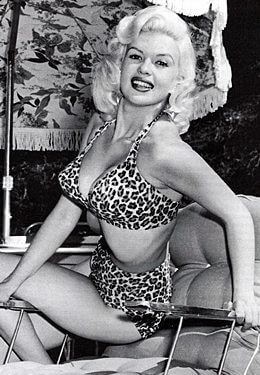
The popularity of the sweater girl grew when actresses such as Jayne Mansfield, Jane Russell, Patti Page, and, of course, Marilyn Monroe started also wearing the tighter-fitting sweaters. 

The styling of the tight-fitting sweater could be in a variety of different ways. It could be plain with either a turtleneck or some variation of a scoop neck, and occasionally a V-neck, but not as often. Very often, as well, they would be embellished with either embroidery, sequins, or some sort of beading. Often, you would see these in sweater sets as well. These beautiful sweaters not only highlighted the beautiful hourglass figures due to their form-fitting shape, but they also got a little bit of help with the famous bullet bra.
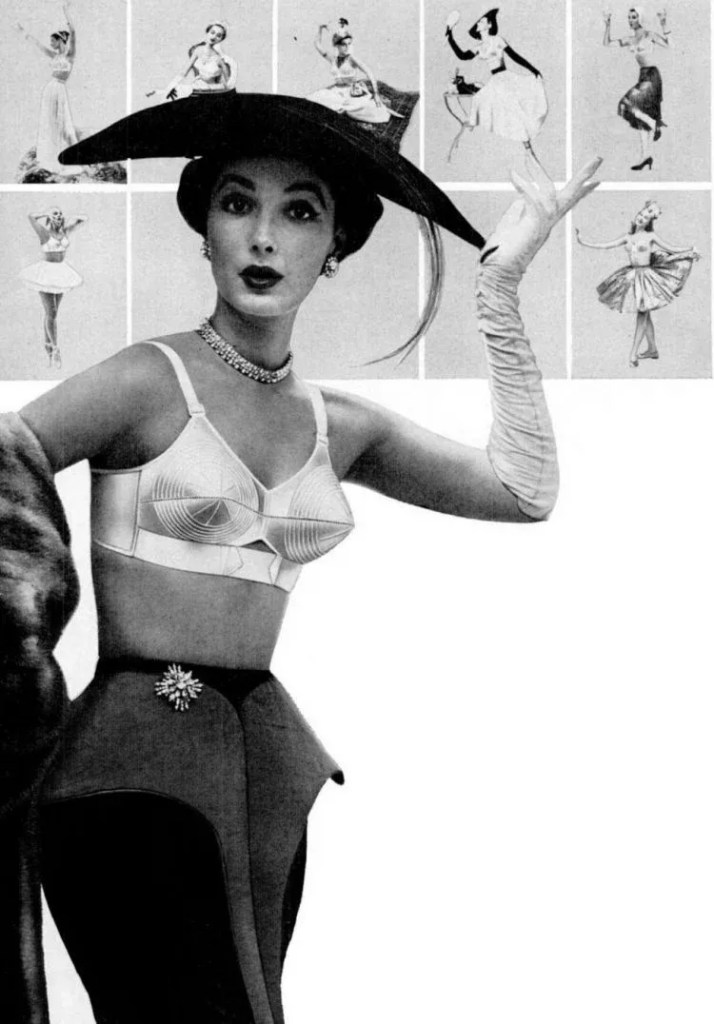
At this time, we were also seeing more progress in the way that fabric was being made. You could get fabric for sweaters that was made with cashmere or angora, and even yarn for knitting that had become softer. It wasn’t that itchy scratchy wool any longer. Because fabrics such as cashmere and angora fabrics could also be made thinner and this would also add to the ability to have it more form-fitting. Occasionally, sweaters would also be made with cotton, though at that time, I don’t think cotton would hold up as well as wool. I feel like it would have eventually lost shape a little bit. Over time, of course, cotton did improve with technology.

I absolutely love the look of bullet bras, and they’ve become very, very popular in today’s pin-up culture and rockabilly culture. The sweater girl look has never really vanished. Many companies make modern versions of the bullet bras, as well as you can still find vintage ones. Unfortunately, a lot of vintage lingerie and underpinnings don’t hold up to newer ones. In a lot of cases, the elastic fabric needed for flexibility in a brassiere often deteriorates, and a lot of the structure is lost because of that. Though I do see a lot of vintage lovers posting about finding original bullet bras. I’m sure if you are somebody who sews or you know somebody who does, parts of that bra can be fixed in order to make it wearable again.

As I mentioned earlier with the evolving exposure of the women’s figure can cause controversy around the tight-fitting sweaters. another clutch your pearls moment of women wanting to show off their bus lines and their wastes. Many felt that this was the moral downfall of youth post-World War II, even though this trend started before the war. According to a couple of articles that I read about this, they were saying that the bobby sockers were the worst influencers of all of the women. During this time, bobby soxers were usually either teenagers or women in their early twenties. I think every generation picks that sort of age range to blame for the downfall of society. 

There is even a movie called The Sweater Girl. The Sweater Girl is a 1942 film that was written by Robert Blees and Beulah Marie Dix, and it was directed by William Clemens. This movie also starred actors Eddie Bracken, June Preisser, Philip Terry, and Betty Jean Rhodes. The movie was a low-budget comedy, and the plot is about college students attempting to solve a series of murders on campus, while at the same time, they’re trying to put on a big show for the school.

Then, in 1944, Navy Screen Magazine did a one-reel short that showed portions of the special Armed Forces Radio Network recording session. This session was with Bob Hope, where he introduces Judy Garland as a sweater girl before she begins to sing Over the Rainbow. Apparently, Garland asked Bob Hope why he thought that the men in the audience were so crazy about sweater girls, and of course, in his wisecracking lines, he said, “That’s one mystery I’d like to unravel”. Very typical of Bob Hope of that era.

As I mentioned in the video, here is a guide if you would like to try out the sweater girl look!

1. Sweater & Top

  • Fit: Choose a form-fitting sweater that hugs the bust and waist. Stretchy knits or wool blends work best.
  • Neckline: Crew neck, scoop neck, or slightly sweetheart-shaped. Some vintage styles had subtle puffed shoulders.
  • Length: Tuck the sweater into your high-waisted skirt or pants to emphasize the waist.
  • Colors: Pastels, red, black, or cream were classic. Solid colors are more authentic than bold prints.
  • Optional Details: Buttons or small embellishments, like a tiny bow or knit pattern, add retro charm.

2. Skirt & Bottoms

  • High-Waisted Pencil Skirt: Knee-length or just below the knee, fitted but not overly tight.
  • A-Line Skirt: Offers a softer, more playful look while still accentuating the waist.
  • Wide Belts: Cinch the waist further; a simple leather or fabric belt works perfectly.
  • High-Waisted Pants: For a slightly more casual look, tailored trousers with a defined waist also work.

3. Hair

  • Victory Rolls: Iconic 1940s rolled hairstyle.
  • Soft Waves: Loose, side-parted waves for a more 1950s look.
  • Updos: Simple chignons or ponytails with curls at the ends work well for a polished look.
  • Accessories: Hair scarves, ribbons, or vintage-style hairpins complete the look.

4. Makeup

  • Eyes: Neutral eyeshadow, winged eyeliner, and defined brows.
  • Lips: Classic red or pink lipstick, matte or slightly glossy.
  • Cheeks: Subtle blush to highlight the cheekbones.
  • Optional: Light mascara or false lashes to enhance the eyes.

5. Shoes & Accessories

  • Shoes: Pointed-toe pumps, Mary Janes, or classic kitten heels.
  • Bags: Structured handbags or small clutch bags.
  • Jewelry: Simple pearl earrings or a delicate necklace.

Additional links:

1930s Summer Fashion: https://youtu.be/2dVsUeQXpkg
Tasha Could Make That: https://tashacouldmakethat.com/
Andi Satterlund: https://www.patreon.com/c/AndiSatterlund/about
Poison Grrls: https://www.poisongrrls.com/

If you enjoyed this video, please subscribe, give this video a thumbs up if you liked it and also, I now have memberships on this channel and those memberships do include early access to weekly videos, eventually I’ll do semi-regular members only chats, you’ll get discounts to new products, I’ll also do some members only posts, videos and possibly some tutorials shortly. It does not cost that much to join, and it helps out my channel.

I have a Patreon. I would love it if you became a member.  https://www.patreon.com/killerkitschdesigns

If you are inclined, I have a Ko-Fi account. All donations are appreciated and will help me upgrade my equipment (lighting, microphones etc).

Thank you so much!  https://ko-fi.com/killerkitschlizzie

Other links to follow! Discord: https://discord.gg/yPeZRJpWpk

Instagram: https://www.instagram.com/killerkitsch13/

Facebook: https://www.facebook.com/killerkitsch13

Website: https://killerkitschdesigns.com/

1950s, sewing, shirtwaist dress, vintage sewing

Shirtwaist September & a Sneak Peek!

Well, it’s that time of the year again! The air is getting crisp, the evenings cooler, and soon the leaves will start changing to hues of red, orange, and gold. Yes, this sounds like it’s Autumn, and it is; however, it’s also Shirtwaist September! In this video, I’m going to show you my makes for Shirtwaist September, and a few sneak peeks for some very exciting, upcoming projects. If you want to find out more, watch this video.

As I mentioned, it is Shirtwaist September. This is a yearly event, and in September. This event is hosted by Sewrena and Ashley Main Makes. You can find all of their posts over on Instagram. I have the links below. 

Ashley Main Makes – https://www.instagram.com/ashleymainmakes?utm_source=ig_web_button_share_sheet&igsh=ZDNlZDc0MzIxNw==

Sewrena – https://www.instagram.com/sewrena_?utm_source=ig_web_button_share_sheet&igsh=ZDNlZDc0MzIxNw==

This is the first year I’ve actually been able to participate, and fortunately, my September Patreon coincided with this fun themed month. The Beverly is a shirtwaist dress and a pattern that I am madly in love with. I plan on making a few more, as this dress is perfect for transitioning seasons throughout the year. It can be made for any season, and all you need to do is change the type of sleeve you put on it, as well as the type of fabric you use. It’s perfection. 

If you want to make this pattern, head over to my Patreon and become a monthly member. 

The red gingham version is based on a character that Beverly Garland plays in a movie called Not of This Earth. It is a 1950s  sci-fi B-movie,  as well as one of my favorite movies of Beverly’s. This pattern is from the Haslam System of Dresscutting, and I have a full tutorial over on Patreon showing you how to draft the pattern, as well as giving you tips and tricks for sewing the dress up. There are two versions of the dress. The red Gingnam one has a gathered skirt. I did that because I wanted to have my initial project replicate the dress that Beverly wears in the movie. The purple dress is the full pattern from the Haslam System of Dresscutting. If you are either already a Patreon member or you become one and make this dress, please use the hashtag #thebeverlybodice.  This way I can find you and share your photos.

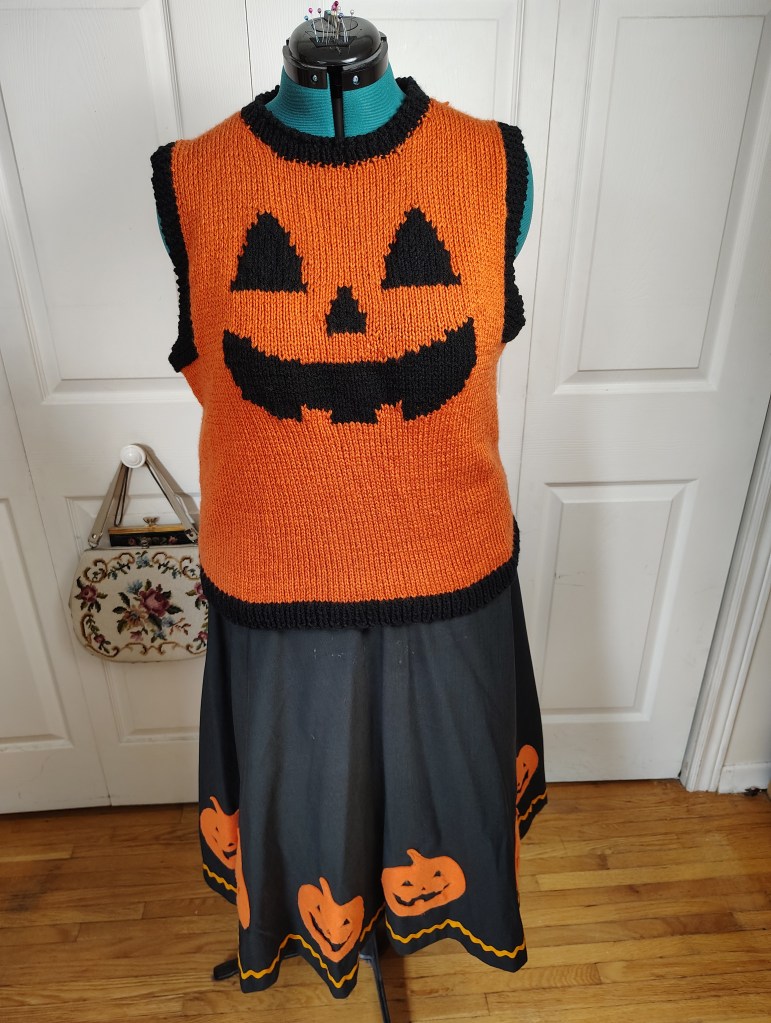
Next up is a sneak peek of a pattern that I’ll be releasing at the beginning of October. Currently, it is out to my testers, and I just finished all of my versions of it. Or rather, the ones I’m going to make for now, as I love this vest and I do want to make a few more. I am on the hunt for glow-in-the-dark yarn so I can do a glow-in-the-dark version of the ghost; however, the only one I could find so far as the gauge doesn’t match the yarn it was originally using. This is a super fun pattern to make. You can also forgo the intarsia images and just knit this plain. It’s super fast, and knitting it is a lot of fun. So stay tuned for that, and when I release it, it will be on my Patreon as well as on my Ravelry.

I am already starting to write up my next knitting pattern. I’m hoping to have it out to testers in the next month or so. I’m also hoping to have that one ready to go for Christmas!

I’m not going to show you a sneak peek of the next item as I am working away on my October Patreon project. It is another fun B-movie theme. Just so you know, for this year’s Patreon (it runs from August to the end of July), the theme is B-movies of the late  1940s up to the early 1960s. I am a super huge fan of B movies, as I’ve mentioned several times in videos.

I have a lot more exciting things for each month over on Patreon!

Because of all the stuff I’m doing on Patreon, I have not gotten very far in my forgotten ones pile of sewing. I’m hoping to have a day or two, or I can get through that and finish some of those off. So there really isn’t much of an update about that project.

This video was short and sweet, with a few updates about what’s going on! let me know what you’ve been working on.

If you enjoyed this video, please subscribe, give this video a thumbs up if you liked it and also, I now have memberships on this channel and those memberships do include early access to weekly videos, eventually I’ll do semi-regular members only chats, you’ll get discounts to new products, I’ll also do some members only posts, videos and possibly some tutorials shortly. It does not cost that much to join, and it helps out my channel.

I have a Patreon. I would love it if you became a member.  https://www.patreon.com/killerkitschdesigns

If you are inclined, I have a Ko-Fi account. All donations are appreciated and will help me upgrade my equipment (lighting, microphones etc).

Thank you so much!  https://ko-fi.com/killerkitschlizzie

Other links to follow! Discord: https://discord.gg/yPeZRJpWpk

Instagram: https://www.instagram.com/killerkitsch13/

Facebook: https://www.facebook.com/killerkitsch13

Website: https://killerkitschdesigns.com/

1940s, 1950s, 1960s, 1970s, caftan, history

The History of the Caftan

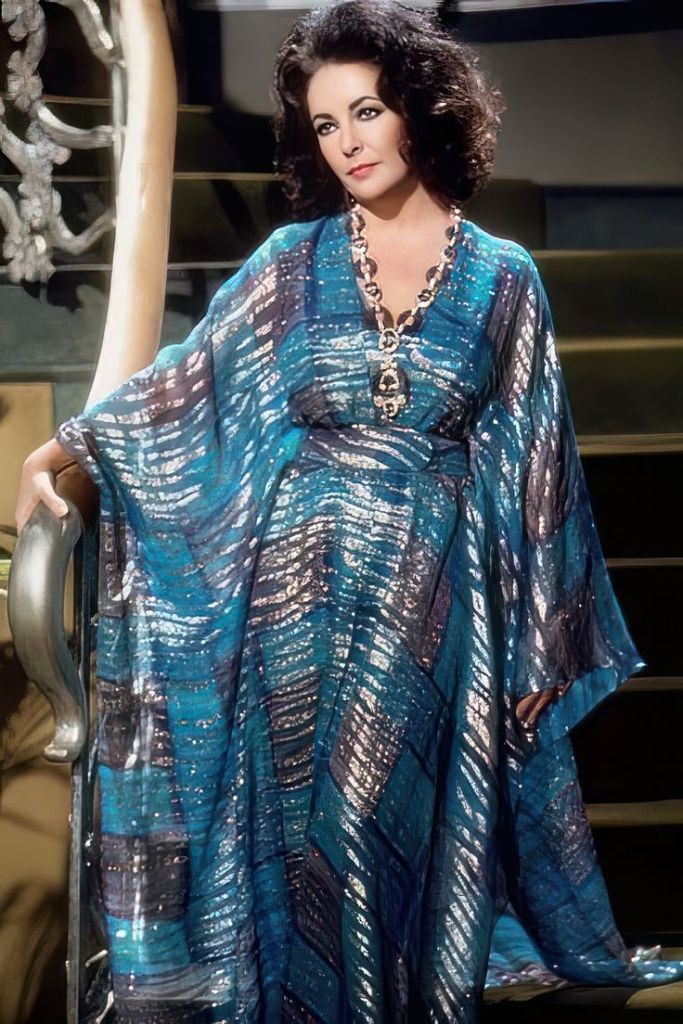
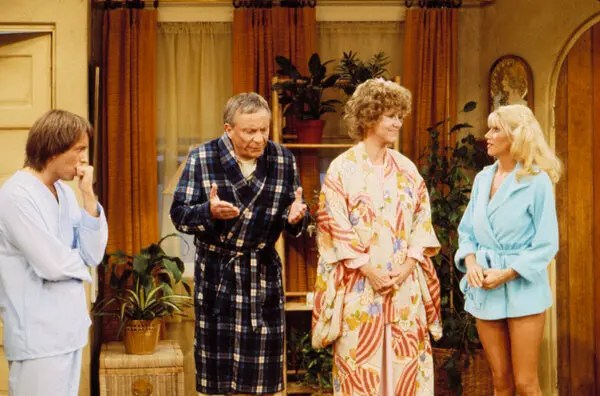
When you think of a caftan, you might immediately visualize Elizabeth Taylor swooning around in her beautifully flowing silk robes, or your mind may float its way to the 1970s and Bea Arthur in Maud, or even Mrs. Roper for the 1977 – 1984 sitcom Three’s Company. The caftan has recently experienced a resurgence in popularity, partly due to the Tiki Community, as well as vintage reproduction sewists who have been scooping up caftan sewing patterns. Social media is abuzz with the stylish, loungeworthy garments! I even have plans to make one or two myself. The caftan, however, isn’t a modern invention; it has a long, rich history that goes beyond the 1970s. If you want to find out more about the Caftan, watch this video.

What is a caftan/kaftan?

Before we dive into the history of the caftan, I wanted to explain why I am doing these types of videos. In today’s culture, we wear garments based on other cultures, and there is an important history behind these garments. If we’re going to wear or design clothing based on any of this, we must understand the history of that particular culture. The vintage and vintage reproduction community embraces historical clothing and costumes, and sometimes we are so excited about finding a vintage piece or a pattern to replicate that we tend to forget its origins. I think it is really important to understand this. Right now, the caftan has made a massive resurgence, and this is partly due to the tiki community. As well, we’re now seeing a lot of people scooping up old caftan sewing patterns, and modern designers are recreating the patterns so everyone can access them. I think this is wonderful, but this is an example of what I just mentioned. We need to understand where it all began.

I also want to mention this is not going to be a super in-depth history lesson about the caftan. I wanted to give you a brief history before we talk about modern looks and where you can find resources and ways to recreate the caftan. I have been intrigued for a very long time about this garment, and I have waffled back and forth about doing a more in-depth series specifically about the different cultures and eras that have worn the caftan. If this is something that is of interest, please let me know when I can do a multipart series about the history of the caftan.

Now on to the history.

A caftan is a garment whose design is a variation of a robe or tunic. I’ll get a little more in-depth about where it possibly originated, but the general knowledge of the caftan is that it originated in Asia, and it’s been worn by many different cultures around the world for thousands of years. Some cultures also have slight variations on the caftan.

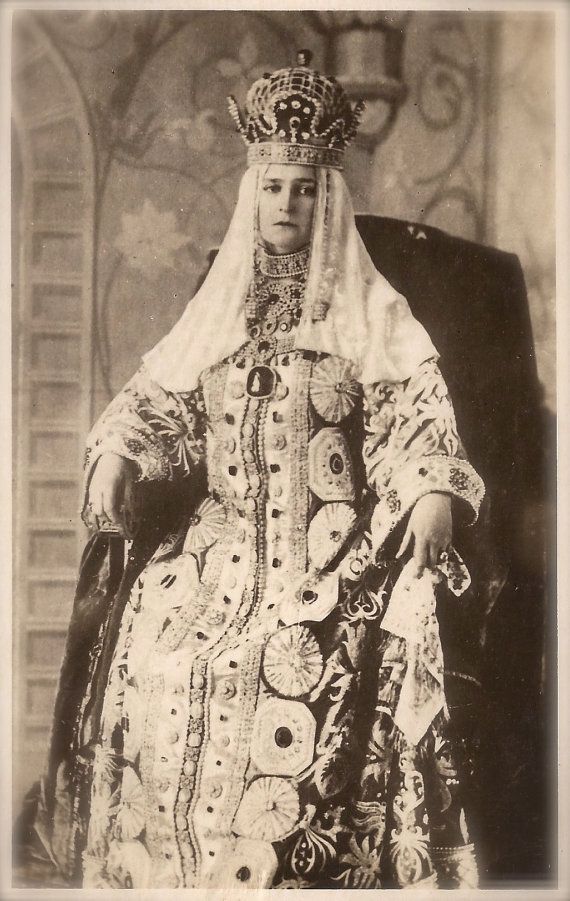
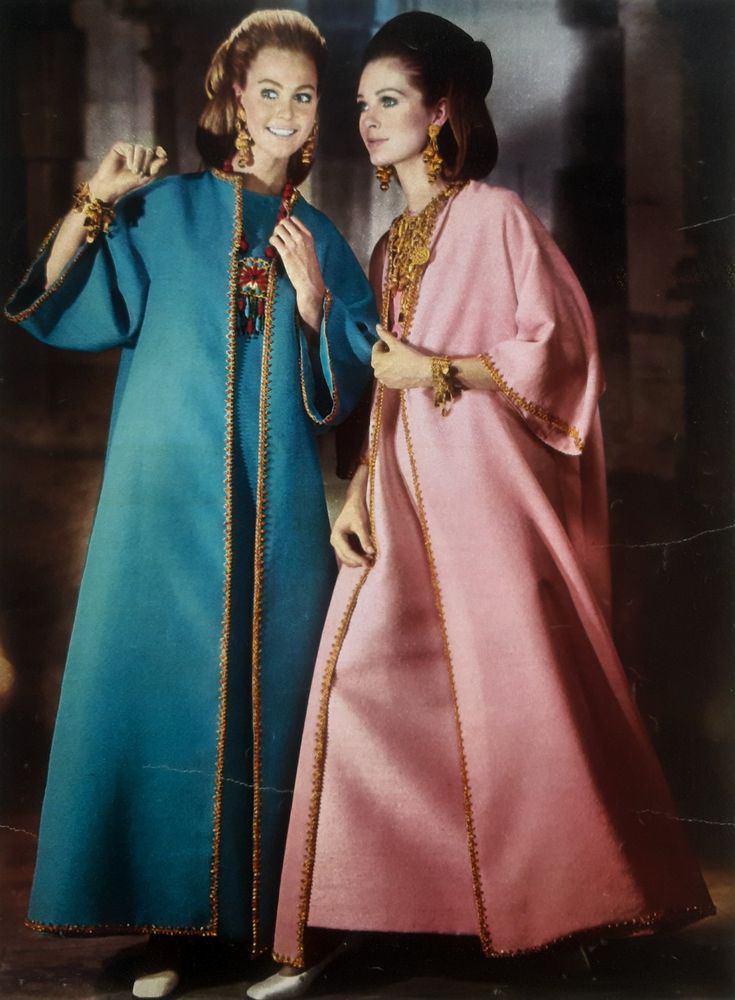
A caftan can be made in a variety of different fabrics, including wool, cashmere, silk, or cotton, and most of the time it is either worn with a sash or it has a sash built into the garment. It can be made with a plain fabric or it can be incredibly elaborate with beading, sequins, and embroidery. Plainer fabric caftans would normally be worn by everyday people, and ones that are much more elaborate would usually be worn by heads of state or royalty. 

In some cases, it would be worn as a day-to-day garment, and in other cases, it would be a coat or part of an entire ensemble. Most would also be floor length as opposed to some more modern ones, where they are just below the knee. But in almost all cases, they would be flowing and very loose-fitting for comfort.

Now that we know a little bit more about what exactly a caftan is, let’s talk about where it all began. 

Every piece of clothing you wear has a history, inspired by another garment of our past, whether it be a more recent past or centuries ago. The caftan is one of these garments and is much older than you might imagine. There has also been a lot of discussion around exactly where the true origins of the caftan come from. Some believe it is based on the Japanese kimono, while others argue that the original caftan is based on the caftan worn in the 830s, Byzantine Empire. When you look at today’s caftans, they resemble more of a Middle Eastern style caftan as opposed to the kimono; however, I do see why you would think it comes from one or the other.

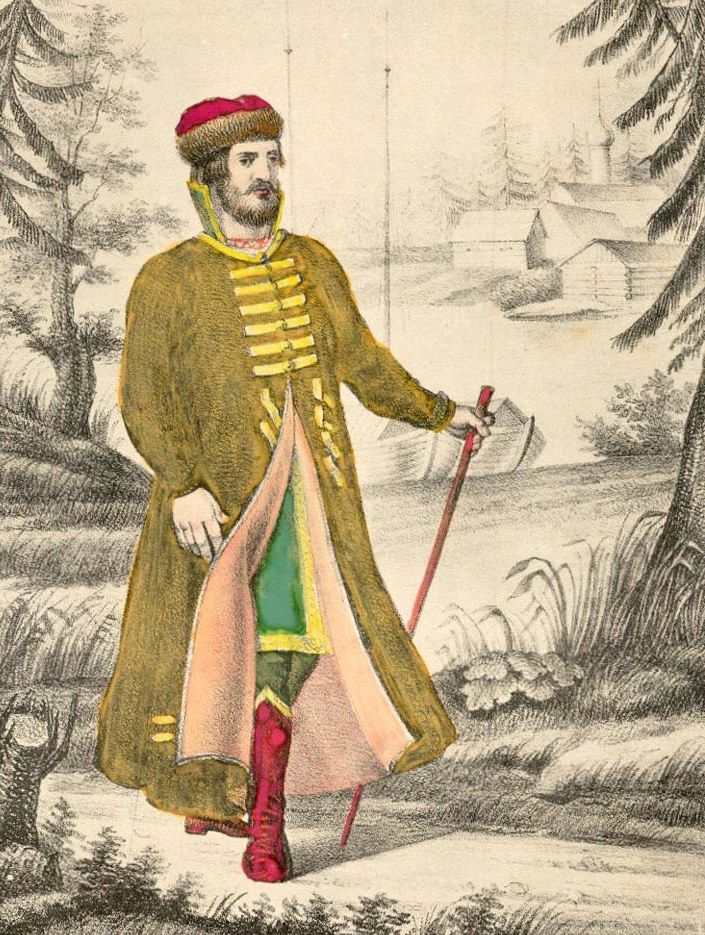
The caftan wasn’t just worn in Japan or the Middle East; many other cultures also embraced this beautiful, flowing garment. The history of the caftan can be seen in Africa, Asia, and Russia.

From my research, the earliest version of the caftan seems to have been worn in 830 in the Byzantine Empire, as I mentioned above. The caftan was and still is incredibly popular in hot climates, due to its breathability and flowing fabrics. You could cover up from the sun and remain somewhat cool.

Another incredibly interesting part of the caftan history is that it appears to be the oldest Turkish dress. It can be traced as far back as the Hun, the Ottomans, and the Göktürks periods. These garments can also be found in some Hun tombs as well.

Many of these garments were manufactured from fabrics made in places such as Istanbul and Bursa, but some of those fabrics even came as far away as Venice, Genoa, Persia, India, and sometimes even China. I can only imagine how stunning these fabrics would be and what the completed caftans would look like. They would be breathtaking.

Depending on what part of the world you’re in, you would wear the caftan differently. For example, in West Africa, the caftan was worn by both men and women and usually was a robe that was pulled over the head and worn with pants that would have a drawstring at the waist.

In Russia, it refers to a style of men’s long suits with tight sleeves

Other countries and communities might wear the caftan belted, while others will have it remain loose. Different countries would have different types of fabrics, colors, and textures. This would all depend on the fabrics that were available to them and the fabrics that would be most comfortable for them in their climate.

Different religious communities would also wear the caftans, such as the Jewish communities or the Muslim communities. In those cases, they would often be a specific color and worn in a very specific way due to that culture or religion.

So that was a brief history of the caftan, bringing us up towards modern times. As I mentioned above, I am more than happy to do a more in-depth series about this, as the culture and history of this remarkable garment are quite in-depth and very interesting.

What would the modern caftan be? As I mentioned above, the tiki community has helped to bring back the popularity of the caftan, but before that, you would have seen it in movies, television, magazines, and photographed on a variety of celebrities, going back as far as the 1950s. As with many types of fashion, it does get popularized more when a person of fame wears it. Elizabeth Taylor is one of the most iconic actors who was photographed (quite often) wearing one. There are even photos of Marlon Brando wearing one, and on television, the wonderful Mrs. Roper is also someone who comes to mind. She is also honored with a Mrs. Roper Day every year, where there is a gathering and parade of red-wigged, caftan-wearing fans. 

Before its current wave of popularity, the caftan was incredibly popular in the 50s, 60s, and 70s. It was boldly embraced by the hippie culture, especially. 

In the 1950s, designers such as Christian Dior and Cristobal incorporated caftan-inspired elements into many of their collections, and that included dresses and coats that would also have very high slits.

As they are today, they would be worn for a variety of reasons, from lounging at home to wearing them as a Hostess Dress or, of course, if you’re lounging by the pool or at the beach, you can wear them as a cover-up later. As with historical costumes, fabrics range from very comfortable cottons up to very fancy silks and brocades.

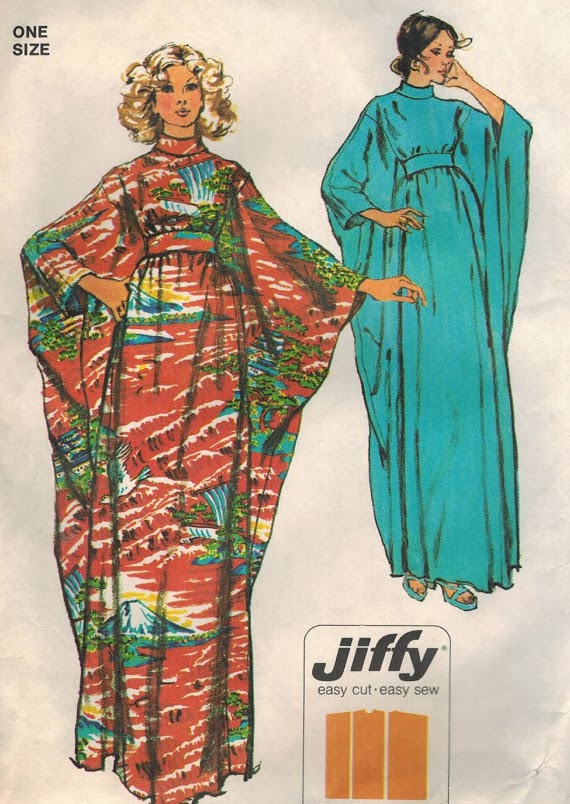
As we move into the 1960s and 1970s, the caftan has now become part of the hippie and bohemian lifestyles, and most people started associating it with that culture. Though you are still seeing celebrities like Elizabeth Taylor wearing the caftan on a variety of different occasions. She was photographed a lot in some of the most beautiful fabrics that you would see at that time.

Then, as we move into the mid-70s, we’re seeing the caftan becoming a regular part of television shows. As I mentioned in my intro, Bea Arthur wore the caftan occasionally in the television series Maud, and then, of course, our beloved Mrs. Roper made it incredibly popular as a very fun way to lounge around the home. She would accessorize with the most outrageous jewelry, and I absolutely adored it when I watched it back in the ’70s, as well as when I watch the reruns now. She is my absolute favorite part of that entire show, and there has been a love for her for many decades. As I mentioned above, there is a day that is dedicated to her, and I love that.

I have been wanting to make one myself, and I do have a sewing pattern right here. I have many friends who have made this, and currently, there is a version of this over on Gertie’s Patreon in case you are a member. I did have a struggle trying to find this particular pattern. Everywhere I looked, it was sold out as it has become super popular. I believe it is because of the ease of making it. I have fabric set aside for it, I just need to find time to make it.  I don’t want to just make it for summer; I think this would be a lovely lounging garment for the colder months as well.  I mean, think about it, a Halloween-themed caftan! Raise your hand if you’re there with me. 

I hope you enjoyed this history lesson, although brief, about the caftan, as well as a little bit about what is happening in modern culture with it.
If you enjoyed this video, please subscribe, give this video a thumbs up if you liked it and also, I now have memberships on this channel and those memberships do include early access to weekly videos, eventually I’ll do semi-regular members only chats, you’ll get discounts to new products, I’ll also do some members only posts, videos and possibly some tutorials shortly. It does not cost that much to join, and it helps out my channel.

I have a Patreon. I would love it if you became a member.  https://www.patreon.com/killerkitschdesigns

If you are inclined, I have a Ko-Fi account. All donations are appreciated and will help me upgrade my equipment (lighting, microphones etc).

Thank you so much!  https://ko-fi.com/killerkitschlizzie

Other links to follow! Discord: https://discord.gg/yPeZRJpWpk

Instagram: https://www.instagram.com/killerkitsch13/

Facebook: https://www.facebook.com/killerkitsch13

Website: https://killerkitschdesigns.com/
1950s, 1960s, art, beatnik, poetry, rebellious fashion, writing

Rebellious Fashion: The Beatnik Generation

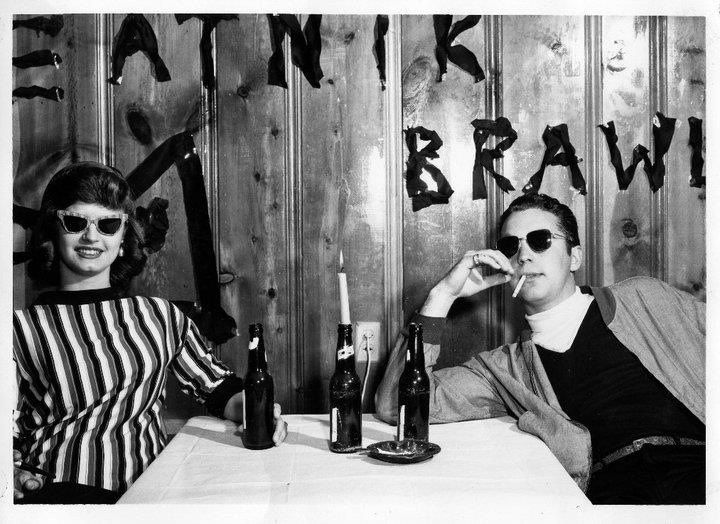
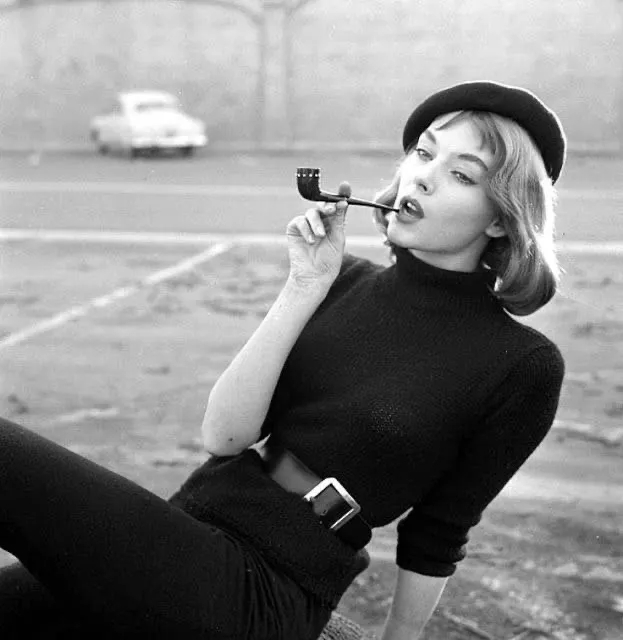
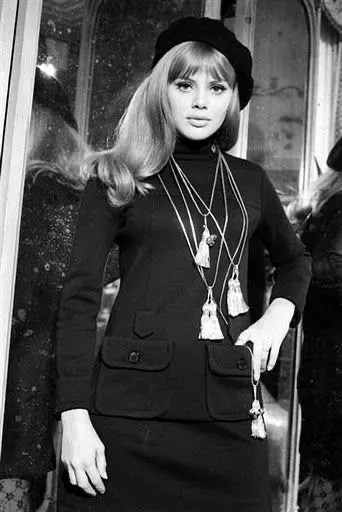
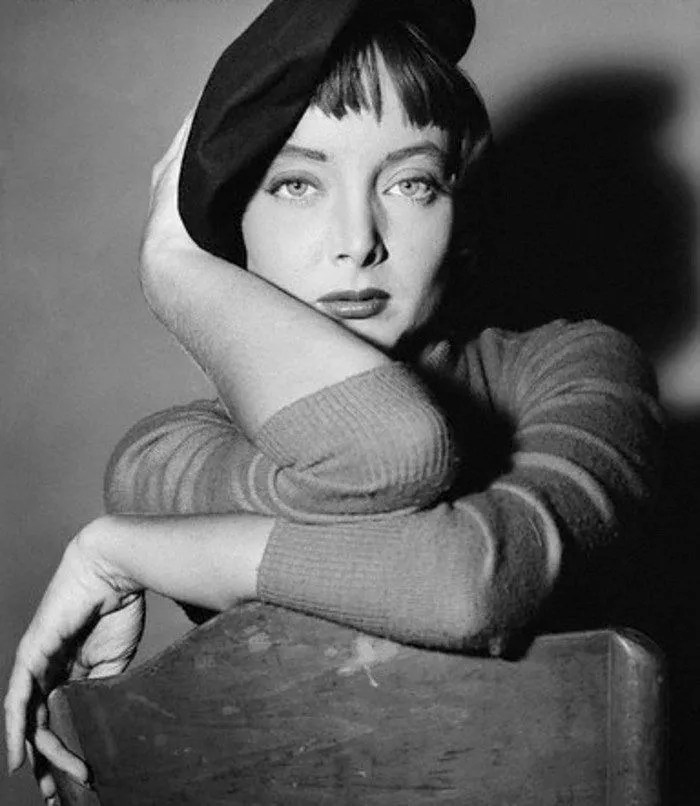
If you’ve ever heard the word beatnik, one of the first images that likely comes into your mind is of a lanky male or female dressed head to toe in black with a beret on their head, a turtleneck, slim slacks on their body, and loafers on their feet. As well, you may also associate them with poetry and smoky jazz cafes or coffee houses. However, there is so much more to the history of the beat generation. They were rebellious and spoke out against the way that society had changed after World War II. They were using their fashion style and their words to voice out against what they believed to be a world moving in the wrong direction.

To find out more about the beatnik generation, its history, and its style, keep watching.

“The term ‘beatnik’ was coined by Herb Caen of the San Francisco Chronicle on April 2, 1958, blending the name of the recent Russian satellite Sputnik and Beat Generation. This suggested that beatniks were “far out of the mainstream of society” and “possibly pro-Communist.” Caen’s term stuck and became the popular label associated with a new stereotype—the man with a goatee and beret reciting nonsensical poetry and playing bongo drums while free-spirited women wearing black leotards dance.” {Wikipedia}

If you’ve ever watched a movie from the mid-1950s up to the early 1960s, you may have come across scenes that take place in Bohemian-style coffee shops. In those scenes, you’ll see poets or musicians doing some sort of beat style poetry, spoken word or music, and there were always bongos. One of my favorite movies with beatnik style is the Jimmy Stewart and Kim Novak movie called Bell, Book, and Candle. It also stars one of my favorite all-time actors, Jack Lemmon, who, of course, works in a coffee house and is part of the house band, and he plays the bongos.

Before I get into what the beatnik style was, I want to talk about the history of the beatnik culture.

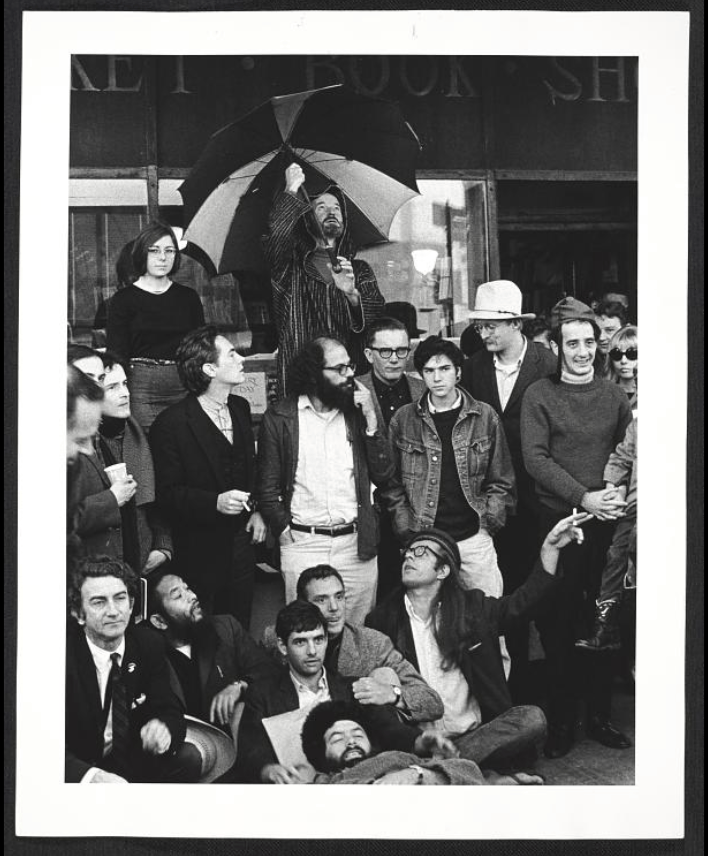
As with many fashion trends, it is usually inspired by some kind of culture or era, or some kind of artistic inspiration. Beatnik fashion is no different. Firmly linked to what is called the Beat Generation, it was considered a counterculture movement, and it was heavily influenced by artists, intellectuals, and anyone who was off the beaten path. and they usually frequented coffee houses, bookstores, jazz clubs, or some very smoky, underground-type establishments. It was a very Bohemian style culture. Toronto had its very own counterculture, artistically driven, Bohemian-style neighbourhood. That was Yorkville back in the ’50s and ’60s. Today, if you were to visit Yorkville, it is not anywhere related to what that culture was back then. Now it is very sheeshee, high-end, boutique stores, rich people’s playgrounds. A far cry from what it was during its beatnik generation era. Other little pockets in the city of Toronto also had a similar culture; the Annex was one of the other ones. Every major city would have an area that was dedicated to the beatnik generation. London, San Francisco, and New York are other examples of large cities that have a very colorful and interesting history in their culture. Speaking of New York City, this was where the movement began.

Beatniks were considered rebellious, and in their own way, they were rebelling against society. What was that way, you ask?

As with many artists over the centuries, they rebelled through their art, and with the beatniks were amongst those artists. The beatniks were rebelling against conformity, materialism, and what American society became after World War II. 

After World War I, the world went through a cycle of wealth and insane spending, to the Great Depression, and then to war. When the Second World War ended, the world began having a cycle of wealth again. People had become materialistic, and their spending habits had changed greatly from the decade previous to the war. This was one of the things that the culture was rebelling against. They were critiquing what was now perceived as the American dream. Keeping up with the Joneses. The stages of life once again being: get married, own a house, have a car, and work at a job that you stay at for your entire life. The wife stayed at home and cooked, cleaned, and raised the children. As Bohemians, they wanted to live their lives freely, artistically, and not have to follow the rules of what was considered the standard way of life. Through their art, they were trying to find a way to liberate themselves from all of that.

During this time, several writers and artists became incredibly well-known. 

Writers such as Jack Kerouac, Allen Ginsberg, and William S. Burroughs are considered to be key figures in the movement. If you’ve read any of their works, you would see a very strong message in them about fighting against this conformity. 

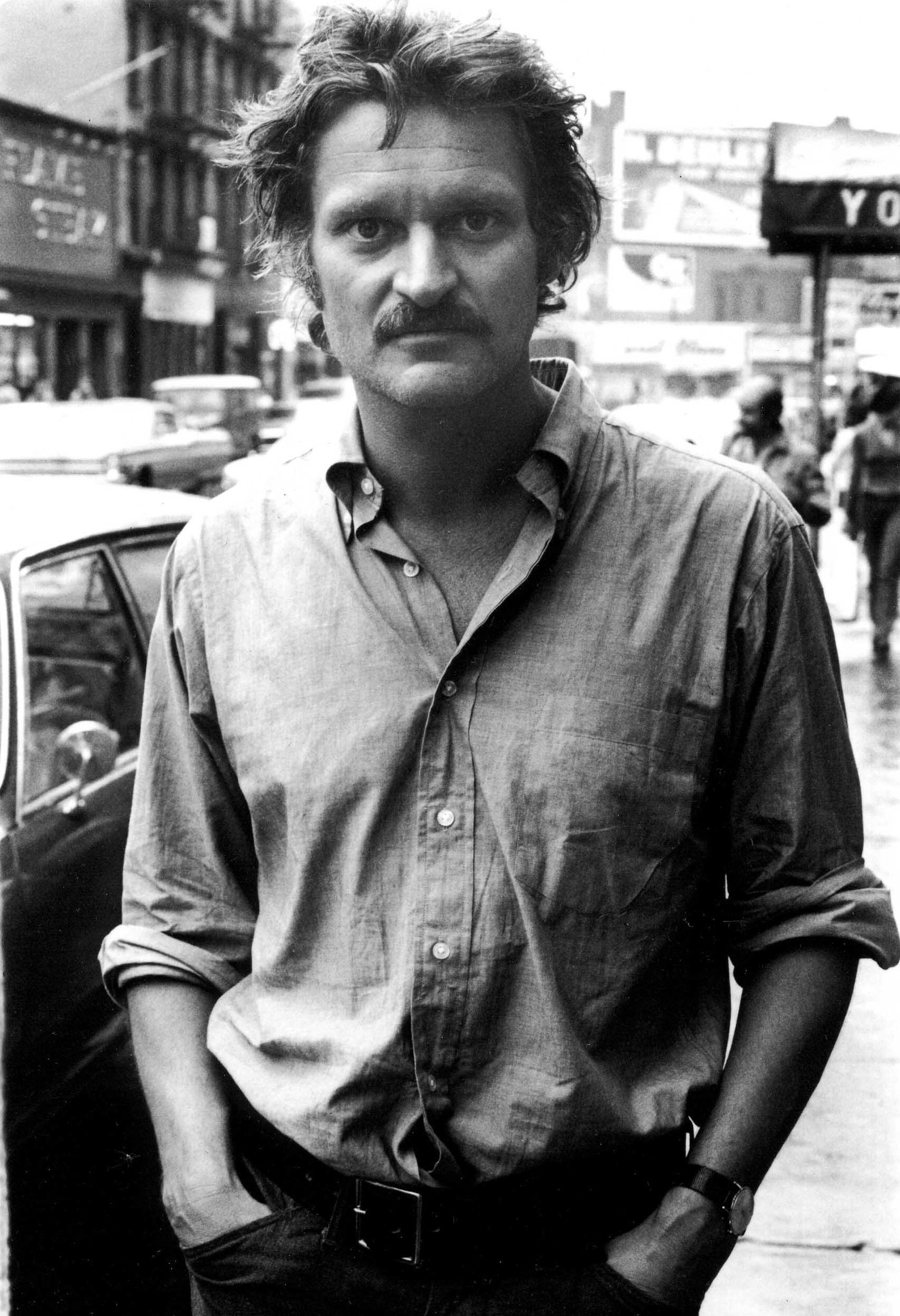
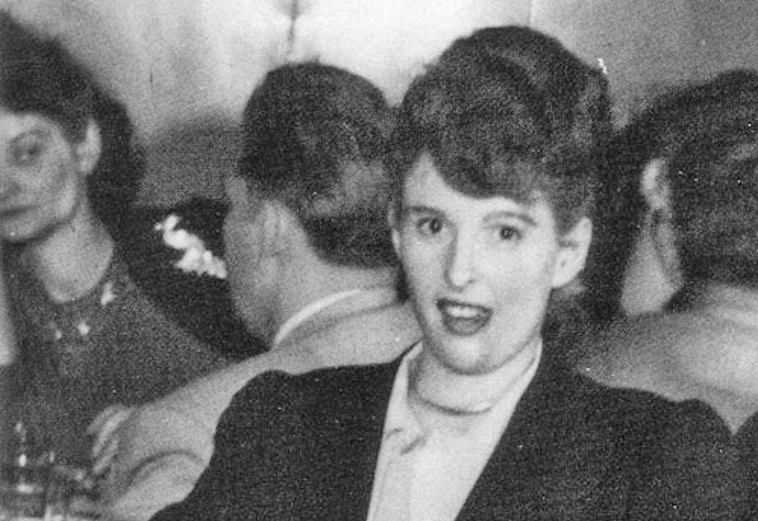
Other important poets, writers, and artists of that time would include Edie Parker, Ted Joans, John Asbery, and Ruth Weiss.

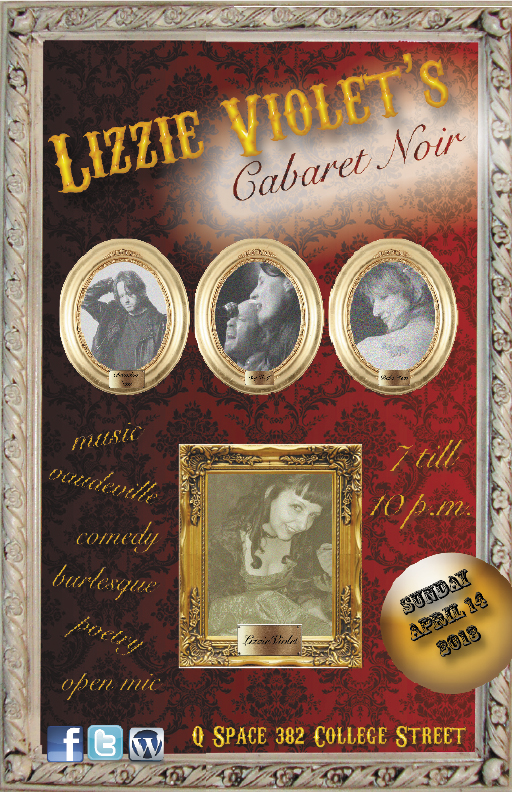
As I mentioned above, a huge part of the beatnik culture was the poetry scene and the music scene. Here in Toronto, I was part of both of those scenes. I ran a cabaret called Lizzie Violet’s Cabaret Noir, and part of that Cabaret was poetry and music. I was good friends with a lot of very Bohemian-style artists. One in particular was Nik Beat. Nik’s name was a variation of the word beatnik. Nik was a very well-known artist and poet in Toronto, as well as a huge supporter of the arts. He had a weekly show on the radio station CIUT. I performed on the show a few times, and I’m very grateful to have known him. Unfortunately, he passed away a few years ago, but as I was writing the script for this video, I was thinking about Nik as well as my time in that scene.

Along with running a cabaret, I was also a spoken word artist. Being a spoken word artist, I was also part of the poetry community. I’m no longer part of that scene as I had walked away from it when the pandemic happened, and at that point, I had already moved on to other artistic endeavors.

As promised, let’s talk a little bit about beatnik style.

Beatnik style was a combination of a few different looks. Both men and women embraced this style, and one of the reasons was its simplicity. But I’m getting ahead of myself, let me tell you a little bit about exactly what beatnik style is.

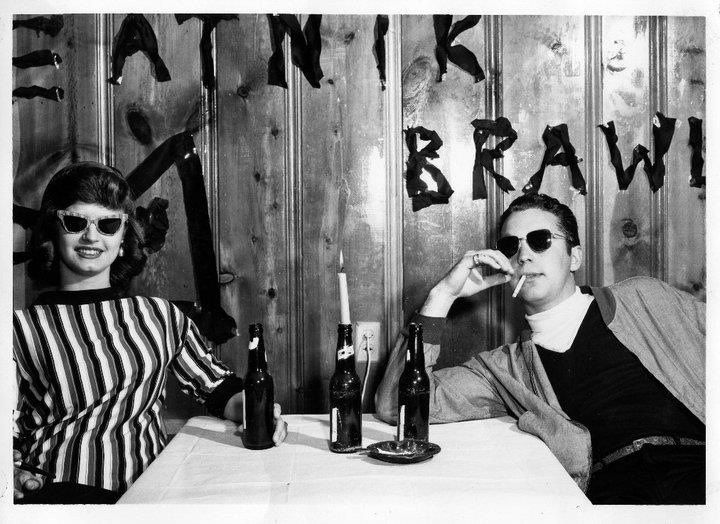
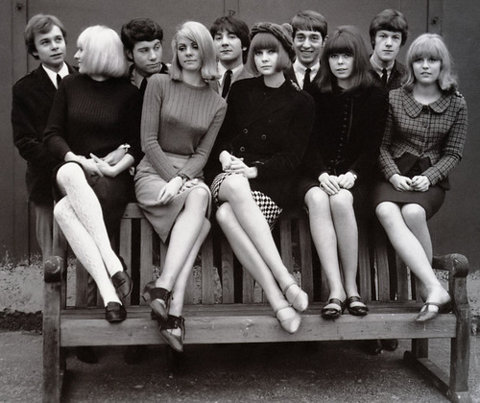
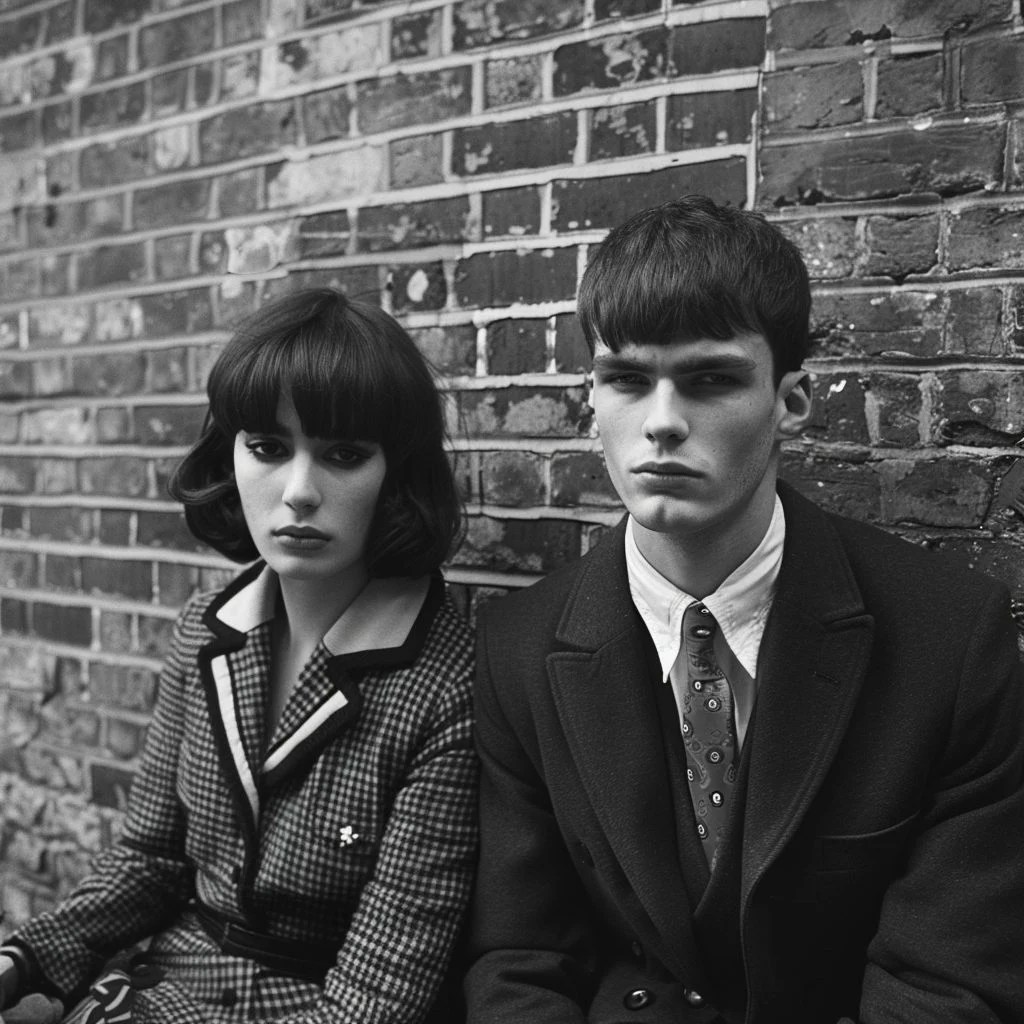
Beatnik style was probably at its height towards the end of the 1950s, and it was usually described as a very minimalist, intellectual, and androgynous style. Men and women tended to wear very similar styles. This look would include mostly black clothing, occasionally another color would pop in, such as white, and it was a mishmash of turtlenecks, skinny tight pants similar to narrow-legged trousers or ankle-length capris, and the footwear was always comfortable. Women who were into beatnik fashion usually steered away from high heels or any kind of uncomfortable, fashionable footwear.

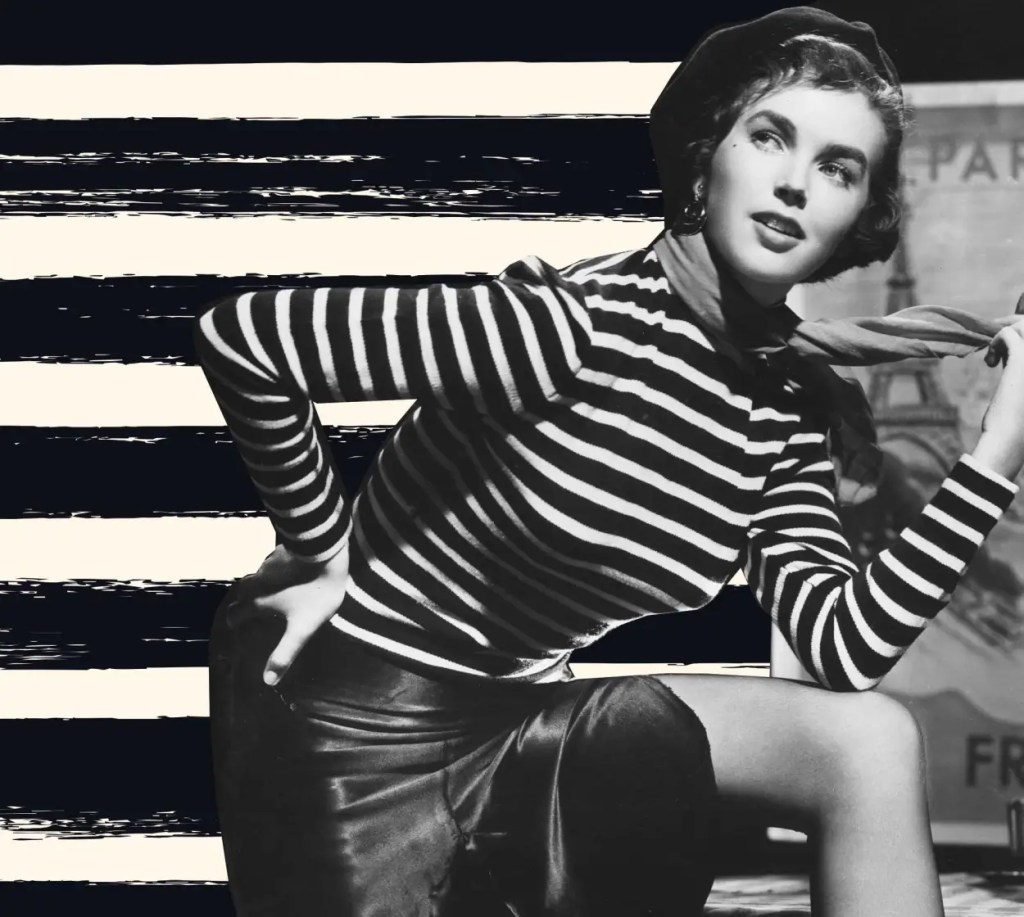
Another very well-known and very familiar beatnik style is the striped long-sleeved top. It would be in the fashion of either a turtleneck or a Breton-style top. Breton would be a wide, round-neck or boat neck shape.

Along with berets, as headwear, you would almost always see beatniks wearing sunglasses. It didn’t matter if they were indoors or outdoors. They were also very likely not to be sun worshipers in any sort of way. They would rather spend their time inside a dark, smoky coffee house.

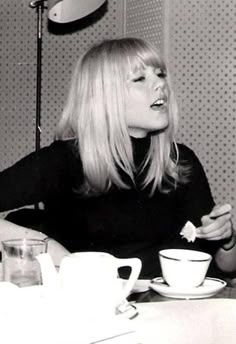
Women’s hairstyles tended to be long and straight with bangs, a variation of the Bettie Bang that was popular in the 1940s. Bettie Page especially made that look famous. Men usually had longish hair with beards, and often their beards would be in the style of a goatee. 

The beatnik minimalist look would not have any flashy patterns. As I mentioned above, the striped top was probably as flashy as they got. 

Below are a few articles I read when doing my research for this video!

https://vagazine.com/exploring-beatniks-and-the-beat-generation-legacy/

https://en.wikipedia.org/wiki/Beatnik

https://www.anothermag.com/fashion-beauty/8395/how-beatnik-style-made-the-underground-mainstream

https://gbacg.org/finery/beatnik-fashion/

Would you consider your look to be Beatnik? If you were around in the 1950s, would you be part of the Beatnik culture?

I hope you enjoyed this video, please subscribe, give this video a thumbs up if you liked it and also, I now have memberships on this channel and those memberships do include early access to weekly videos, eventually I’ll do semi-regular members only chats, you’ll get discounts to new products, I’ll also do some members only posts, videos and possibly some tutorials shortly. It does not cost that much to join, and it helps out my channel.

I have a Patreon. I would love it if you became a member.  https://www.patreon.com/killerkitschdesigns

If you are inclined, I have a Ko-Fi account. All donations are appreciated and will help me upgrade my equipment (lighting, microphones etc).

Thank you so much!  https://ko-fi.com/killerkitschlizzie

Other links to follow! Discord: https://discord.gg/yPeZRJpWpk

Instagram: https://www.instagram.com/killerkitsch13/

Facebook: https://www.facebook.com/killerkitsch13

Website: https://killerkitschdesigns.com/

1950s

1950s Summer Fashion!

Though I am madly in love with the 1920s and 1930s, style-wise, I tend to gravitate to the 1950s. One of my favorite seasons for 1950s-inspired outfits is summer. From bare shoulder blouses, to cute shorts,  to capris, to big, flowy, gathered skirts, the 1950s is my dream era. In this video, I’m going to talk about the summer fashion through the years of the 1950s. If you want to see the styles and the changes that happened throughout the decade, watch this video.

As I mentioned in the intro, I tend to gravitate towards the style of the 1950s when it comes to Summer fashion. Knitwear, I tend to knit patterns from the 1930s and usually the 1940s more than I do the 1950s. But when it comes to sewing, because of my silhouette, the 1950s tends to suit me better.

If you recently watched my 1930s summer fashion video, you would have heard me talk about how fashion style changes from the beginning to the end of the decade. The 1950s are no exception to this rule. At the beginning of the decade, you’re going to see some of the latter Fashions from the 1940s still hanging on, and by the end of the decade, you will start to see some changes that will then melt into the 1960s.

At the end of the 1940s, Christian Dior created the New Look. Garments had cinched-in waists and full skirts. At this point, the Great Depression and the war are over, and the economy is starting to have an upswing. Many talk about how the 1950s had very large skirts, showing off how well the economy was doing. A good economy means better jobs, which means more money to spend on things like fabric. In the last two decades, women had to be very careful with how they used the fabric in their garments, and now, in the 1950s, being a time of abundance, they could go nuts with huge gathered or very flowy circle skirts.

One look, which stayed pretty consistent through the 1950s, was the fit and flare dress. I feel that this style of dress is flattering on absolutely everyone. However, to achieve this look, we then start returning to more structured and sometimes restrictive undergarments. Though not as restrictive as corsets, you will start to see waist-shaping and belly flattening girdles. The new trend for underground is also seeing a different structure for brassieres. You’re now seeing more padding, as well as a more defined, pointed shape in the structure.

Now that I’ve covered those, let’s talk a little bit more about what changes from the beginning of the decade to the end.

At the beginning of the 1950s, something you are going to start seeing a little less of are those squared-off off masculine shoulders. You might have some drastic changes in waistlines and bust areas, you are starting to see things soften a little bit. softer shoulders, as well as the color of the fabric. Summertime in the addresses is a beautiful example of this. You would often see pretty pastels in both solids and prints, especially a lot of dotted, checked, and plaid style fabrics.

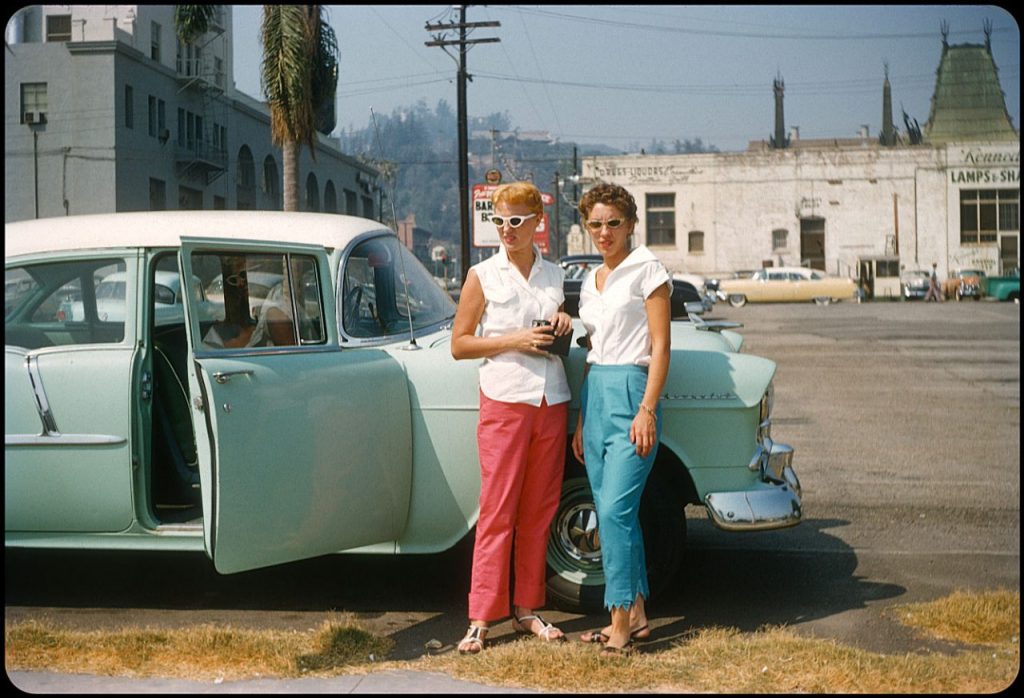
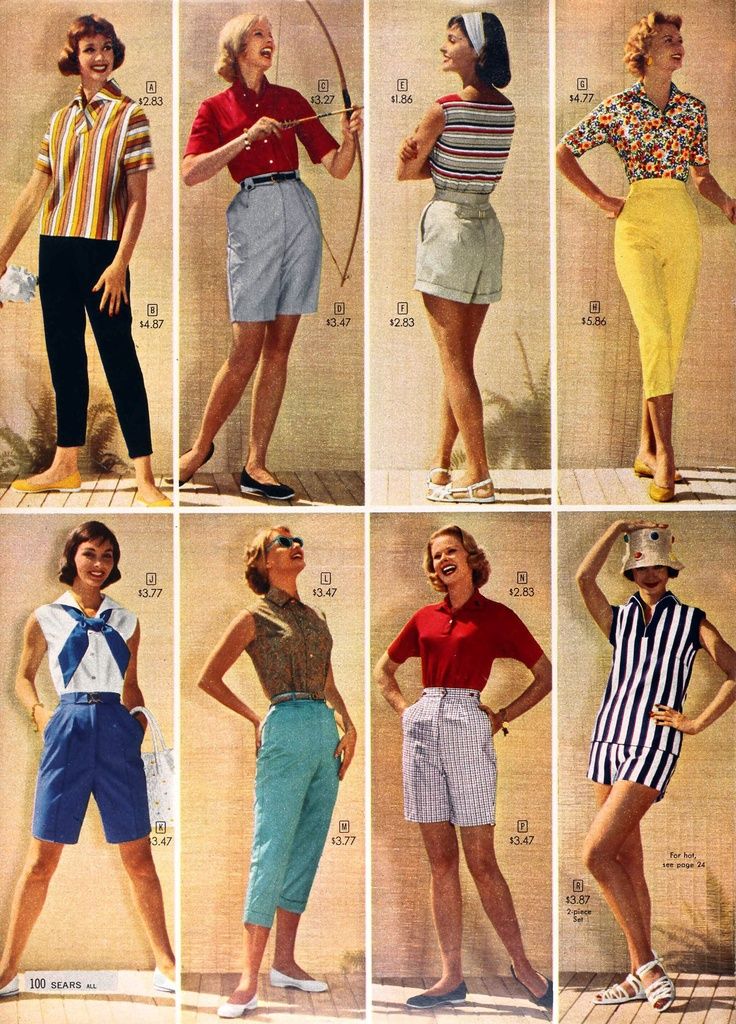
Throughout the 1950s, even though the length of shorts might change, trending towards shorter, one thing that was pretty consistent was that they were still pretty high-waisted. This was a holdover from the 30s and 40s. 

Along with shorts, you’re going to start seeing different lengths and trouser styles of garments. Something very popular with women was Bermuda shorts and pedal pushers or capris.

To go with those capris or shorts, footwear tended to continue with some of the looks from the 1930 years and 40s and in the espadrille was still quite popular, in addition to the Capri you were starting to see sneakers as well as a boat shoe style. as well, you would see ballerina style flats. You would also see open-toe sandals coming in a variety of different heel heights.

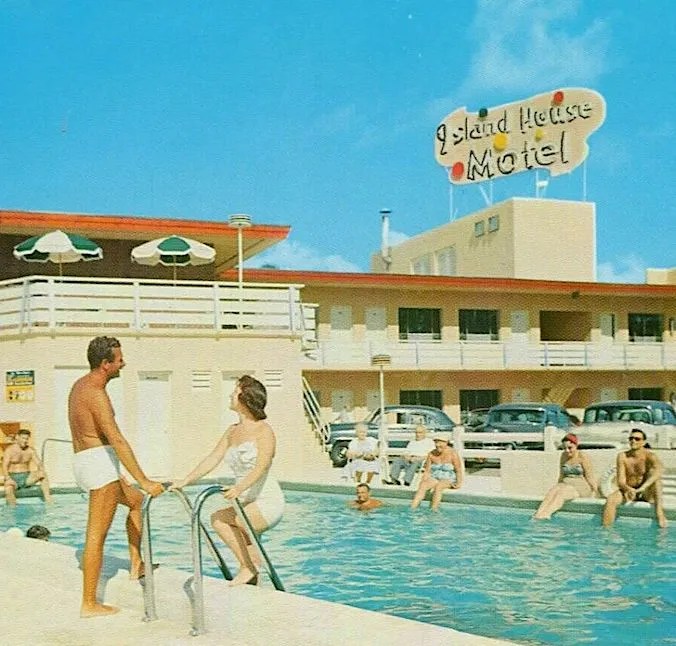
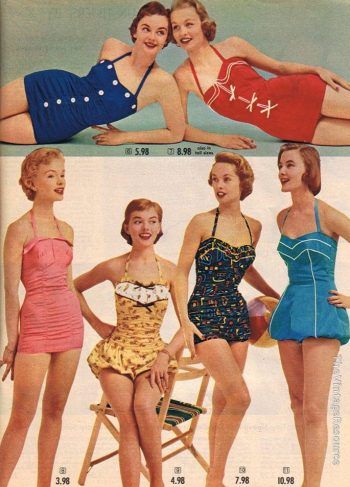
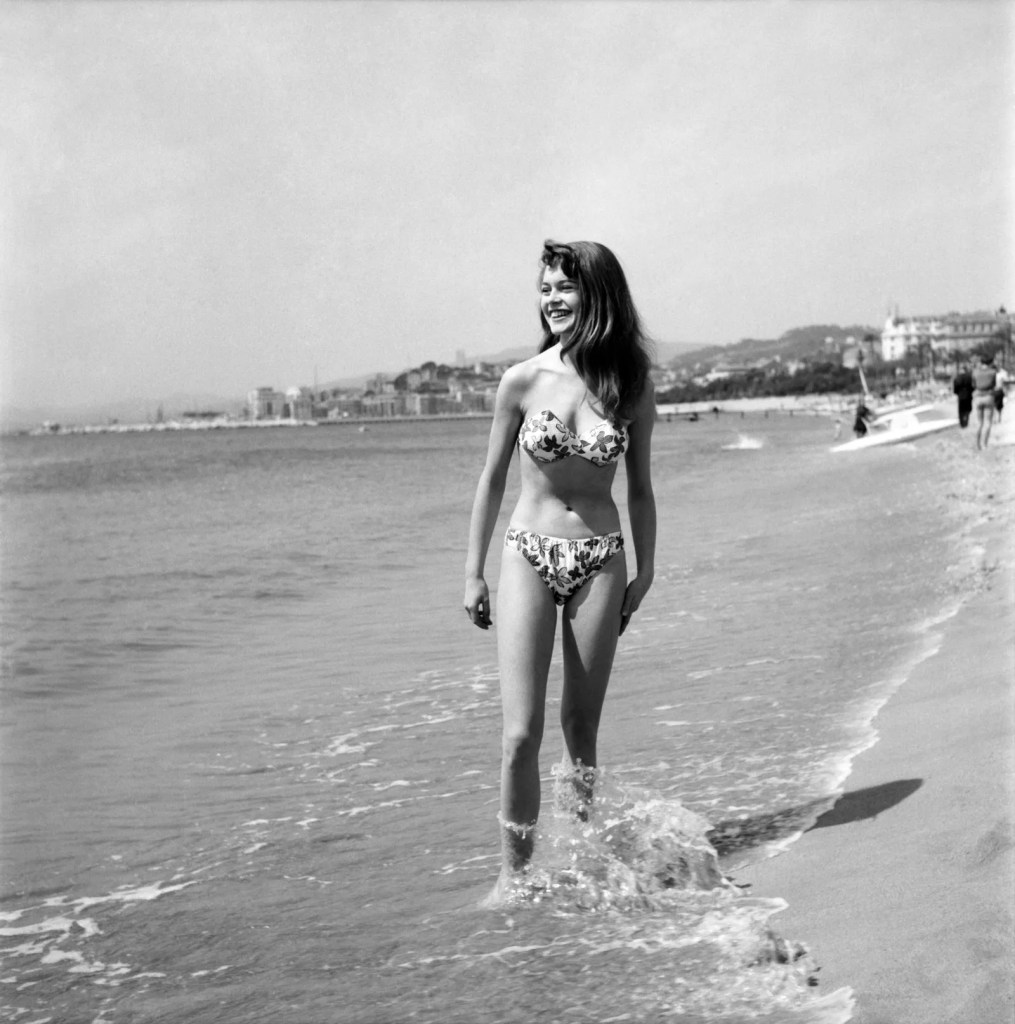
The 1950s starts to see even more innovation in bathing suits, including more structured and figure-flattering. You would also see the bikini becoming incredibly popular. With the bikini, you’re seeing a lot more skin.

As with the 1930s and 40s, Lastex was being added to a greater variety of fabrics, including cotton and taffeta. As well as in 1956, Speedo introduced nylon in swimwear. The benefits of nylon were that it stretched more easily over your body, it dried faster, and it retained its shape. Also, with the 1950s bathing suit innovation came ultra-light fabrics, which made wearing a bathing suit even more of a joy.

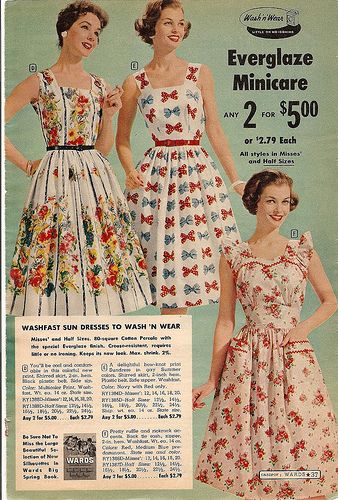
Of course, we can’t forget sundresses and big flowy skirts. Cotton was all the rage in the 1950s! Due to wartime rationing of the fabric, it wasn’t showing up in many garments in the 1940s. Rationing gone, it became a summer staple again. Many gorgeous sundresses, shorts, blouses, and skirts were fully embracing this!

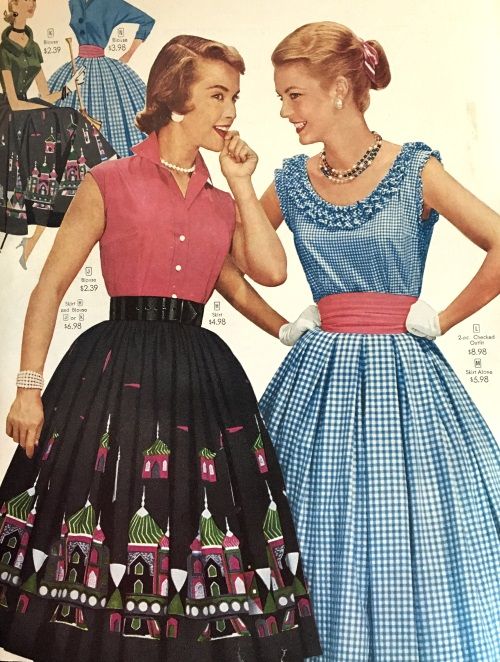
Full gathered skirts and circle skirts with fun summery prints were seen everywhere. Including fun border prints! These would often be worn with bare arm blouses, halter tops, blouses that tied at the top, and many more summer-style tops.

Sundresses were made, often taking advantage of the abundance of cotton, also using fun prints and patterns. One of my favourite styles of sundress is the one that ties at the shoulders. You would also see a variety of dress styles, including shirt-waist, halter, and bare arms.

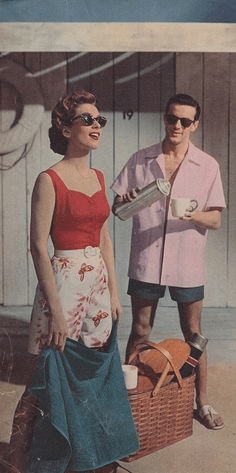
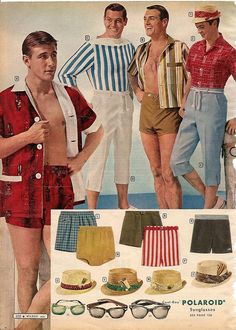
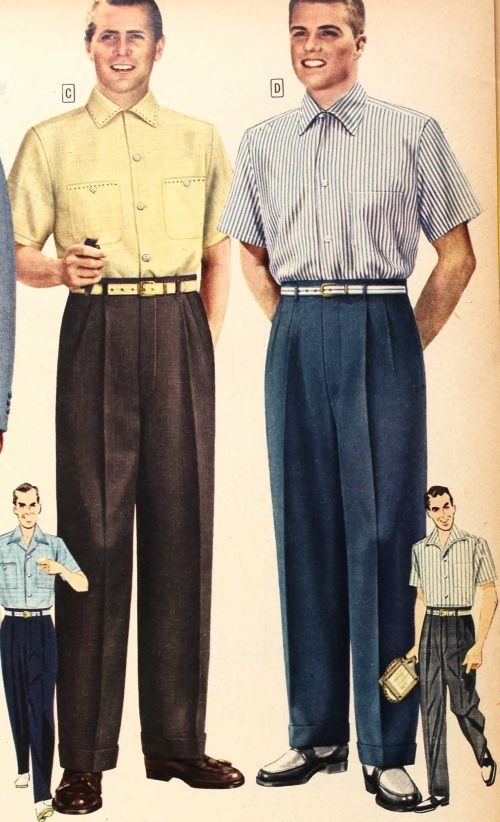
In menswear, you’re still going to see trousers and short-sleeved shirts, as well as that nautical style, that both men and women are wearing in the 1950s, as they did in the 1930s. One thing that you will see quite a bit more starting in the late 1940s is the Hawaiian shirts. That would become a summer staple for many men. 

Short-sleeved knit-style fabric was also very popular in menswear in the summers of the 1950s.

Another trend that was happening in men’s wear was that the nylon jacket was replacing the casual sports jacket. Though you’re still going to see sports jackets in the nautical style summerwear.

Along with women, men are also wearing shorts in the summer. Cabana sets, become very popular, especially for lounging around the pool.

In the summer of the 1950s and you will start to see more denim on men and women.  Honestly, there is nothing cuter than some rolled-up and denim pants, with a pair of espadrilles and a cute halter top or a short-sleeved blouse.

Whether you are lounging by the pool, the beach, sitting on a dock at the cottage, or hanging out around a campfire, summer styles of the 1950s were much more comfortable due to the use of cotton! I also feel that fun has returned to people’s wardrobes!

I hope you enjoyed this video. Please subscribe and give this video a thumbs up if you liked it. Also, I now have memberships on this channel, and those memberships include early access to weekly videos. Eventually, I’ll do semi-regular members-only chats, and you’ll get discounts on new products. I’ll also do some members-only posts, videos, and possibly some tutorials shortly. It does not cost that much to join, and it helps out my channel.

I have a Patreon. I would love it if you subscribed! I put detailed blog posts for each video I post.  https://www.patreon.com/killerkitschdesigns

I have a Ko-Fi account if you are inclined. All donations are appreciated and will help me upgrade my equipment (lighting, microphones, etc.). 
Stay Kitschy T-shirt! https://ko-fi.com/s/d1c506b10f

Thank you so much!  https://ko-fi.com/killerkitschlizzie

Other links to follow! Discord: https://discord.gg/yPeZRJpWpk

Instagram: https://www.instagram.com/killerkitsch13/

Facebook: https://www.facebook.com/killerkitsch13

Website: https://killerkitschdesigns.com/

1800s, 1920s, 1930s, 1940s, 1950s, 1960s, adjustable skirt, rebellious fashion

Rebellious Fashion: The History of Skorts

When you hear the word skort, you are likely to visualize part of an outfit that a tennis or golf player might be wearing. Did you know that skorts have a much richer history than that? Did you know they were once considered rebellious fashion? If you want to find out more. Watch this video!

In my continuing series about rebellious fashion, today, we’re talking about the skort!

Before I get into the history, for anyone wondering what a skort is, let me explain. 

A skort is a combination of shorts and a skirt. The current design has a flap of fabric that covers the entire front of your shorts. If you look at female tennis players, you will generally see them wearing this garment. The beginnings of skorts started long before modern times!

Beginning around the 1890s, women began cycling. A huge fad that women felt they should be able to be a part of. However, their heavy skirts did not allow for them to do this with ease. Being able to use a bicycle also allowed women even more freedom. You also need to remember that we also have the Suffrage movement happening at this time, so every little bit of independence was a huge win. It is rumoured that many of those leading the movement enjoyed being able to utilize a way of transportation that only men did.

The original skort was more like a very voluminous pair of trousers. This allowed freedom of movement for the female cyclist, as well as allowing them to safely use the bicycle. You can just imagine getting one of those long and bulky skirts caught in a bicycle chain. That would have led to some serious injuries.

How did these trousers fare? Not very well. At that time, women simply did not wear trousers. According to society, it took away from their femininity. Trousers were meant for men. After getting a taste of the freedom of cycling as well as trousers, many women didn’t want to go back. This had women rethinking the clothing they were currently wearing. Restrictive corsets, huge skirts, bustles, and sleeves. In addition to trousers being meant for men, the cycling trousers would do something shocking to society. It exposed women’s ankles. Women would still be wearing wool stockings with their cycling trousers, but… society still had issues with this.

Could there be a compromise? 

French designers would have the answer.

Always innovators of fashion, French designers were the first to evolve the cycling trousers into skorts! The French creation would be the trouser skirts. This allowed the freedom of trousers while continuing to keep modesty in check. In 1911, Paul Poiret produced several designs that were a combination of skirts and trousers, which were known as jupe-culottes, or also known as harem pants. 

In the 1930s, there was a fitness craze and the desire to have more athletic-looking bodies. Because of this, even more women were taking up sports, especially tennis and golf. The skort also became popular as everyday wear. Skorts were still fairly long at this time, and it wasn’t uncommon for a woman to wear wool stockings with them. 

In 1931, enter one of our favourite rebellious fashion designers, Elsa Schiaparelli! Elsa designed a pair of skorts for Spanish tennis player Lili Alvarez. This version of the skort was a pair of culottes (which Elsa is well known for), with a piece of fabric draped across the front for modesty. It was the first time that skorts had been worn to Wimbledon. Some of the audience members were aghast and vocal with their thoughts on the skort. When it was worn at the French Open, the audience was much more relaxed about it. 

In the 1930s, you would also see women in college adapting skorts as part of their athletic uniforms!

Then the skort lost popularity. They were still being used in sports, but not in everyday wear. At this point, it was no longer considered taboo for women to wear trousers, and the skort lost its edge. 

Then, in 1959, the skort reappeared in a 1959 Spring/Summer Montgomery Ward catalogue. In this version of the skort, it was a pleated skirt with shorts underneath the skirt. 

Welcome to the 1960s and short hemlines, skorts evolved again to fit with those styles and would remain short for the most part, up until today.

Today, skorts are fashionable in sports and everyday wear. As everyday wear, you get the best of both worlds, shorts and a skirt. Perfect for breezy summer days! However, their history is much more important than that. They were a very important part of feminism, allowing women to participate in the same luxuries as men, from cycling to sports. It was a rebellious statement, and we should always remember that.

At some point in the near future, I plan on self-drafting a skort and will have a tutorial for that.

Other links: 

Rebellious Women of the 1920’s: https://youtu.be/rYlkmwHPNFU 

Rebellious Fashion: Hatpins: https://youtu.be/fkw-5-PbAPc 

I hope you enjoyed this video. Please subscribe and give this video a thumbs up if you liked it. Also, I now have memberships on this channel, and those memberships include early access to weekly videos. Eventually, I’ll do semi-regular members-only chats, and you’ll get discounts on new products. I’ll also do some members-only posts, videos, and possibly some tutorials shortly. It does not cost that much to join, and it helps out my channel.
I have a Patreon. I would love it if you subscribed!  https://www.patreon.com/killerkitschdesigns
I have a Ko-Fi account if you are inclined. All donations are appreciated and will help me upgrade my equipment (lighting, microphones, etc.). 
Stay Kitschy T-shirt! https://ko-fi.com/s/d1c506b10f

Thank you so much!  https://ko-fi.com/killerkitschlizzie

Other links to follow! Discord: https://discord.gg/yPeZRJpWpk

Instagram: https://www.instagram.com/killerkitsch13/

Facebook: https://www.facebook.com/killerkitsch13

1950s, 1960s, halloween, rockabilly, sewing, vintage sewing

Spooky Sewing! Bat Skirt Tutorial!

It’s spooky season!

In this video, we are going to do some spooky sewing and I’m going to tell you how I made my bat skirt! I’m also going to chat about why I chose bats as my theme this year!

I use my Cricut often for sewing. There is a detailed tutorial coming in the near future for this. Please make sure you subscribe so you don’t miss it!

There is an even more detailed blog post over on Patreon! You can follow me for free there. In the new year, I will also be adding paid content with lots of fun projects! The link is below.

Thank you for watching! Please subscribe and tell your friends! I post a new video every other Friday! Subscribing and clicking the bell notification icon ensures you won’t miss a video!  https://youtube.com/@killerkitschvintagelizzie 

If you are inclined, I have a Ko-Fi account. All donations are appreciated and will help me upgrade my equipment (lighting, microphones etc). Thank you so much! 

https://ko-fi.com/killerkitschlizzie

Other links to follow! 

Patreon: https://www.patreon.com/killerkitschdesigns 

Discord: https://discord.gg/yPeZRJpWpk   

Instagram: https://www.instagram.com/killerkitsch13/  

Facebook: https://www.facebook.com/killerkitsch13  

Website: https://killerkitschdesigns.com/

1920s, 1930s, 1940s, 1950s, 1960s, cricut, cricut air explore 2, haslam, haslam drafting system, haslam system of dresscutting, knitting, knitting community, sewing, vintage knitting, vintage sewing

The Haslam System of Dresscutting: Creating a toile

In this video, I am going to show you how to create your toile! I will also be adding some tips and tricks throughout the video.

Supplies you will need.

  • Pattern pieces
  • Toile fabric
  • Sewing machine
  • Fabric scissors
  • Pins
  • Contrasting thread – easier for fitting
  • Marker – I use this in the fitting phase

If you enjoyed this video, please consider liking this video and subscribing.

That’s it for now. Thank you for watching. Stay kitschy and I will see you soon!

Thank you for watching! Please subscribe and tell your friends! 

If you are inclined, I have a Ko-Fi account. All donations are appreciated and will help me upgrade my equipment (lighting, microphones etc). Thank you so much! 

https://ko-fi.com/killerkitschlizzie

Other links to follow! 

Discord: https://discord.gg/yPeZRJpWpk 

Instagram: https://www.instagram.com/killerkitsch13/ 

Facebook: https://www.facebook.com/killerkitsch13 

Website: https://killerkitschdesigns.com/

1920s, 1930s, 1940s, 1950s, 1960s, cricut, cricut air explore 2, haslam, haslam drafting system, haslam system of dresscutting, knitting, knitting community, sewing, vintage knitting, vintage sewing

The Haslam System of Dresscutting: Creating the pattern pieces

In this episode, I am going to show you how to use your pattern block to create pattern pieces from the pattern block/sloper. I will also show you how to create the facing pieces.

Supplies you will need:

  • Template
  • Pattern block/sloper
  • Tracing paper
  • Pattern 
  • Pencil
  • Marker
  • Eraser
  • Pencil sharpener

A few things to note. These patterns don’t come with a seam allowance and most cases the facings. For the pattern pieces, I add a ⅜” or a ⅝” seam allowance (or seam allowance of your preference.

Back pattern piece

Front pattern piece

If you enjoyed this video, please consider liking this video and subscribing.

That’s it for now. Thank you for watching. Stay kitschy and I will see you soon!

Link to where to buy the pattern book we will be working from: https://www.etsy.com/ca/listing/945123558/the-haslam-system-of-dresscutting?click_key=f7158d4cc9a382a9e71341d1702d6fa08eb33a74%3A945123558&click_sum=1644bd67&ref=shop_home_active_21&pro=1&sts=1 

Thank you for watching! Please subscribe and tell your friends! 

If you are inclined, I have a Ko-Fi account. All donations are appreciated and will help me upgrade my equipment (lighting, microphones etc). Thank you so much! 

https://ko-fi.com/killerkitschlizzie

Other links to follow! 

Discord: https://discord.gg/yPeZRJpWpk 

Instagram: https://www.instagram.com/killerkitsch13/ 

Facebook: https://www.facebook.com/killerkitsch13 

Website: https://killerkitschdesigns.com/

1920s, 1930s, 1940s, 1950s, 1960s, cricut, cricut air explore 2, haslam, haslam drafting system, haslam system of dresscutting, knitting, knitting community, sewing, vintage knitting, vintage sewing

The Haslam System of Dresscutting: Creating the Sloper/Pattern Block

Today we’re going to build the front and back sloper/pattern block. Do you have your tools ready!!!

As I mentioned in the previous video, you will need a few items. 

  • The .pdfs
  • Some kind of tracing paper or large sheets of something. I personally use brown packing paper to draw my patterns on.
  • Poster board or as we call it in Canada Bristol board. I glue my template to it, to give it more structure. You will also use the poster board to make your pattern block. 
  • Pencils, pencil sharpener, eraser, and markers. 
  • Paper scissors
  • Glue of some sort. Elmer’s glue works, but I personally preferred using a glue stick. It was easier for me.
  • I also found an awl as a handy tool for punching the holes.

Please also see my blog post on Patreon for this information (free):  https://www.patreon.com/posts/haslam-system-of-87543607

Now. Let’s put together the back pattern block!

Alright! We have our pattern blocks ready to go. In the next video, I will show you have to draft your pattern! Please make sure you have already downloaded the pattern book. I will link it again below.

Back Sloper

Front Sloper

If you enjoyed this video, please consider liking this video and subscribing.

That’s it for now. Thank you for watching. Stay kitschy and I will see you soon!

Thank you for watching! Please subscribe and tell your friends! 

If you are inclined, I have a Ko-Fi account. All donations are appreciated and will help me upgrade my equipment (lighting, microphones etc). Thank you so much! 

https://ko-fi.com/killerkitschlizzie

Other links to follow! 

Discord: https://discord.gg/yPeZRJpWpk 

Instagram: https://www.instagram.com/killerkitsch13/ 

Facebook: https://www.facebook.com/killerkitsch13 

Website: https://killerkitschdesigns.com/