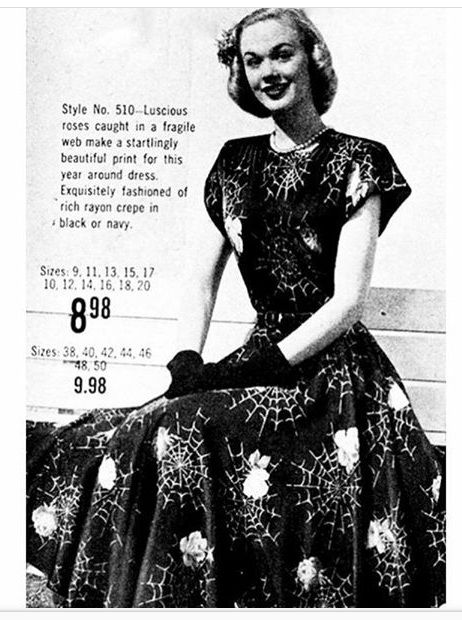
1950s, 1960s, art, beatnik, poetry, rebellious fashion, writing

Rebellious Fashion: The Beatnik Generation

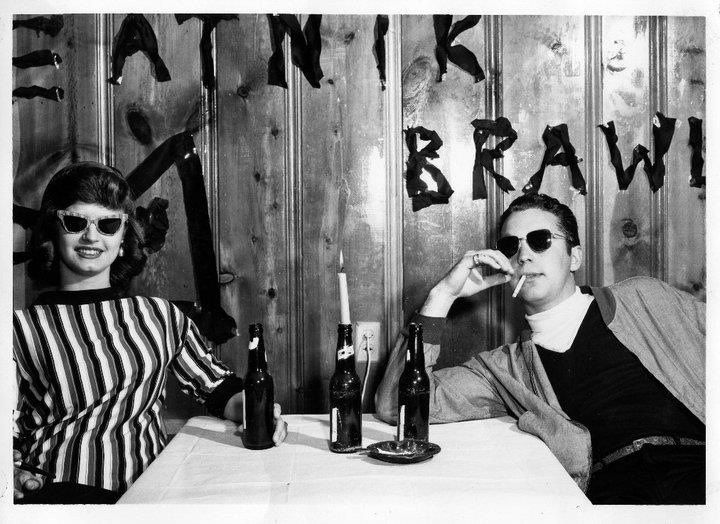
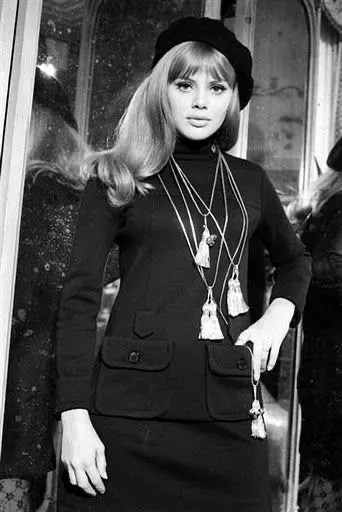
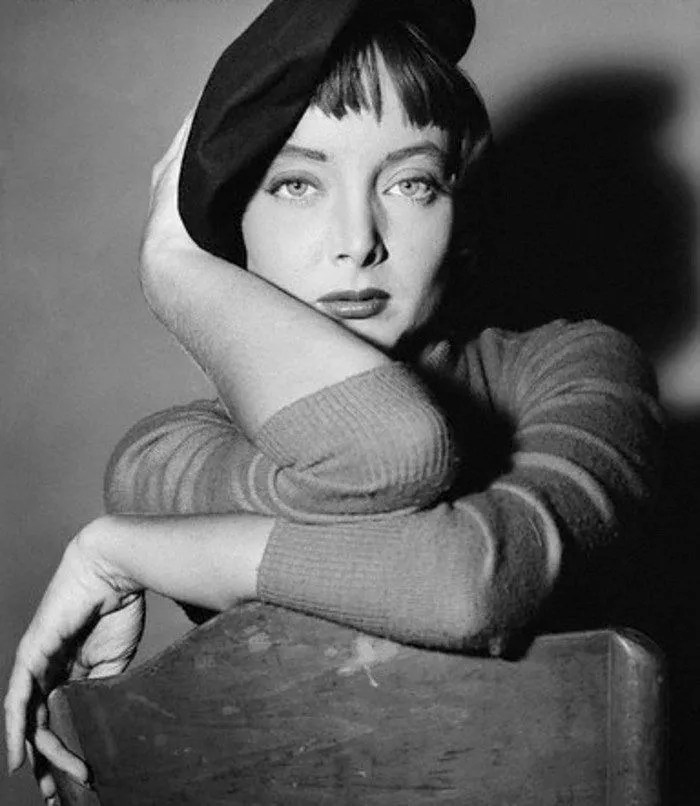
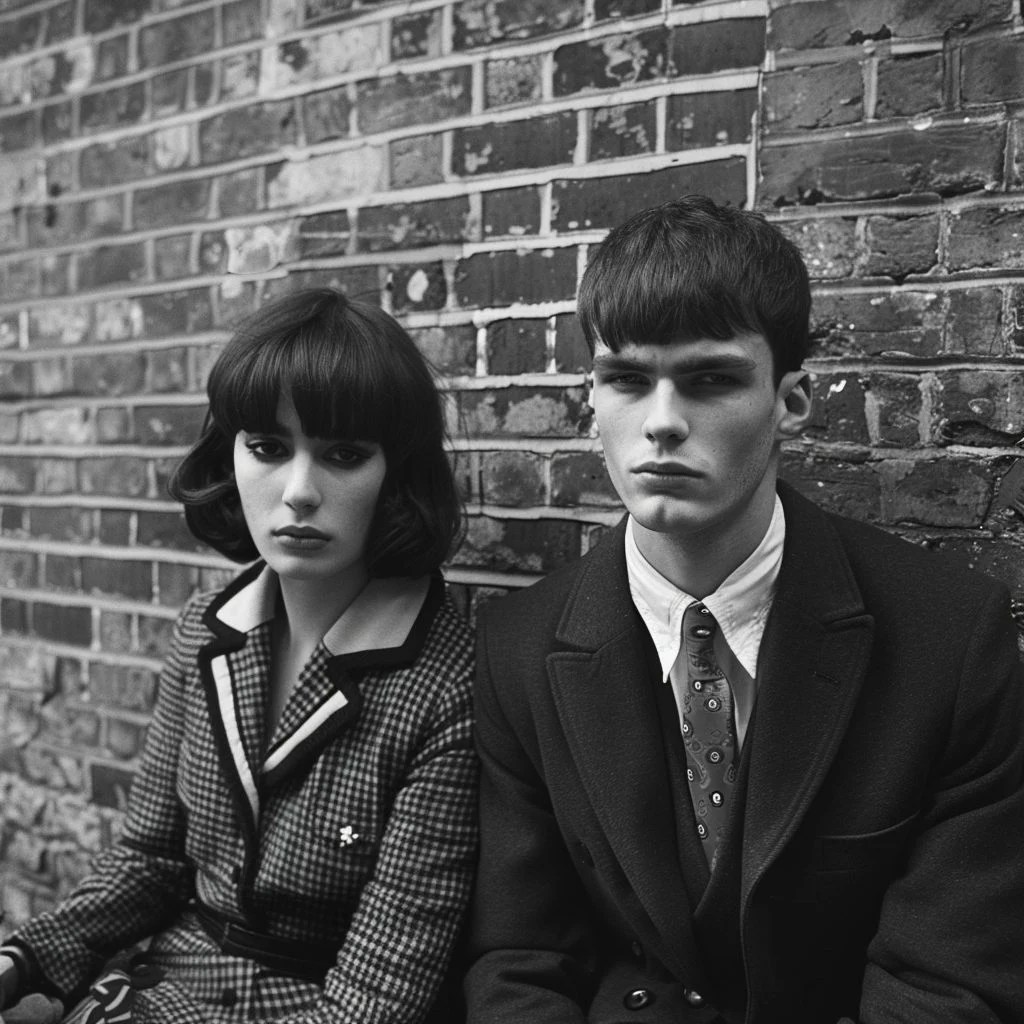
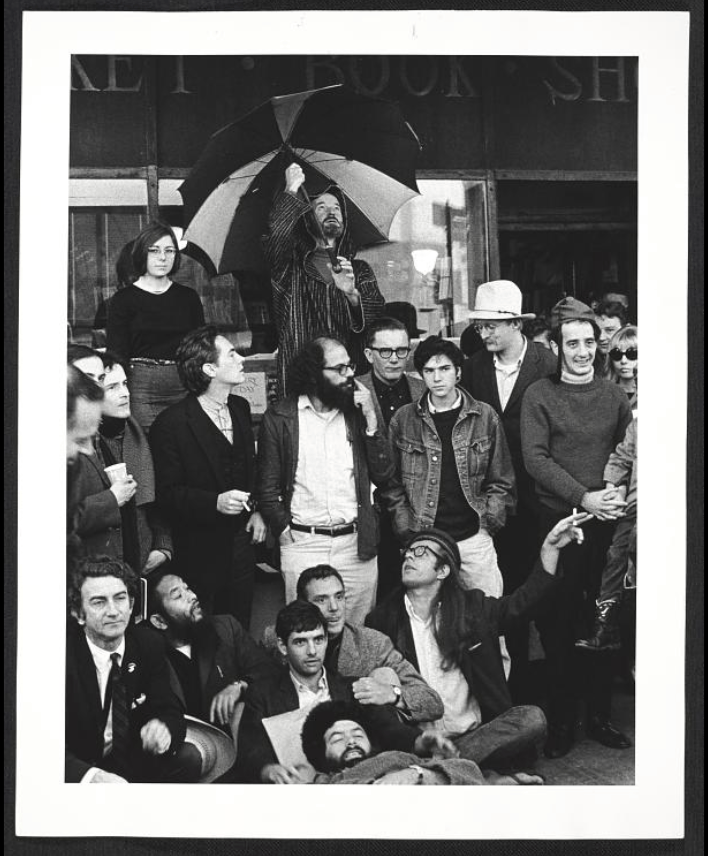
If you’ve ever heard the word beatnik, one of the first images that likely comes into your mind is of a lanky male or female dressed head to toe in black with a beret on their head, a turtleneck, slim slacks on their body, and loafers on their feet. As well, you may also associate them with poetry and smoky jazz cafes or coffee houses. However, there is so much more to the history of the beat generation. They were rebellious and spoke out against the way that society had changed after World War II. They were using their fashion style and their words to voice out against what they believed to be a world moving in the wrong direction.
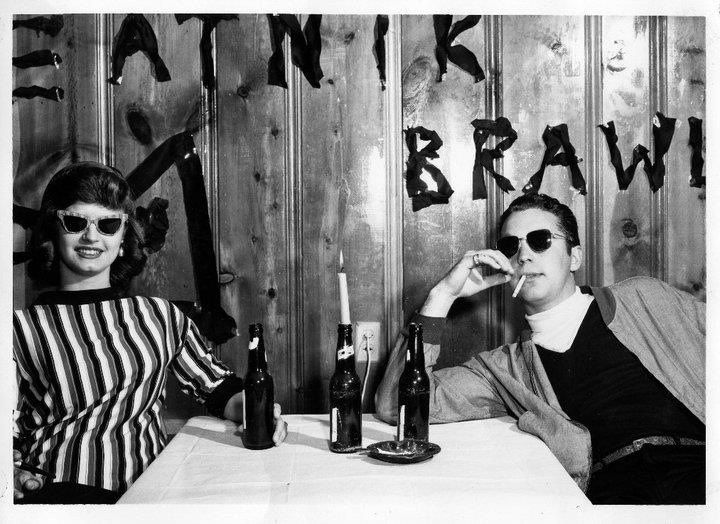
To find out more about the beatnik generation, its history, and its style, keep watching.

“The term ‘beatnik’ was coined by Herb Caen of the San Francisco Chronicle on April 2, 1958, blending the name of the recent Russian satellite Sputnik and Beat Generation. This suggested that beatniks were “far out of the mainstream of society” and “possibly pro-Communist.” Caen’s term stuck and became the popular label associated with a new stereotype—the man with a goatee and beret reciting nonsensical poetry and playing bongo drums while free-spirited women wearing black leotards dance.” {Wikipedia}
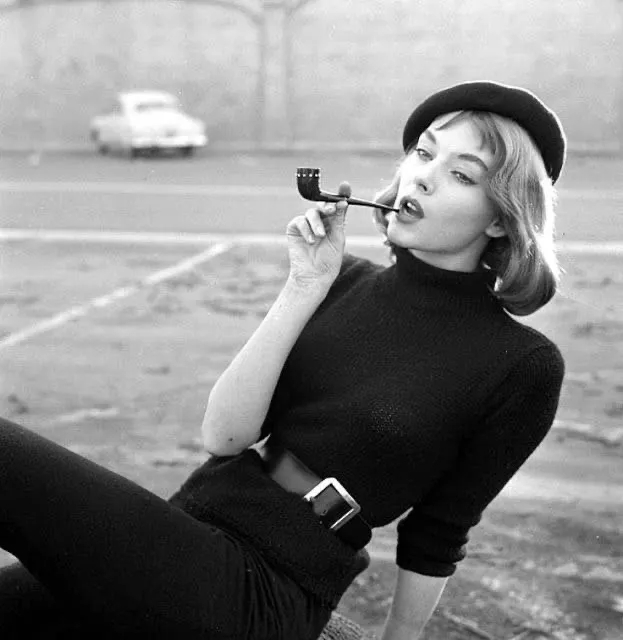
If you’ve ever watched a movie from the mid-1950s up to the early 1960s, you may have come across scenes that take place in Bohemian-style coffee shops. In those scenes, you’ll see poets or musicians doing some sort of beat style poetry, spoken word or music, and there were always bongos. One of my favorite movies with beatnik style is the Jimmy Stewart and Kim Novak movie called Bell, Book, and Candle. It also stars one of my favorite all-time actors, Jack Lemmon, who, of course, works in a coffee house and is part of the house band, and he plays the bongos.
Before I get into what the beatnik style was, I want to talk about the history of the beatnik culture.

As with many fashion trends, it is usually inspired by some kind of culture or era, or some kind of artistic inspiration. Beatnik fashion is no different. Firmly linked to what is called the Beat Generation, it was considered a counterculture movement, and it was heavily influenced by artists, intellectuals, and anyone who was off the beaten path. and they usually frequented coffee houses, bookstores, jazz clubs, or some very smoky, underground-type establishments. It was a very Bohemian style culture. Toronto had its very own counterculture, artistically driven, Bohemian-style neighbourhood. That was Yorkville back in the ’50s and ’60s. Today, if you were to visit Yorkville, it is not anywhere related to what that culture was back then. Now it is very sheeshee, high-end, boutique stores, rich people’s playgrounds. A far cry from what it was during its beatnik generation era. Other little pockets in the city of Toronto also had a similar culture; the Annex was one of the other ones. Every major city would have an area that was dedicated to the beatnik generation. London, San Francisco, and New York are other examples of large cities that have a very colorful and interesting history in their culture. Speaking of New York City, this was where the movement began.

Beatniks were considered rebellious, and in their own way, they were rebelling against society. What was that way, you ask?

As with many artists over the centuries, they rebelled through their art, and with the beatniks were amongst those artists. The beatniks were rebelling against conformity, materialism, and what American society became after World War II. 

After World War I, the world went through a cycle of wealth and insane spending, to the Great Depression, and then to war. When the Second World War ended, the world began having a cycle of wealth again. People had become materialistic, and their spending habits had changed greatly from the decade previous to the war. This was one of the things that the culture was rebelling against. They were critiquing what was now perceived as the American dream. Keeping up with the Joneses. The stages of life once again being: get married, own a house, have a car, and work at a job that you stay at for your entire life. The wife stayed at home and cooked, cleaned, and raised the children. As Bohemians, they wanted to live their lives freely, artistically, and not have to follow the rules of what was considered the standard way of life. Through their art, they were trying to find a way to liberate themselves from all of that.

During this time, several writers and artists became incredibly well-known. 

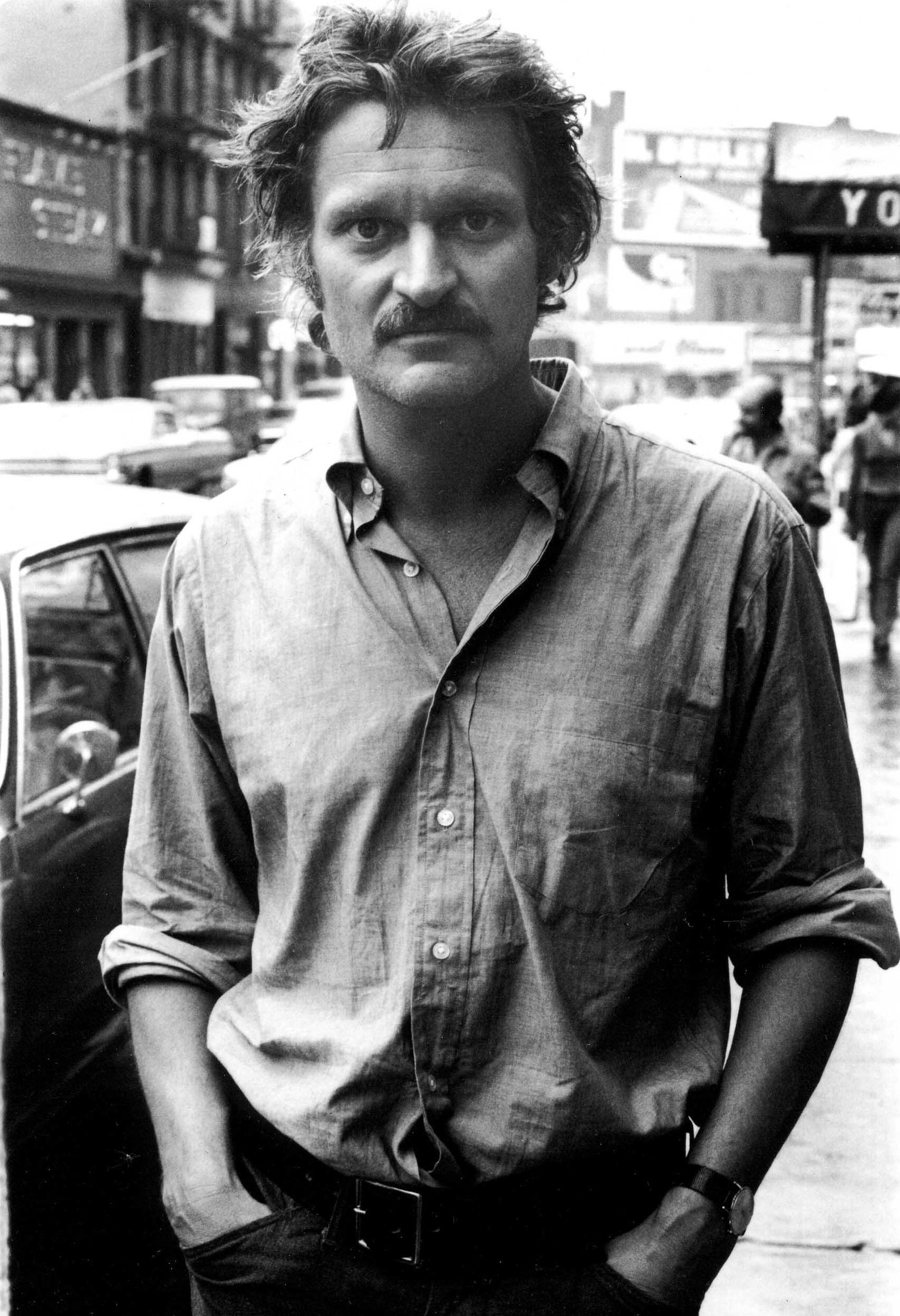
Writers such as Jack Kerouac, Allen Ginsberg, and William S. Burroughs are considered to be key figures in the movement. If you’ve read any of their works, you would see a very strong message in them about fighting against this conformity. 

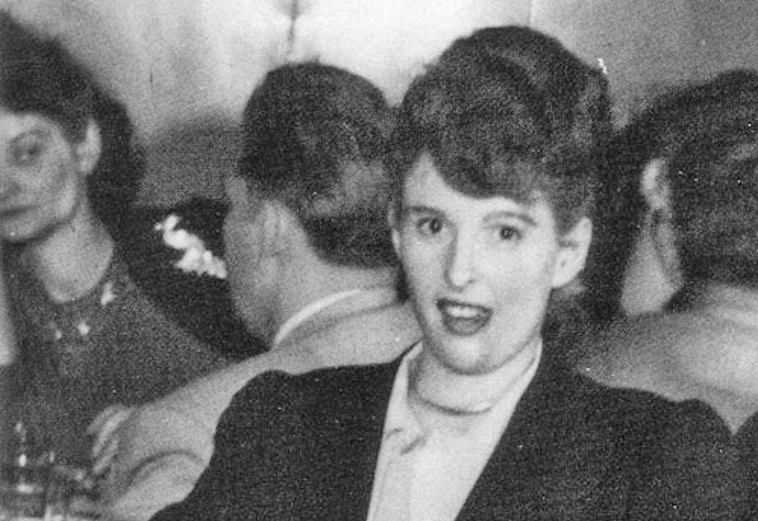
Other important poets, writers, and artists of that time would include Edie Parker, Ted Joans, John Asbery, and Ruth Weiss.

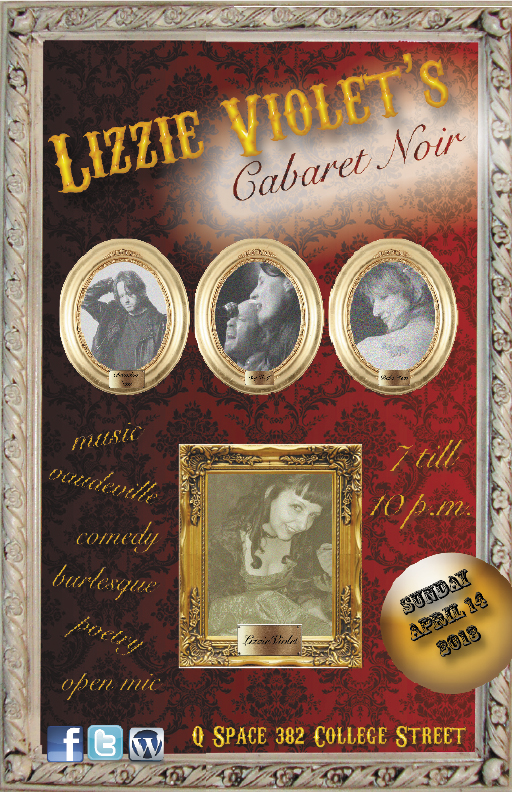
As I mentioned above, a huge part of the beatnik culture was the poetry scene and the music scene. Here in Toronto, I was part of both of those scenes. I ran a cabaret called Lizzie Violet’s Cabaret Noir, and part of that Cabaret was poetry and music. I was good friends with a lot of very Bohemian-style artists. One in particular was Nik Beat. Nik’s name was a variation of the word beatnik. Nik was a very well-known artist and poet in Toronto, as well as a huge supporter of the arts. He had a weekly show on the radio station CIUT. I performed on the show a few times, and I’m very grateful to have known him. Unfortunately, he passed away a few years ago, but as I was writing the script for this video, I was thinking about Nik as well as my time in that scene.


Along with running a cabaret, I was also a spoken word artist. Being a spoken word artist, I was also part of the poetry community. I’m no longer part of that scene as I had walked away from it when the pandemic happened, and at that point, I had already moved on to other artistic endeavors.

As promised, let’s talk a little bit about beatnik style.
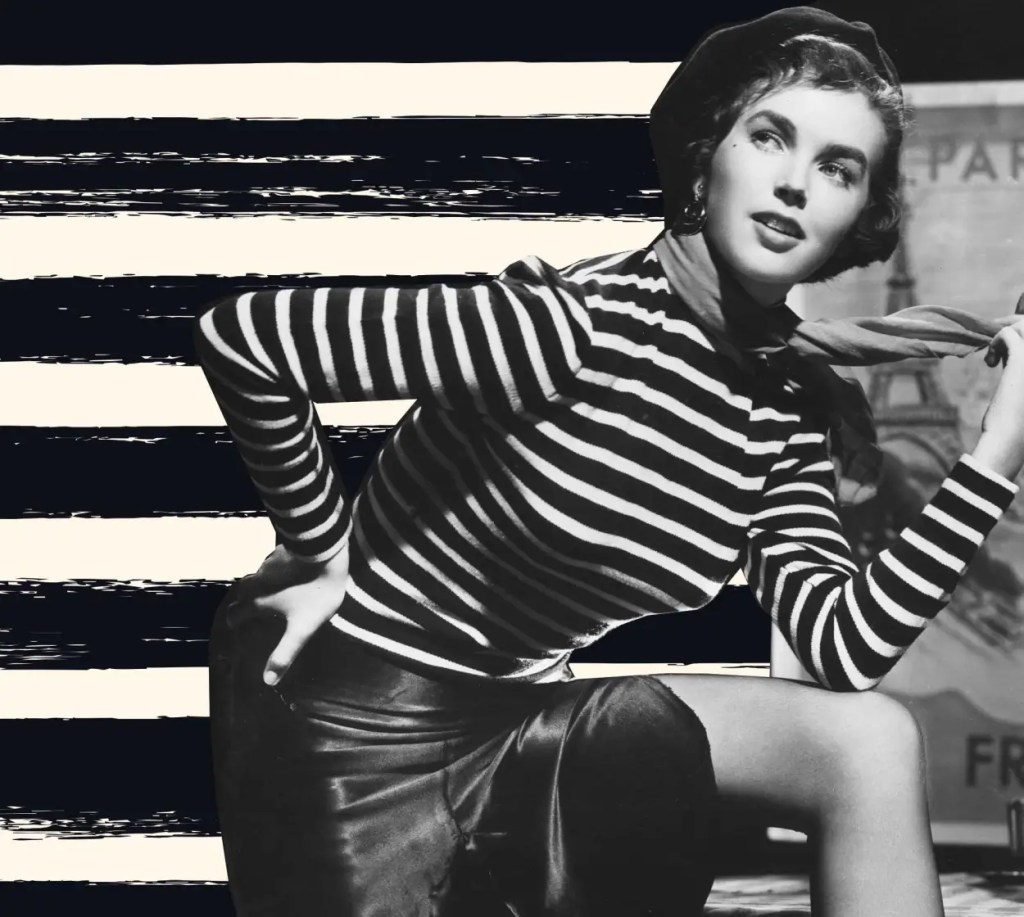
Beatnik style was a combination of a few different looks. Both men and women embraced this style, and one of the reasons was its simplicity. But I’m getting ahead of myself, let me tell you a little bit about exactly what beatnik style is.

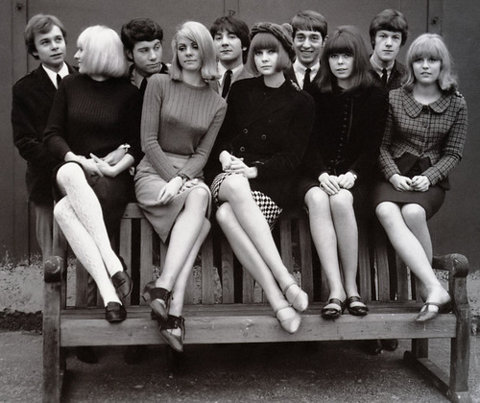
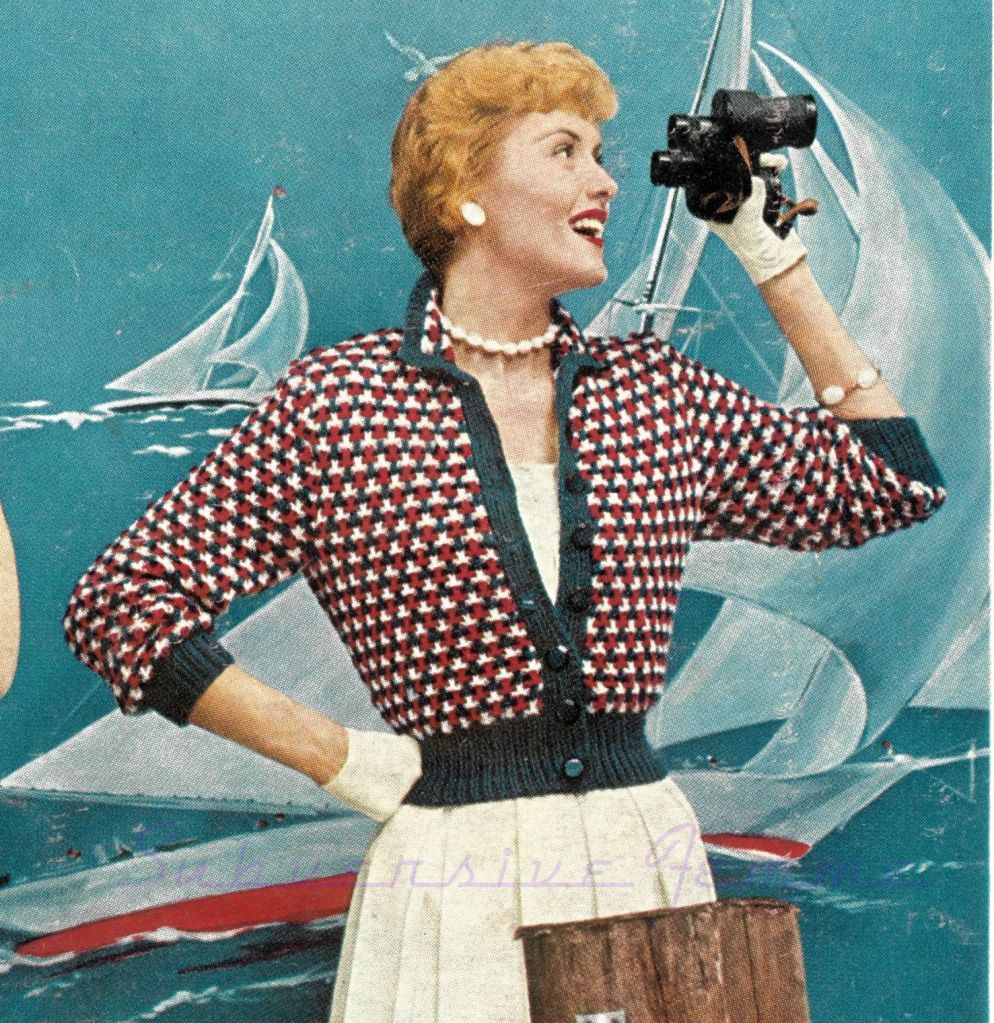
Beatnik style was probably at its height towards the end of the 1950s, and it was usually described as a very minimalist, intellectual, and androgynous style. Men and women tended to wear very similar styles. This look would include mostly black clothing, occasionally another color would pop in, such as white, and it was a mishmash of turtlenecks, skinny tight pants similar to narrow-legged trousers or ankle-length capris, and the footwear was always comfortable. Women who were into beatnik fashion usually steered away from high heels or any kind of uncomfortable, fashionable footwear.

Another very well-known and very familiar beatnik style is the striped long-sleeved top. It would be in the fashion of either a turtleneck or a Breton-style top. Breton would be a wide, round-neck or boat neck shape.

Along with berets, as headwear, you would almost always see beatniks wearing sunglasses. It didn’t matter if they were indoors or outdoors. They were also very likely not to be sun worshipers in any sort of way. They would rather spend their time inside a dark, smoky coffee house.

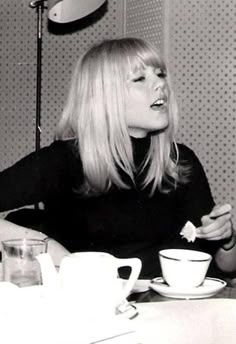
Women’s hairstyles tended to be long and straight with bangs, a variation of the Bettie Bang that was popular in the 1940s. Bettie Page especially made that look famous. Men usually had longish hair with beards, and often their beards would be in the style of a goatee. 

The beatnik minimalist look would not have any flashy patterns. As I mentioned above, the striped top was probably as flashy as they got. 

Below are a few articles I read when doing my research for this video!

https://vagazine.com/exploring-beatniks-and-the-beat-generation-legacy/

https://en.wikipedia.org/wiki/Beatnik

https://www.anothermag.com/fashion-beauty/8395/how-beatnik-style-made-the-underground-mainstream

https://gbacg.org/finery/beatnik-fashion/

Would you consider your look to be Beatnik? If you were around in the 1950s, would you be part of the Beatnik culture?

I hope you enjoyed this video, please subscribe, give this video a thumbs up if you liked it and also, I now have memberships on this channel and those memberships do include early access to weekly videos, eventually I’ll do semi-regular members only chats, you’ll get discounts to new products, I’ll also do some members only posts, videos and possibly some tutorials shortly. It does not cost that much to join, and it helps out my channel.

I have a Patreon. I would love it if you became a member.  https://www.patreon.com/killerkitschdesigns

If you are inclined, I have a Ko-Fi account. All donations are appreciated and will help me upgrade my equipment (lighting, microphones etc).

Thank you so much!  https://ko-fi.com/killerkitschlizzie

Other links to follow! Discord: https://discord.gg/yPeZRJpWpk

Instagram: https://www.instagram.com/killerkitsch13/

Facebook: https://www.facebook.com/killerkitsch13

Website: https://killerkitschdesigns.com/

1800s, 1920s, 1930s, 1940s, 1950s, 1960s, adjustable skirt, rebellious fashion

Rebellious Fashion: The History of Skorts

When you hear the word skort, you are likely to visualize part of an outfit that a tennis or golf player might be wearing. Did you know that skorts have a much richer history than that? Did you know they were once considered rebellious fashion? If you want to find out more. Watch this video!

In my continuing series about rebellious fashion, today, we’re talking about the skort!

Before I get into the history, for anyone wondering what a skort is, let me explain. 

A skort is a combination of shorts and a skirt. The current design has a flap of fabric that covers the entire front of your shorts. If you look at female tennis players, you will generally see them wearing this garment. The beginnings of skorts started long before modern times!

Beginning around the 1890s, women began cycling. A huge fad that women felt they should be able to be a part of. However, their heavy skirts did not allow for them to do this with ease. Being able to use a bicycle also allowed women even more freedom. You also need to remember that we also have the Suffrage movement happening at this time, so every little bit of independence was a huge win. It is rumoured that many of those leading the movement enjoyed being able to utilize a way of transportation that only men did.

The original skort was more like a very voluminous pair of trousers. This allowed freedom of movement for the female cyclist, as well as allowing them to safely use the bicycle. You can just imagine getting one of those long and bulky skirts caught in a bicycle chain. That would have led to some serious injuries.

How did these trousers fare? Not very well. At that time, women simply did not wear trousers. According to society, it took away from their femininity. Trousers were meant for men. After getting a taste of the freedom of cycling as well as trousers, many women didn’t want to go back. This had women rethinking the clothing they were currently wearing. Restrictive corsets, huge skirts, bustles, and sleeves. In addition to trousers being meant for men, the cycling trousers would do something shocking to society. It exposed women’s ankles. Women would still be wearing wool stockings with their cycling trousers, but… society still had issues with this.

Could there be a compromise? 

French designers would have the answer.

Always innovators of fashion, French designers were the first to evolve the cycling trousers into skorts! The French creation would be the trouser skirts. This allowed the freedom of trousers while continuing to keep modesty in check. In 1911, Paul Poiret produced several designs that were a combination of skirts and trousers, which were known as jupe-culottes, or also known as harem pants. 

In the 1930s, there was a fitness craze and the desire to have more athletic-looking bodies. Because of this, even more women were taking up sports, especially tennis and golf. The skort also became popular as everyday wear. Skorts were still fairly long at this time, and it wasn’t uncommon for a woman to wear wool stockings with them. 

In 1931, enter one of our favourite rebellious fashion designers, Elsa Schiaparelli! Elsa designed a pair of skorts for Spanish tennis player Lili Alvarez. This version of the skort was a pair of culottes (which Elsa is well known for), with a piece of fabric draped across the front for modesty. It was the first time that skorts had been worn to Wimbledon. Some of the audience members were aghast and vocal with their thoughts on the skort. When it was worn at the French Open, the audience was much more relaxed about it. 

In the 1930s, you would also see women in college adapting skorts as part of their athletic uniforms!

Then the skort lost popularity. They were still being used in sports, but not in everyday wear. At this point, it was no longer considered taboo for women to wear trousers, and the skort lost its edge. 

Then, in 1959, the skort reappeared in a 1959 Spring/Summer Montgomery Ward catalogue. In this version of the skort, it was a pleated skirt with shorts underneath the skirt. 

Welcome to the 1960s and short hemlines, skorts evolved again to fit with those styles and would remain short for the most part, up until today.

Today, skorts are fashionable in sports and everyday wear. As everyday wear, you get the best of both worlds, shorts and a skirt. Perfect for breezy summer days! However, their history is much more important than that. They were a very important part of feminism, allowing women to participate in the same luxuries as men, from cycling to sports. It was a rebellious statement, and we should always remember that.

At some point in the near future, I plan on self-drafting a skort and will have a tutorial for that.

Other links: 

Rebellious Women of the 1920’s: https://youtu.be/rYlkmwHPNFU 

Rebellious Fashion: Hatpins: https://youtu.be/fkw-5-PbAPc 

I hope you enjoyed this video. Please subscribe and give this video a thumbs up if you liked it. Also, I now have memberships on this channel, and those memberships include early access to weekly videos. Eventually, I’ll do semi-regular members-only chats, and you’ll get discounts on new products. I’ll also do some members-only posts, videos, and possibly some tutorials shortly. It does not cost that much to join, and it helps out my channel.
I have a Patreon. I would love it if you subscribed!  https://www.patreon.com/killerkitschdesigns
I have a Ko-Fi account if you are inclined. All donations are appreciated and will help me upgrade my equipment (lighting, microphones, etc.). 
Stay Kitschy T-shirt! https://ko-fi.com/s/d1c506b10f

Thank you so much!  https://ko-fi.com/killerkitschlizzie

Other links to follow! Discord: https://discord.gg/yPeZRJpWpk

Instagram: https://www.instagram.com/killerkitsch13/
Facebook: https://www.facebook.com/killerkitsch13

1950s, 1960s, cardigan, filthy sugar, handknit cardigan, heather babcock, killer kitsch designs, knitting, knitting community, rockabilly, small business, toronto author, toronto business, vintage, Vintage Community, vintage knitting, vintage knitting patterns, vintage life, vintage pattern, vintage reproduction, vintage style, wanda wiggles

The Miss Bow Collection!

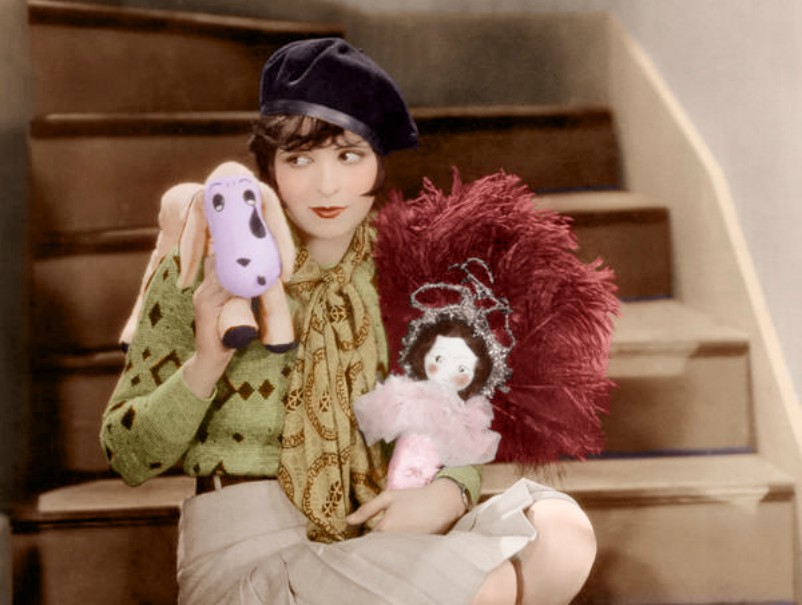
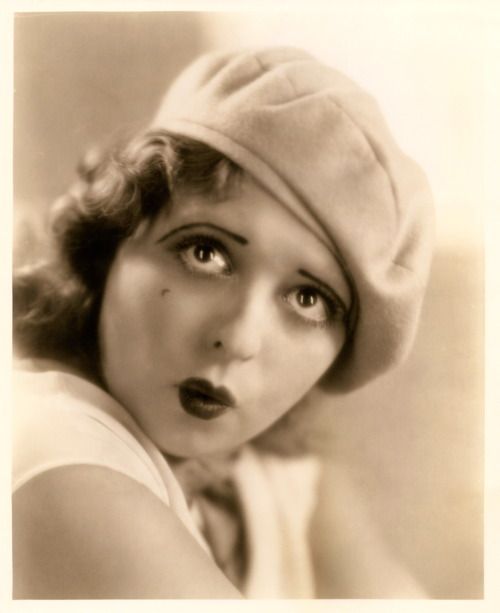
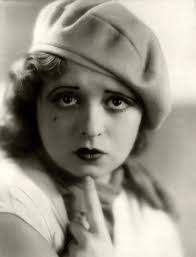
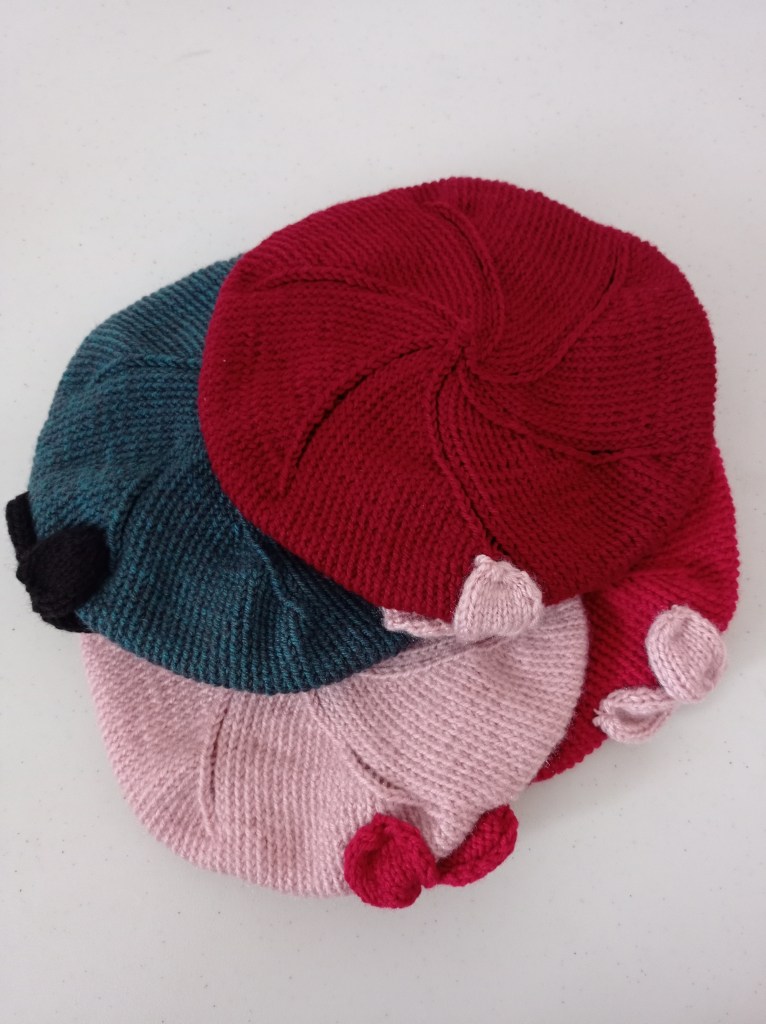
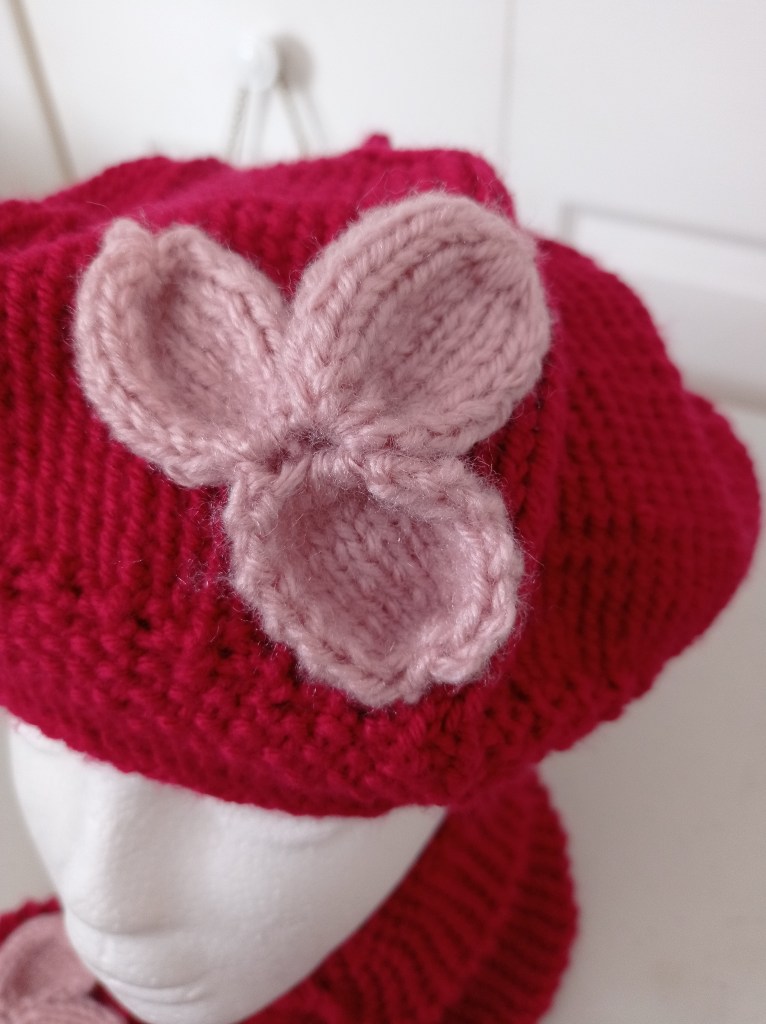
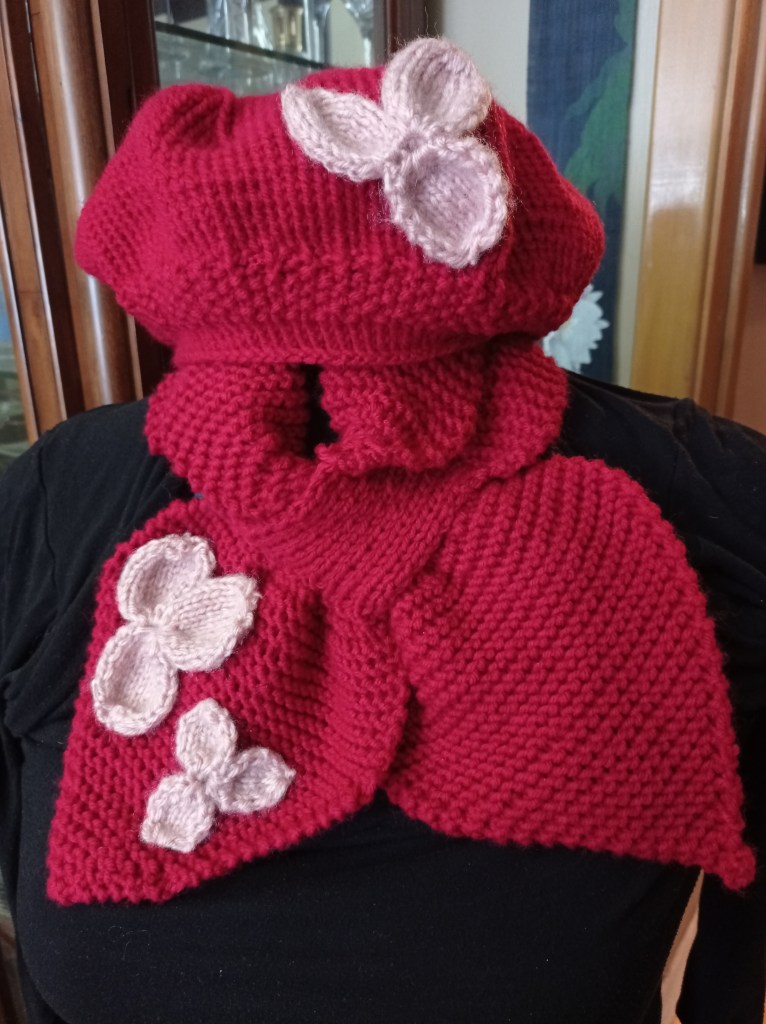
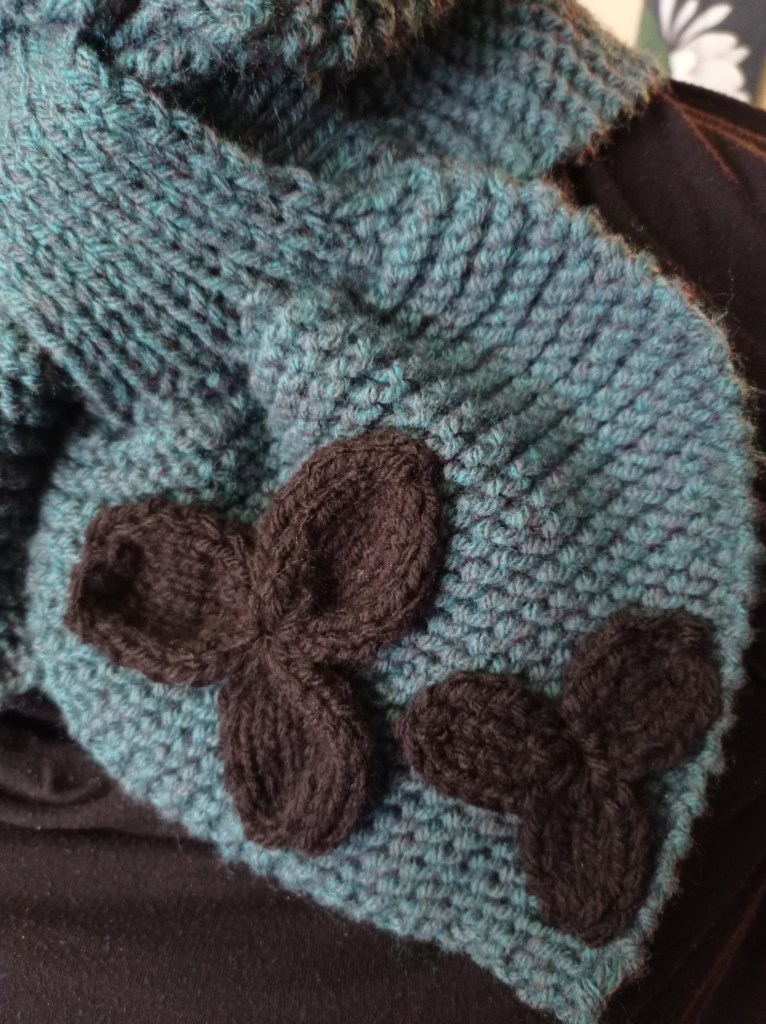
Introducing the Miss Bow Collection, inspired by that sassy beret wearing Clara Bow! Clara Bow was an actress of the pre-code and silent film era and known for her very sexy style. Clara was also a huge fan of berets and ascot style scarves! This is why The Miss Bow Collection is named after her. 

Both the beret and ascot scarf are hand knit from original 1930s patterns and are made from the softest 100% acrylic yarn. 


The collection is on sale in our Etsy Store. I will add the link for each colour below.

Colour:
Miss Bow in Cherry Red with Blush Pink flowers
Miss Bow in Teal with Raven Black flowers SOLD OUT
Miss Bow in Blush Pink with Cherry Red flowers SOLD OUT

Size (beret): The beret fits most average sized heads.

Size (scarf): From keyhole to keyhole is approximately 14” unstretched. Because of the way the scarf is knit, it will have a good amount of allowance for stretching.

We are also having a giveaway to help celebrate the launch of this new collection! All the details are over on Instagram and our Killer Kitsch account!

1950s, 1960s, cardigan, filthy sugar, handknit cardigan, heather babcock, killer kitsch designs, knitting, knitting community, rockabilly, small business, toronto author, toronto business, vintage, Vintage Community, vintage knitting, vintage knitting patterns, vintage life, vintage pattern, vintage reproduction, vintage style, wanda wiggles

The Nicest Bad Girl Cropped Cardigan

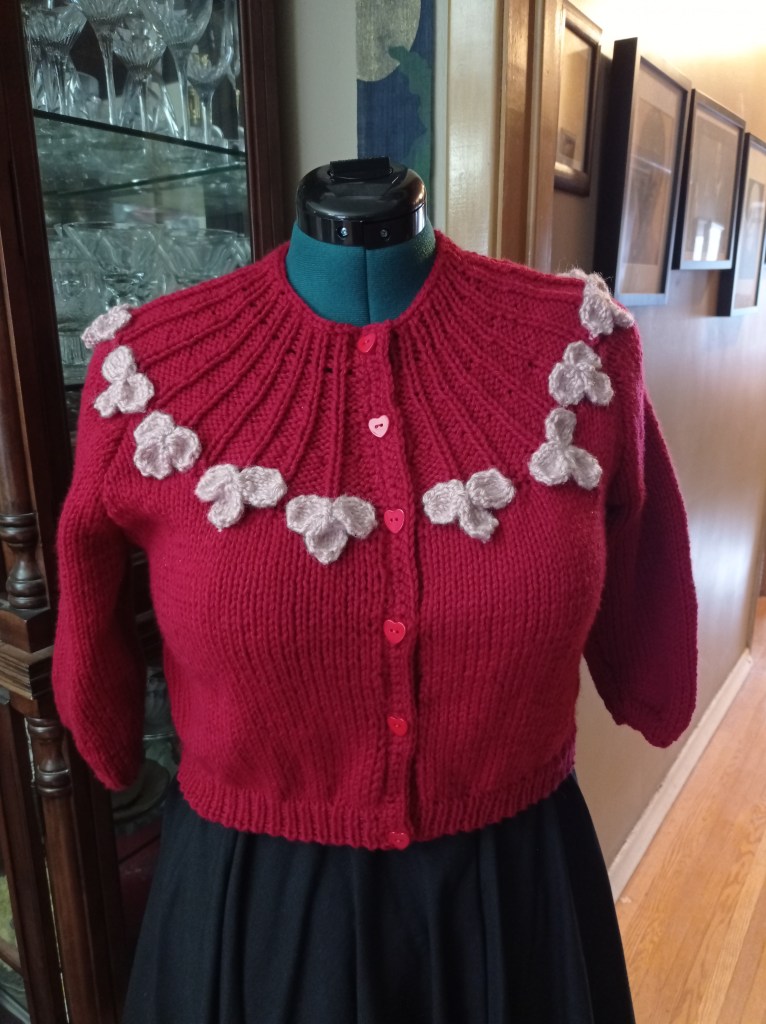
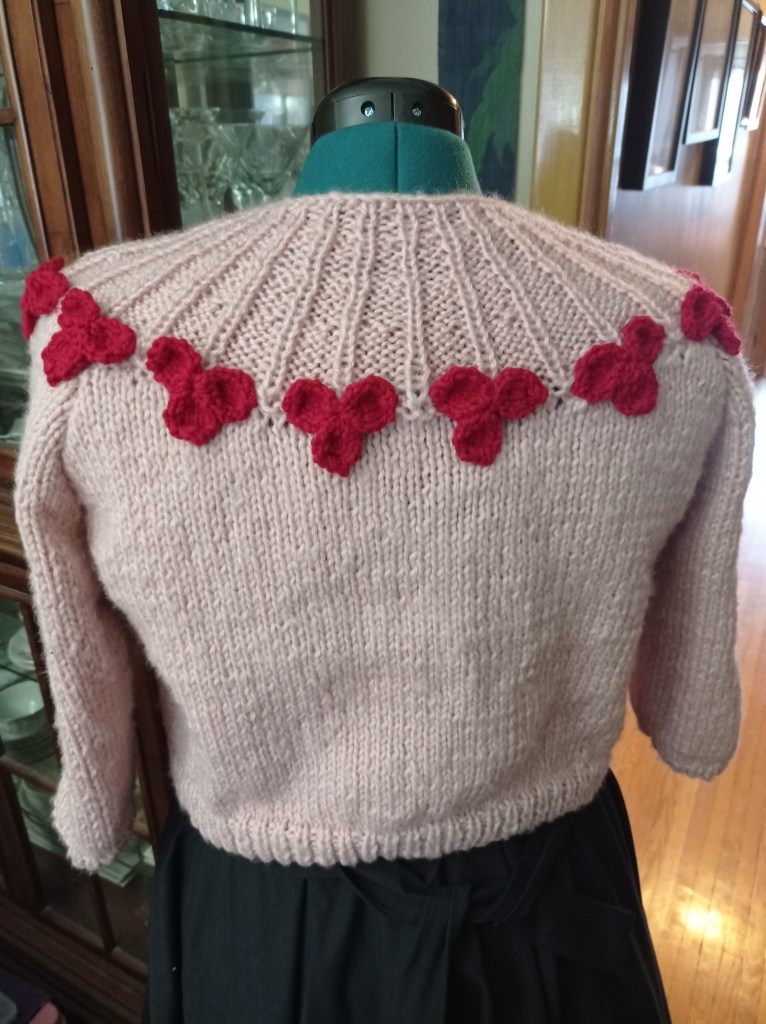
I now have two versions of The Nicest Bad Girl Cropped Cardigan for sale in my Etsy store! I will have a few more colour combinations coming, but I wanted to get these ones up now, as they will be perfect for your Valentine’s outfit!

The Nicest Bad Girl Cropped Cardigan name was inspired by my friend Heather aka Blue Suede Sue (you will find her over on Instagram) and the nicest bad girls from the b-movies of the 1950s. These nice bad girls could be sweet as pie, but you sure wouldn’t want to make them mad! This cardigan is handknit by me, from an original 1950s pattern. 

The Nicest Bad Girl Cropped Cardigan is made from the softest 100% acrylic yarn. The fit of this cardigan is cropped (sitting at your waist) and the overall body is a looser fit. The sleeves are ¾ in length so you can show off your lucite bracelets. 

Click on below to go directly to your cardigan of choice!
Cherry Red with pink flowers!
Blush Pink with red flowers!

1920s, 1930s, 1940s, 1950s, 1960s, cardigan, knit-a-long, knitting, knitting community, vintage, Vintage Community, vintage knitting, vintage knitting patterns, vintage life, vintage pattern, vintage reproduction, vintage style

All The Cardigans!

Recently, I took an inventory of all of my hand knits. Rather than knit everything I see, I decided it might be a good idea to fill wardrobe holes. You see, the cubbies I use for my knits is bursting and I need to be a lot more selective about what I make. There are two types of garments I am lacking at the moment, summer tops and cardigans. Since winter is approaching, I thought I would get a head start adding some warm, cozy cardigans to the knits.

All of the cardigans I am knitting, have been inspired by some very lovely and talented knitters I follow on Instagram. Thank you Bex, Erica, Amanda and Suzanne! I have finished one of four I plan on making. All will be fairy quick knits since they will be in worsted weight yarn and I’m choosing colours I don’t currently have. Yes! You heard that right, they won’t be black or burgundy… though… one might be red, but a brighter red!

Oh and if you want to join in we are doing a vintage cardigan knit-a-long over in our Facebook group. https://www.facebook.com/groups/killerkitschvintagewips

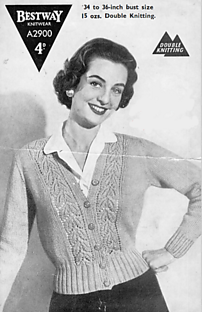
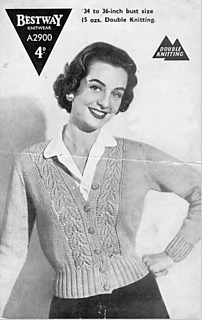
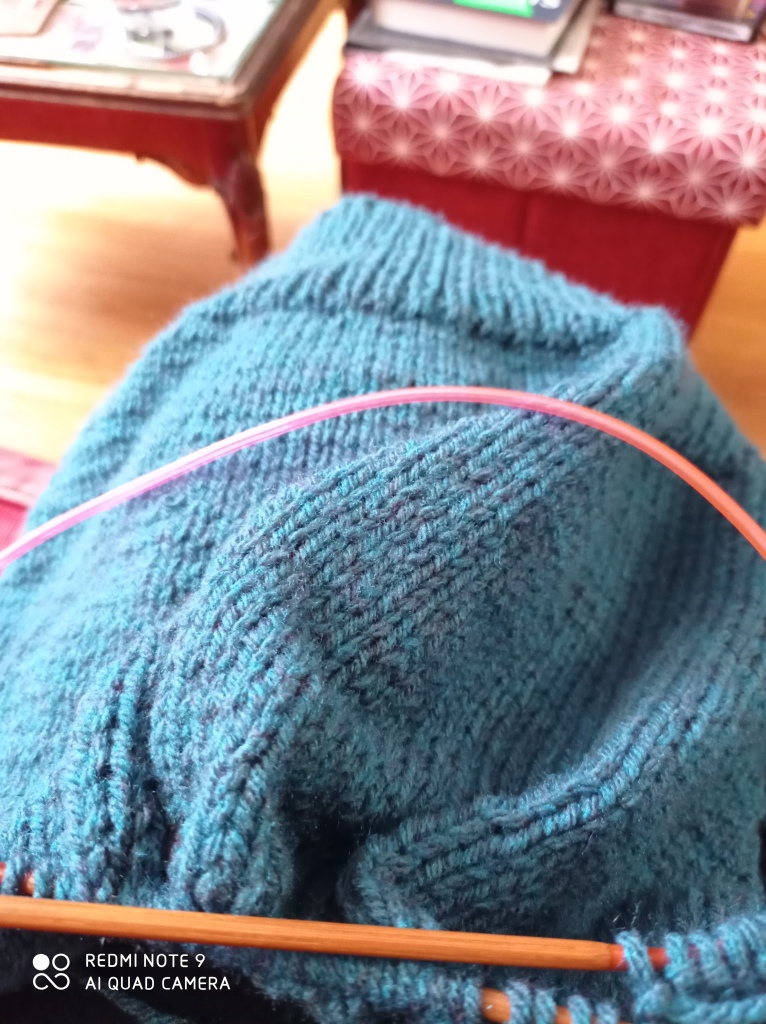
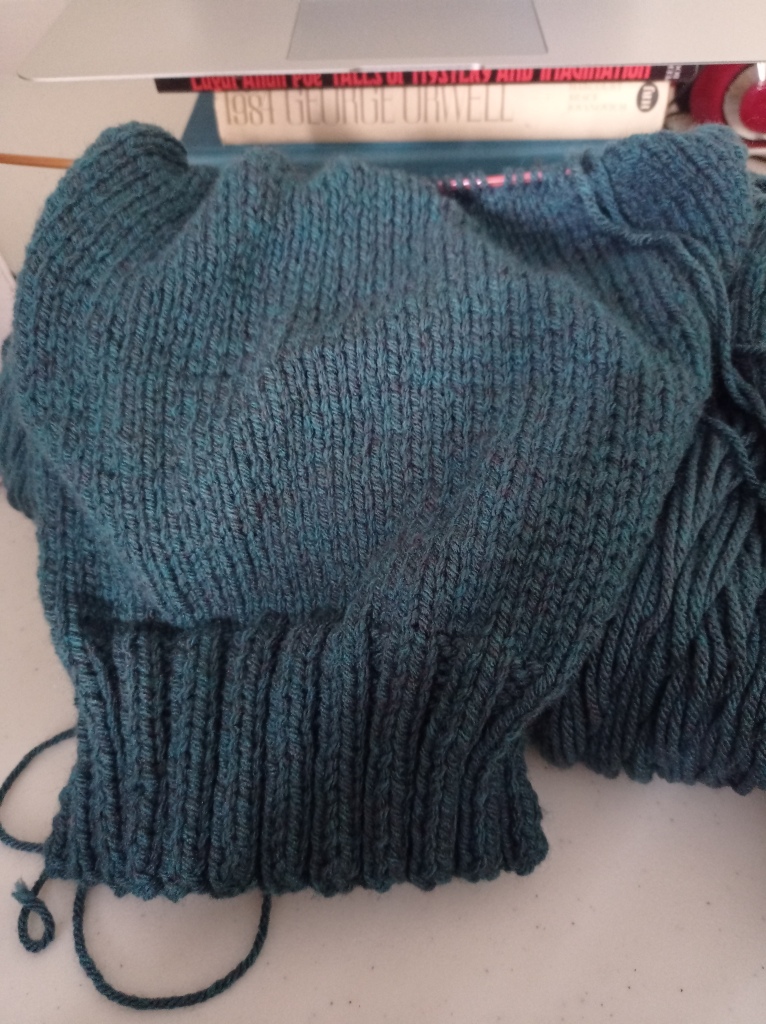
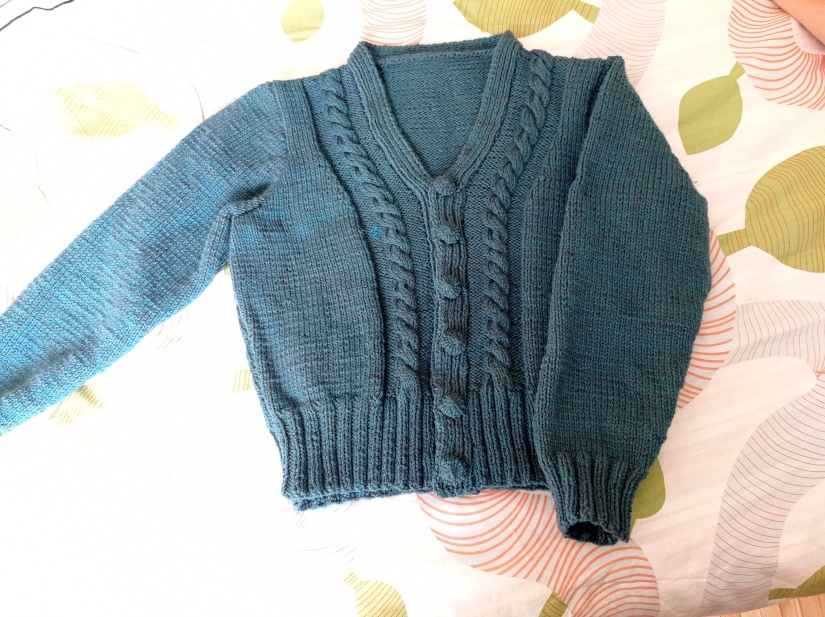
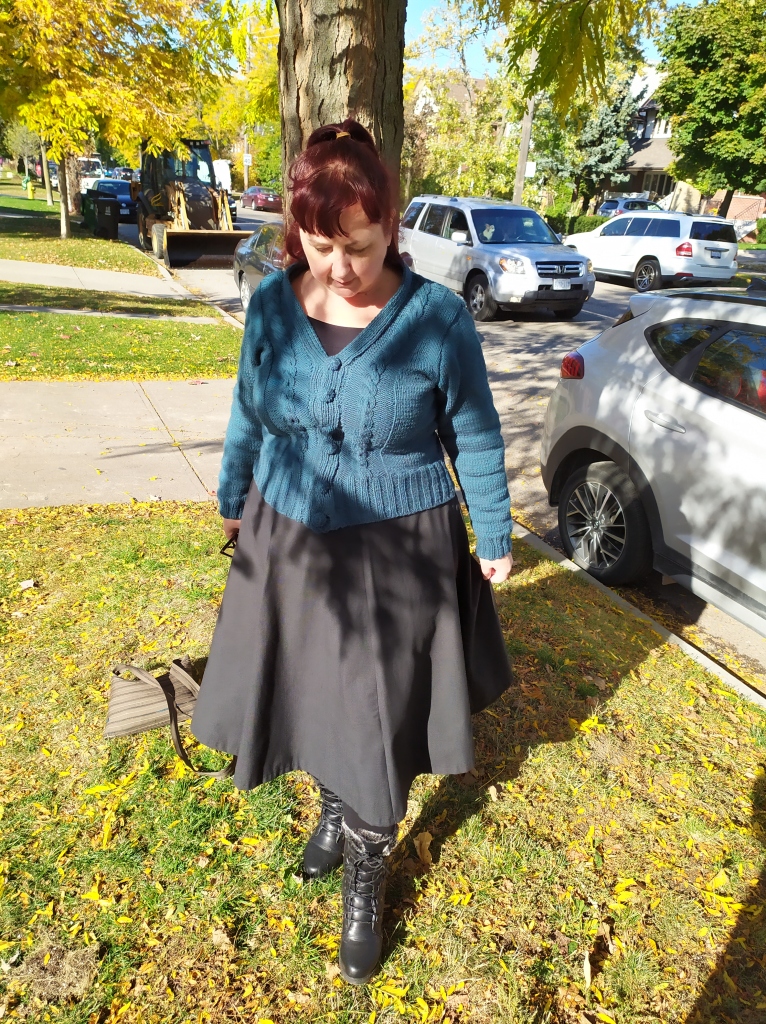
As I mentioned above, I have finished one of the cardigans. Please check out the slide show below. It was a super easy knit, with one exception… the lace instructions were confusing. I read them several times, wrote them out a bunch of different ways, tried knitting them over and over and they came out wrong! I’m an experienced knitter and have knit lace before. I’m especially experienced at knitting vintage patterns and was super frustrated that I couldn’t figure out the lace part. Rather than toss the cardigan aside, I decided to do a cable pattern in the panel instead. I noticed that Suzanne (please click here to follow her Instagram account and see her version) had made a version and her lace came out perfect. I reached out to her and she had the exact same issues I did, however, she persevered and figured out the lace pattern. She has since shared it with me, so I am going to attempt the cardigan again with the lace.

In the end, I really love this pattern. The fit is amazing, it is an easy knit and it’s fast. The next one will be with lace and will likely be a gift. Eventually, I will make a second one for me.

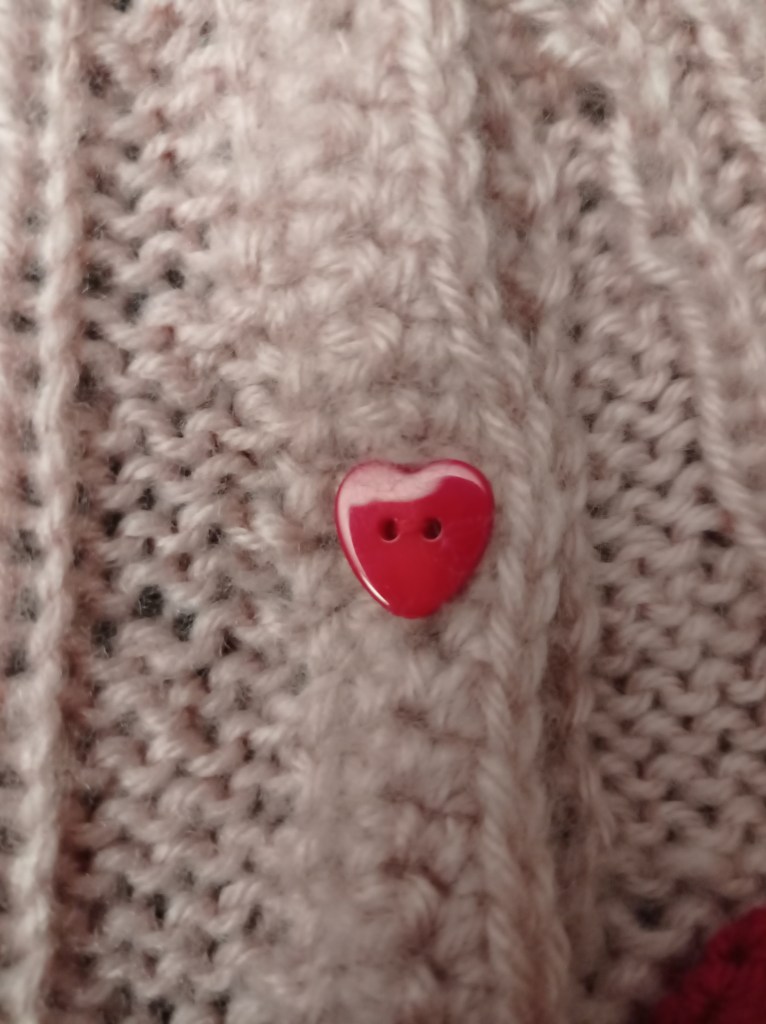
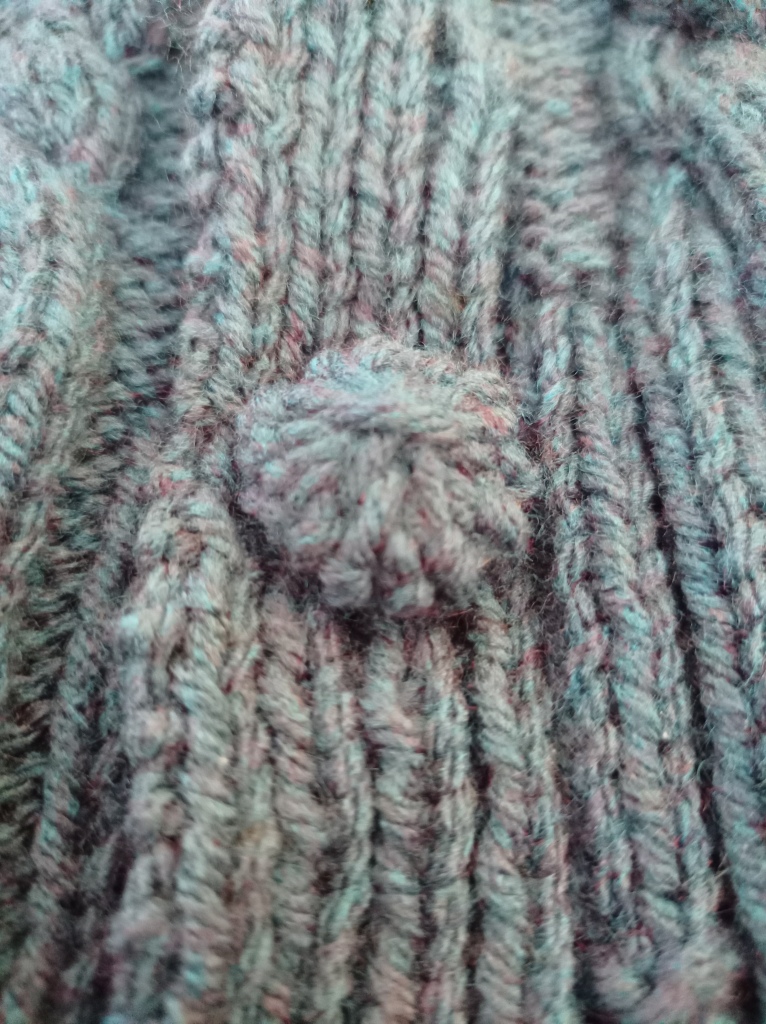
One of my hurrah’s while knitting the Bestway A2900 was, I decided to learn how to make yarn covered buttons! They look complicated, but trust me, they are super easy! Click here for the link to the tutorial I followed.

This isn’t the best photo. This blue is hard to get a picture of. I was using worsted yarn, so it isn’t as defined as if I’d used fingering weight.

The next knit on my list is the Style 110, it’s from Botany Handknit Fashions vol. 10, circa 1957. This is another knit that was inspired by Bex Huland. (click here to follow her on Instagram and see her version) The other knit she inspired was the Denise blouse. She is also my inspiration to FINALLY make trousers!

The Botany cardigan is also in a very fast knit. Bex finished hers in 2 weeks. I’m going to be making mine in purple and instead of adding a floral trim, I’m going to attempt little black bats or if I do decide to go with flowers, they will be either a darker purple or black. There will be an updated blog post when I complete it.

I’ve been wanting to make the Nautical Topper for a really long time. I first saw it when Amanda (click here for her Instagram) knit it as a commission, but it wasn’t until I saw that Erica (click here for her Instagram) had started it and said how fast and easy it was, did I decide to add it to my WIPs list. I’m considering a few different colour combinations, likely in autumn colours rather than the red, blue and white.

I have a lot of knitting on my plate. I will squeeze the cardigans in between Yule knitting. I’m about 50% done my current WIPs for that, but am likely throwing in that cardigan I mentioned. However… I live in Ontario and winter is loooooong! I have plenty of time.

1920s, 1930s, 1940s, 1950s, 1960s, beach pajama, crochet, crochet pattern, crochet-a-long, free knitting pattern, knit-a-long, knitting, knitting community, pants, sew a dress a month, sew-a-long, sewing, vintage, Vintage Community, vintage crochet, vintage knitting, vintage knitting patterns, vintage life, vintage pattern, vintage reproduction, vintage sewing, vintage style

Planning! Upcoming Sewing Plans

I apologize. It’s been a while since we’ve chatted. It’s funny that, because I have been sewing up a storm. I’ve been sewing dresses and tops and some more dresses. Heck, my upcoming plans are quite ambitious if I do say so myself. What should we start with? What I’ve made or what I’m going to make. Let’s get a warm up with the garments I’ve made so far.

Dresses! For the sew a vintage dress a month challenge, I’ve made 5 dresses. I’m currently planning out my June dress. I love this challenge and the fact it has me making more dresses! My closest is currently crammed tight.

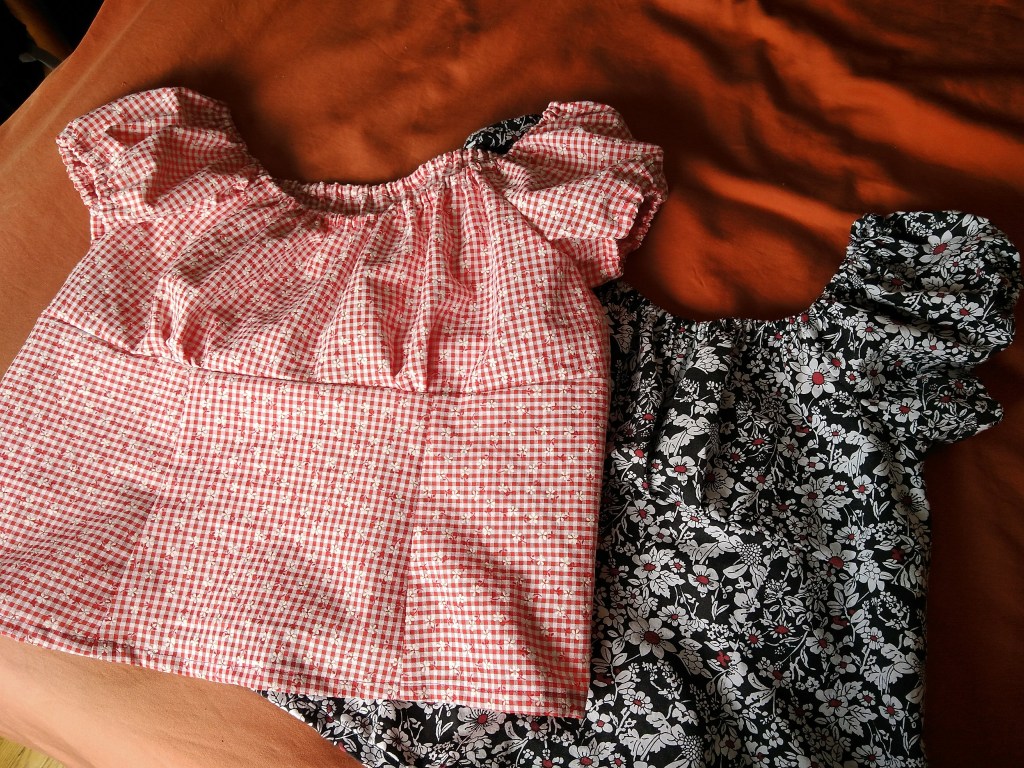
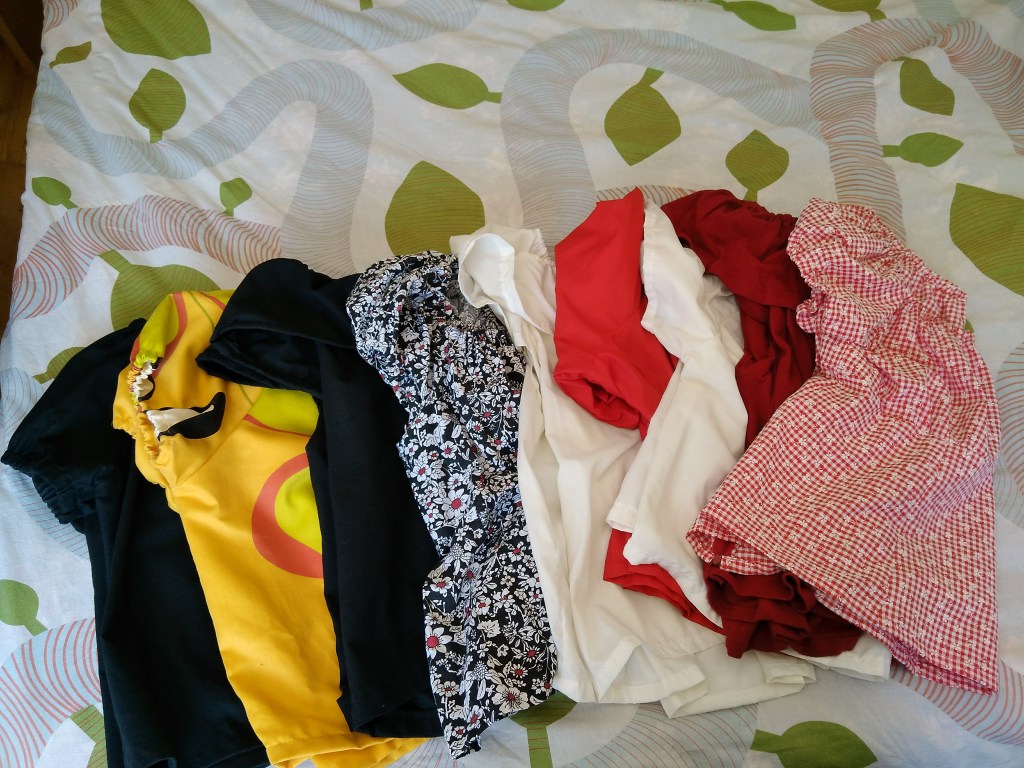
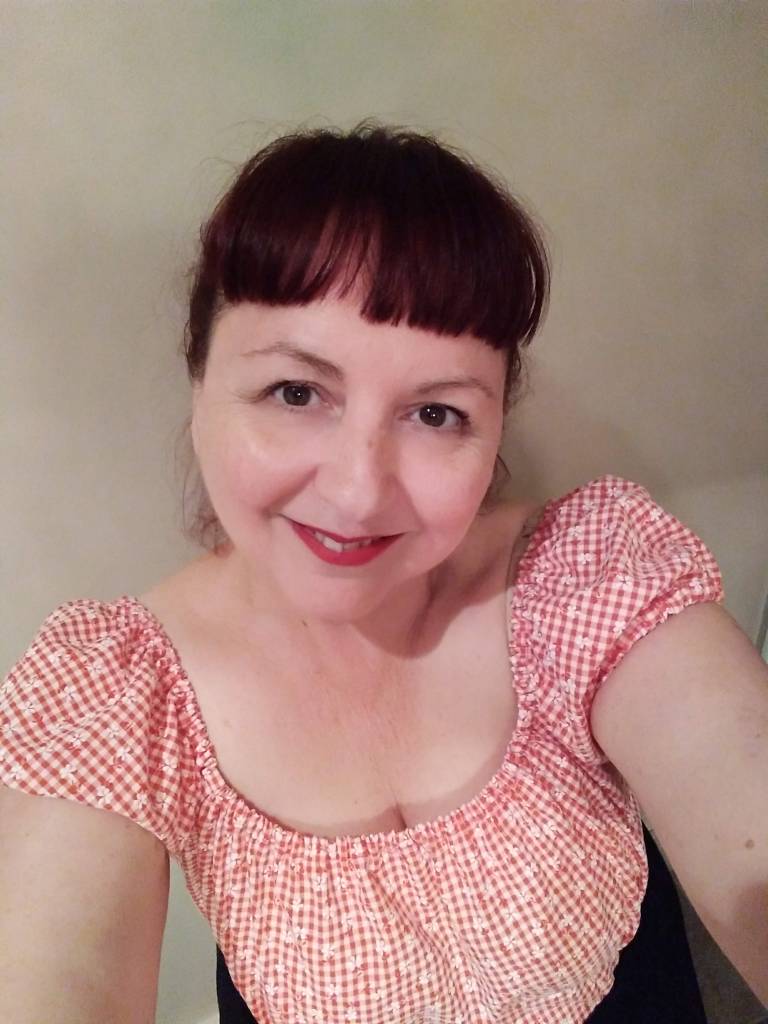
Tops! I have had the Rita Blouse pattern sitting and ready to go for a while! I finally made a couple. They are really quick and fast to sew up. I will definitely be making more.

Upcoming Plans!

Tiki! Tiki! Tiki!

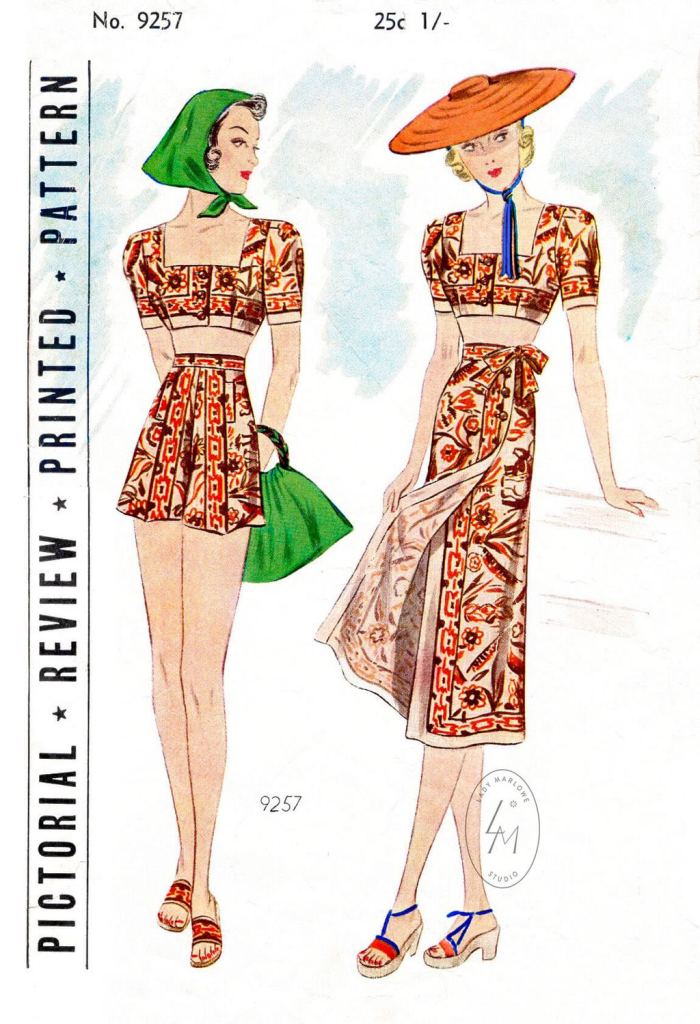
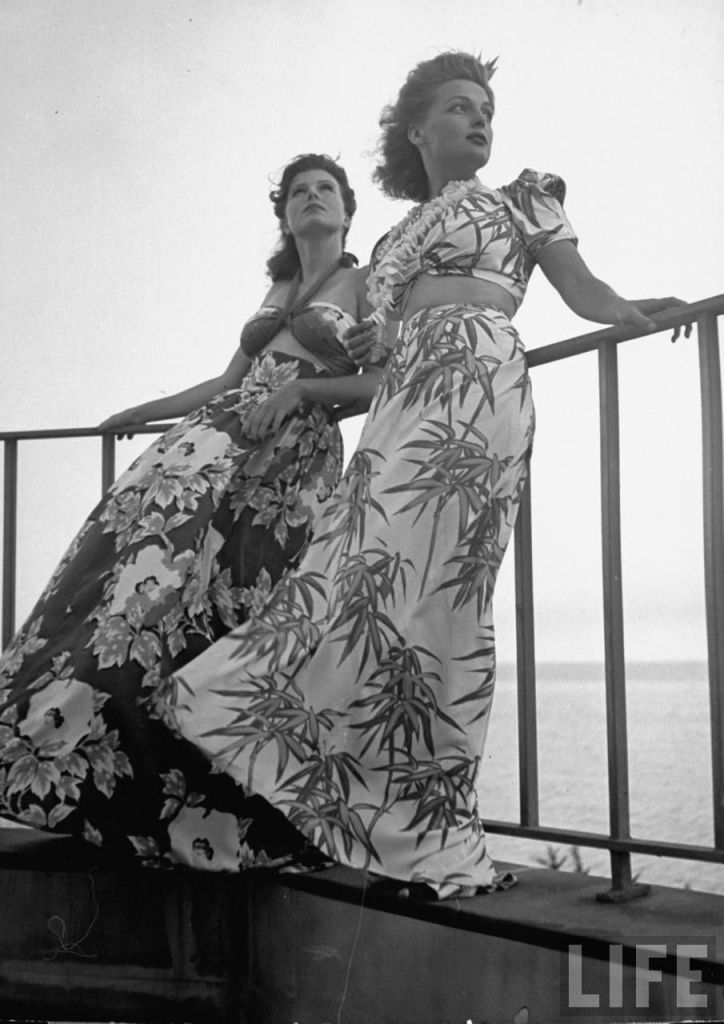
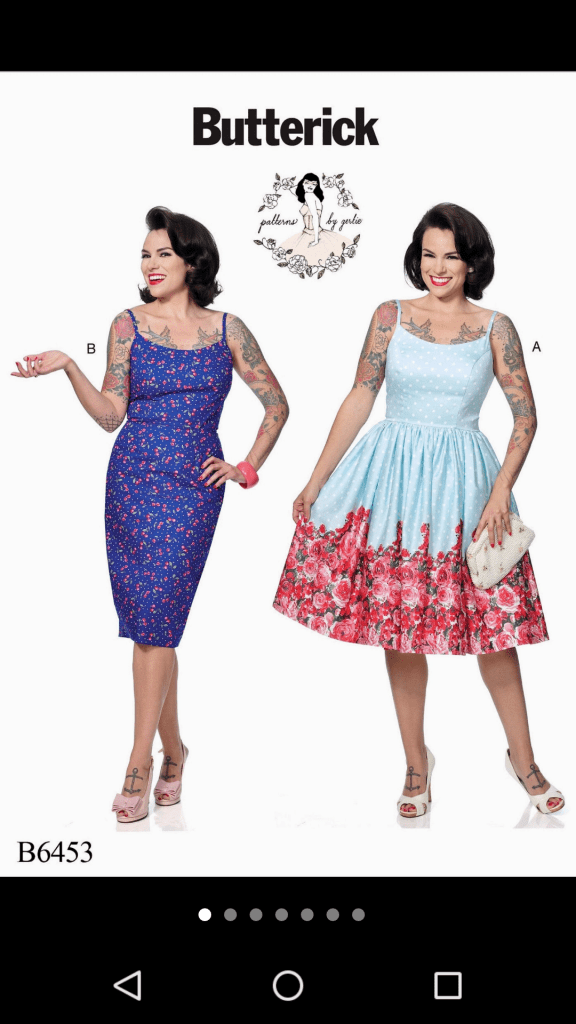
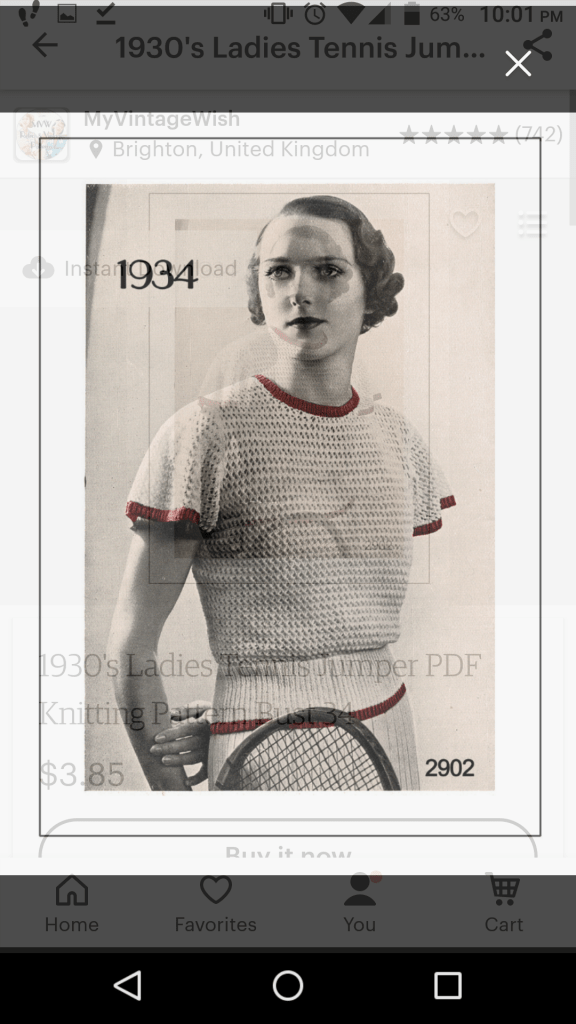
I’ve been excited with the warmer weather approaching, which means I can break out my skirts and dresses. Even though we still can’t go out to bars and event venues that should stop me from wearing my makes or plan on garments that excite me. The theme that is making me really happy right now is Tiki! Here are some photos that are inspiring my plans right now.

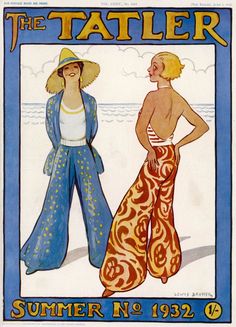
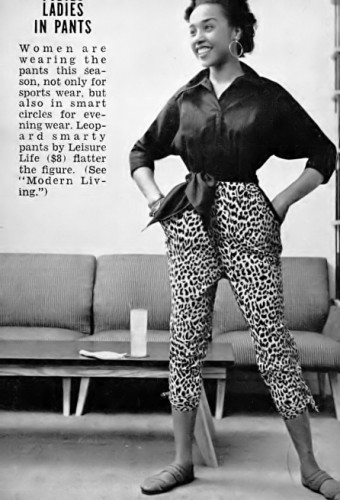
Another garment I have been thinking long and hard about making is pants. I haven’t owned a pair in well over a decade. Why? I don’t like how they fit. Moderns pants are low-waisted and look horrendous on this high-waisted gal.

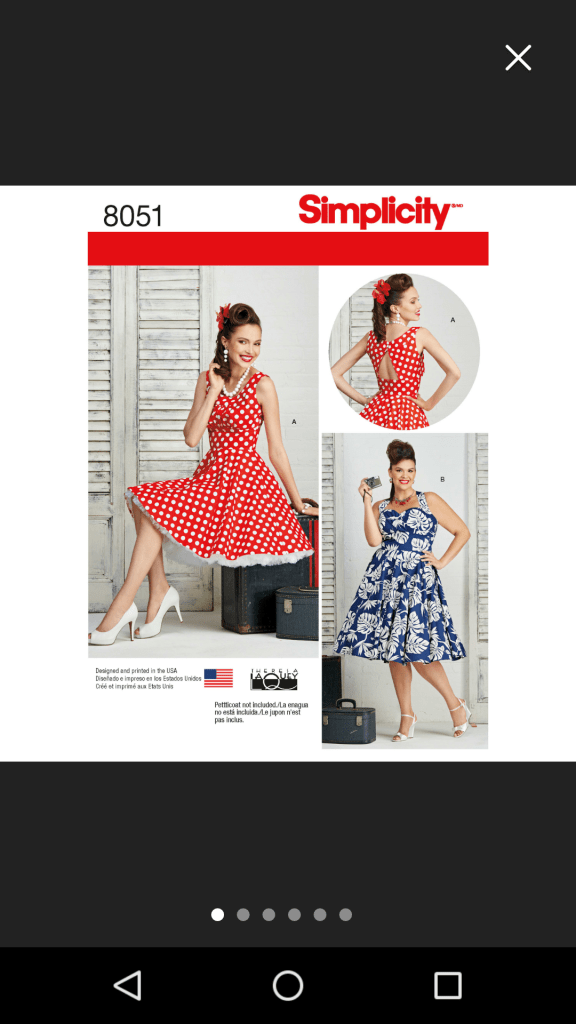
More dresses because a girl can’t enough of them!

We also can’t forget a bit of knitting and crochet. I need to keep my hands busy. Keeps me out of trouble.

1920s, 1930s, 1940s, 1950s, 1960s, crochet, crochet-a-long, killer kitsch sew-a-long, knit-a-long, knitting, knitting community, sew-a-long, sewing, spring, vintage, Vintage Community, vintage crochet, vintage knitting, vintage knitting patterns, vintage life, vintage pattern, vintage reproduction, vintage sewing, vintage style

Spring Has Almost Sprung!

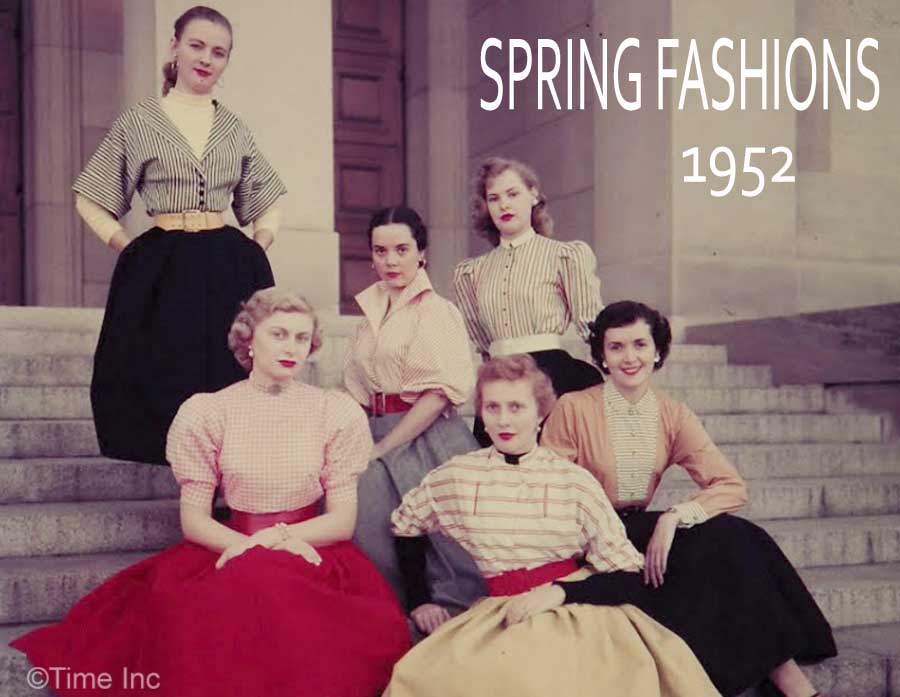
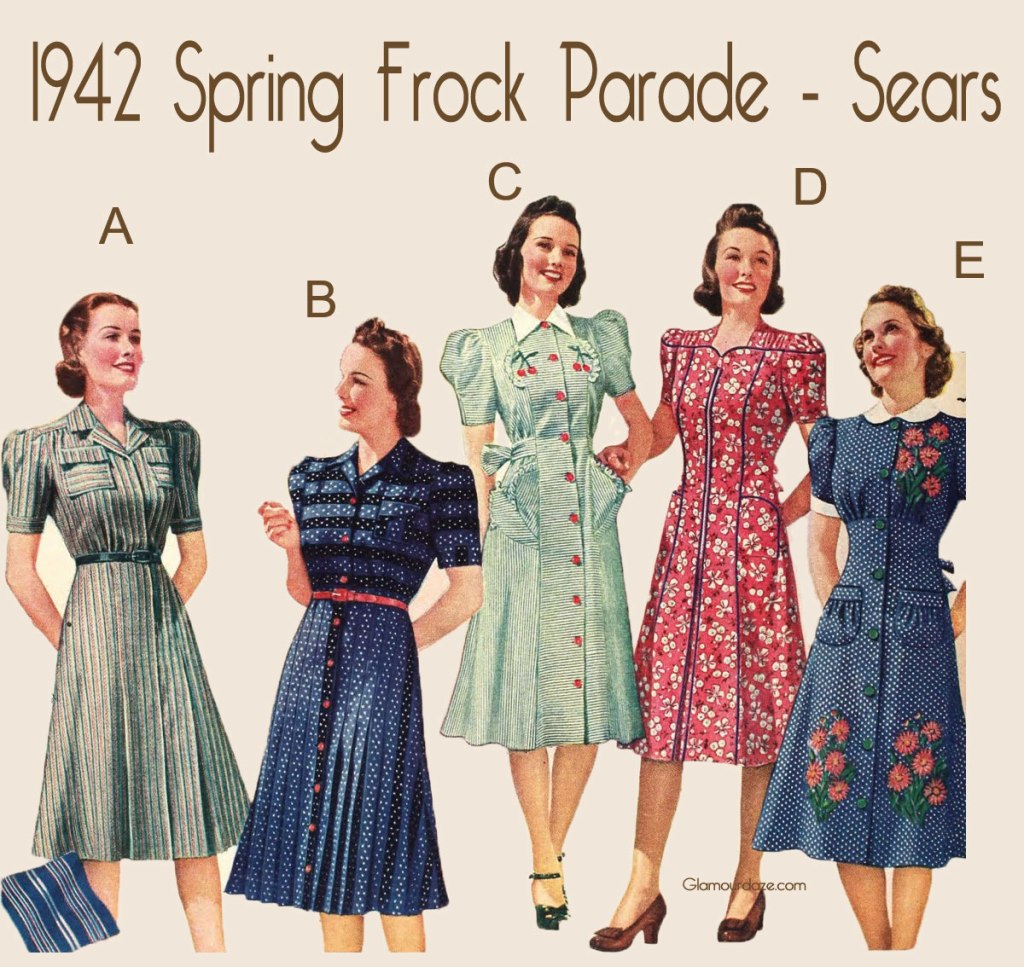
It’s time to announce what our March/April SAL/KAL/CAL will be! It is SPRING! From March 1 to April 30th, show us your Spring sewing, knitting and crochet projects! Here are some photos for inspiration!

As always if you post on Instagram, please tag us at @killerkitsch13 and use one of the following hashtags. #killerkitschsewalong#killerkitschknitalong#killerkitschcrochetalong

1920s, crochet, crochet-a-long, knit-a-long, knitting, knitting community, vintage crochet, vintage knitting

Let’s Knit Like It’s The 1920s!

It’s the 2020! Let’s celebrate likes it’s the 1920s with 1920s style makes!!!

The January to March (January 1 to March 30) knit-a-long will be another bring your own pattern; it just needs to be in the theme of the 1920s. But here is the twist, it can be knit, crochet or a combination of both! Not to worry, if you don’t have a pattern in your stash we can suggest a pattern for you! It can be anything from a cloche to a coat! It is completely up to you!

If you have a pattern you would like to share with the group, please post it in the files or link it in a post. Any and all suggestions are welcome!

The KAL will be in our vintage knit-a-long group. https://www.facebook.com/groups/killerkitschvintageknitalong/

If you post your KAL photos on Instagram please tag me at @killerkitsch13 and use tags #killerkitschknitalong and #1920salong.


1920s, 1930s, 1940s, 1950s, crochet, crochet-a-long, halloween, halloween-a-long, knit-a-long, knitting, knitting community, sew-a-long, sewing, vintage crochet, vintage knitting, vintage sewing

Halloween-a-long

Boo! Or should that be Trick or Treat! Either way, show us your vintage inspired Halloween Costumes during the month of October for our Halloween-a-long!

The October (October 1 to October 31st) a-long in our Vintage WIPs group (https://www.facebook.com/groups/killerkitschvintagewips/) will be another bring your own pattern; it just needs to be vintage (1960s and earlier). But here is the twist, it can be knit, crochet, sewn, a refashion or a combination of all!

If you post your KAL photos on Instagram please tag me at @killerkitsch13 and use tags #killerkitschhalloweenalong.

1920s, 1930s, 1940s, 1950s, sew-a-long, sewing, vintage, Vintage Community, vintage life, vintage pattern, vintage reproduction, vintage sewing, vintage style

SHOW-A-LONG

We’ve had many requests to do a certain type of sew-a-longs AND the most popular has been to do a themed SAL and one that is based on a television show! The most requested show is….

Drum roll, please!

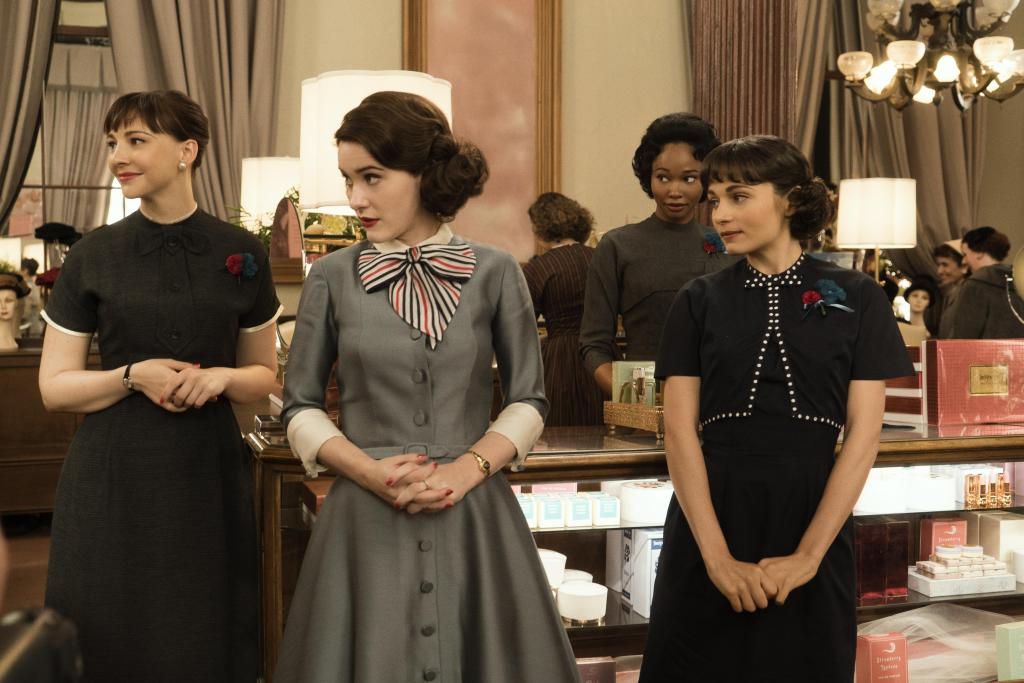
To create a  garment from The Marvellous Mrs. Maisel! I’m excited to say that our February 2019 SAL will be just that!  Once we decided it was time to do this SAL we did a poll to ask if you all wanted to do specific garment or a choice from a selection of options. The winning poll selection is to choose your own garment. The idea of this SAL is to replicate an outfit, though it doesn’t need to be an exact replica, please show us your inspiration from the show and your finished garment.

You will find the sew-a-long over at https://www.facebook.com/groups/killerkitschvintagewips/.

As always, here are some links to both self-draft tutorials or places to purchase patterns to help you along! Please feel free to use your own patterns as well.

The SAL will run from February 1 to 28. As always, if you post on Instagram please tag @killerkitsch13 and use hashtags #killerkitschsewalong #mrsmaisel-a-long.